Deputy Prime Minister Rebukes Government Over Election Rule Changes
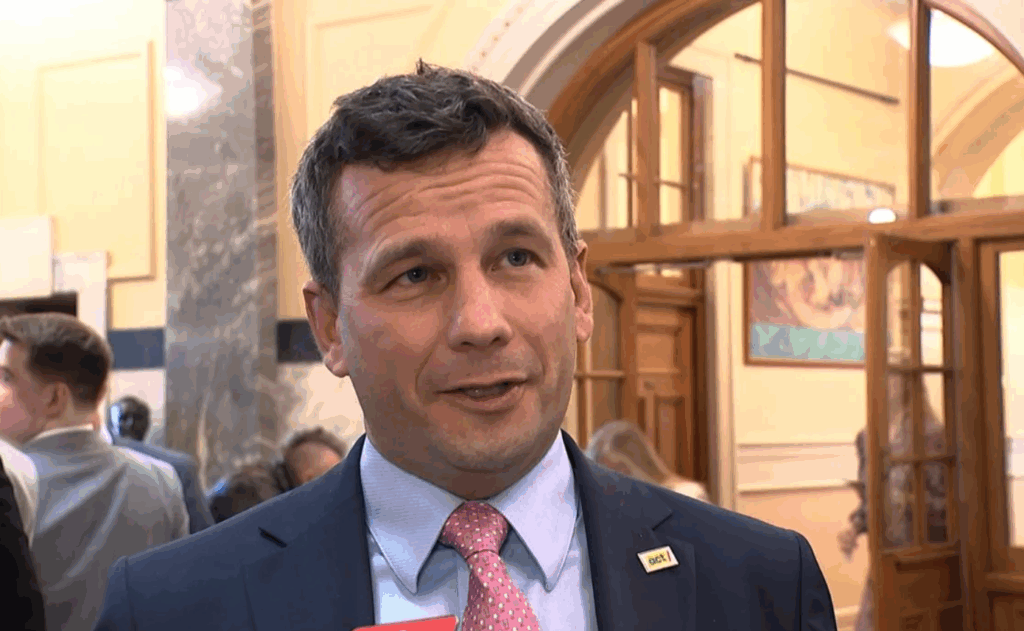
In a dramatic turn at Parliament, New Zealand’s Deputy Prime Minister has issued a blistering rebuke of the government, accusing it of manipulating electoral rules to strengthen its own election prospects. The accusations have sparked heated debate over the integrity of the country’s democratic system, raising questions about transparency and fairness just months ahead of the next nationwide polls.
According to the Deputy Prime Minister, the government has allegedly tweaked key electoral regulations under the radar, making changes that could tilt the playing field in its favour. While specific details of the rule changes are still emerging, critics argue that they include adjustments to campaign financing limits, voter eligibility processes, and administrative deadlines.
“This is nothing less than an attempt to game the system,” the Deputy Prime Minister declared in a fiery address to MPs. “New Zealanders expect fair play, not backroom tricks to secure power. If we allow this precedent, the foundation of our democracy will be undermined.”
Opposition Joins the Chorus
Opposition parties quickly rallied behind the Deputy Prime Minister’s remarks, demanding full disclosure of all recent changes enacted by the Electoral Commission under government direction. Several MPs argued that even the appearance of political interference in electoral administration risks damaging public confidence in democratic institutions.
“Elections must be fought and won on ideas, not on loopholes created by those in office,” said one senior opposition spokesperson.
Government Pushes Back
The government has strongly denied the allegations, insisting that any rule changes were procedural updates designed to streamline election management. A spokesperson for the Prime Minister’s office rejected claims of political opportunism, saying: “The government has acted within the law at all times. These adjustments were made in consultation with relevant agencies to ensure smoother election processes, not to advantage any party.”
However, the timing of the changes has raised eyebrows. Critics note that the adjustments were introduced quietly, without extensive public consultation, and appear to disproportionately affect campaign practices used by opposition groups.
Democracy Under the Microscope
Political analysts suggest the clash could have serious ramifications. If voters come to believe that the election framework itself has been manipulated, turnout could be affected. “Public trust is a fragile thing,” said one political commentator. “Even the suspicion of electoral rigging can delegitimize an entire process. That’s why transparency is vital.”
The Electoral Commission, now caught in the crossfire, has promised to release a full accounting of recent regulatory changes, though it insists all updates were legally compliant. Civil society watchdogs have also called for an independent review to examine whether the government exerted undue influence.
A Test of Integrity
At the heart of the controversy is a deeper question: how resilient is New Zealand’s democratic framework when confronted by political pressure? The Deputy Prime Minister’s highly public rebuke has amplified this question, with commentators describing the move as unprecedented in its directness.
Some insiders suggest the confrontation reflects a growing rift within the governing coalition, where differences over electoral integrity have now spilled into the open.
As the election season intensifies, the issue is unlikely to fade. With public attention now squarely on the government’s handling of electoral rules, New Zealand may be entering one of the most scrutinized campaigns in its modern history.
For voters, the developments serve as a reminder that democracy requires constant vigilance. As one civil society leader put it: “The ballot box belongs to the people, not to politicians who rewrite the rules.”