Lions Roar News Exclusive: Overhaul of ‘Broken’ Holidays Act Announced
By Lions Roar News Staff
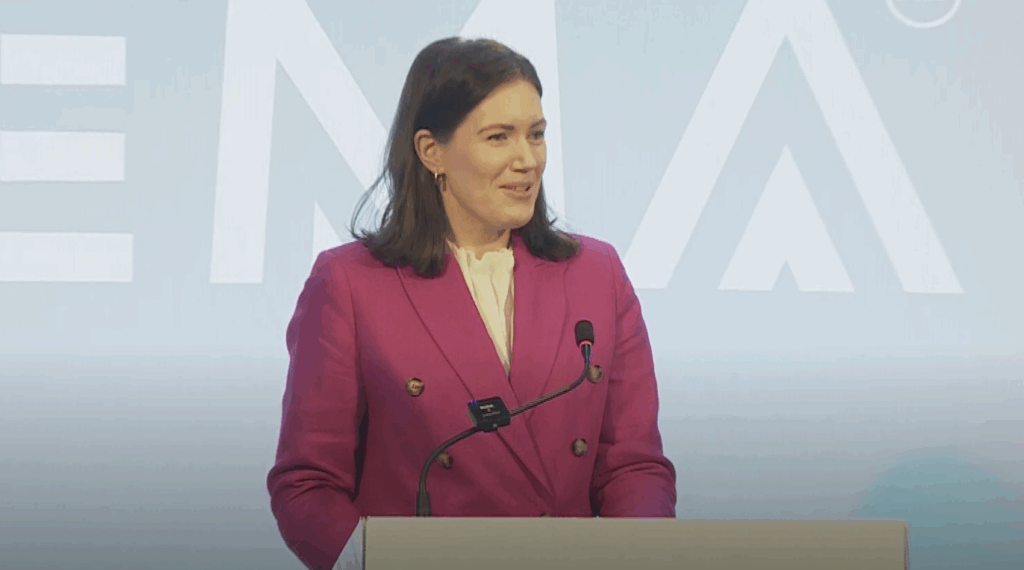
AUCKLAND – In a move set to transform New Zealand’s workplace landscape, Workplace Relations and Safety Minister Brooke van Velden has announced that the government will repeal and replace the long-standing Holidays Act 2003 with a new, simplified Employment Leave Act. The sweeping changes, which will affect millions of workers, aim to fix what the government has called a “broken” and confusing leave system.
The core of the new legislation is a shift from the current lump-sum entitlement model to an hours-based accrual system. Under the new law, both annual and sick leave will be earned in direct proportion to the hours an employee works, with accrual beginning from their very first day on the job. The government states this will provide greater flexibility and clarity for both employees and employers.
A key change affecting part-time employees is the shift to a pro-rata system for sick leave. Unlike the current law which grants a 10-day sick leave entitlement regardless of contracted hours, the new Act will calculate sick leave based on hours worked. While this may reduce the sick leave entitlement for some part-time workers, the Minister has argued it creates a fairer system where entitlements are proportionate to the time actually worked.
For casual employees, the system will be entirely different. Instead of accruing leave, they will receive a 12.5% Leave Compensation Payment for every hour worked, paid directly in each pay period. This change also applies to any additional hours worked by permanent employees above their contracted hours, simplifying complex leave calculations for overtime. Additionally, the new law will allow employees to access both bereavement leave and family violence leave from day one of their employment, removing previous waiting periods.
The government’s rationale behind the overhaul is to create a more straightforward and predictable system, reducing the compliance burden and administrative costs for businesses. Business groups and industry leaders have largely welcomed the announcement, citing years of frustration and complexity under the old Act. The new legislation will also provide benefits for parents returning from parental leave, ensuring they receive their full pay for annual leave, a change from the current system which often resulted in a reduced income.
The new Employment Leave Act is expected to be passed into law with a 24-month implementation period to allow for a smooth transition for businesses, payroll providers, and workers across the country.