Sri Lanka’s Classroom Quandary: Education Reforms Hit Headwinds of Discontent
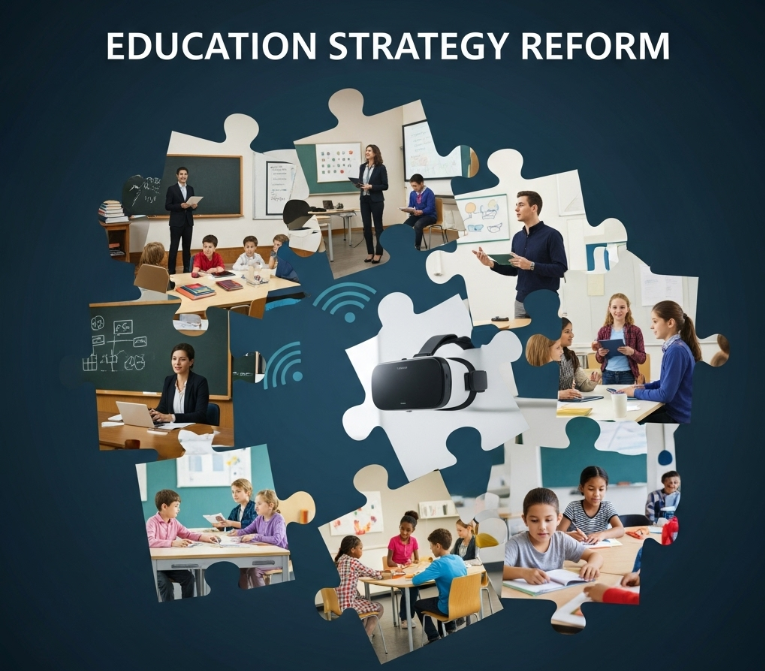
COLOMBO, SL – Sri Lanka’s sweeping education sector reforms, touted as a critical step towards modernizing the nation’s pedagogical landscape, are encountering significant headwinds. As of late July 2025, a growing chorus of opposition from powerful teacher unions and influential parent associations is threatening to derail the ambitious initiative. Their concerns primarily revolve around the rapid pace of implementation, the perceived inadequacy of resource allocation, and the potential for these changes to exacerbate existing educational disparities across the country.
The proposed reforms aim to shift from a heavily exam-oriented system to one that emphasizes critical thinking, problem-solving, and vocational skills. While the long-term goals are widely supported, critics argue that the practical rollout is deeply flawed. Teachers report insufficient training for the new curriculum and a lack of essential digital tools and laboratory facilities, particularly in under-resourced rural schools. This creates a significant gap between the reform’s vision and the reality on the ground, leaving many educators feeling unprepared and overwhelmed.
Parent groups, meanwhile, are expressing anxieties about the implications for their children’s futures. There are widespread fears that the new “pathways” and skill-based assessments, while intended to diversify educational opportunities, could inadvertently create a two-tiered system. This, they worry, would funnel rural and less privileged students into vocational tracks by default, limiting their access to higher academic pursuits that are more readily available to students in better-equipped urban centers.
Furthermore, the financial implications for families are also a point of contention. Longer school days, new material requirements, and the increasing demand for supplementary tuition to navigate the revamped system are placing additional economic burdens on already strained household budgets. This effectively undermines the principle of free, quality education for all, forcing many families to choose between financial hardship and their children’s academic competitiveness.
As the academic year progresses, the government faces a critical challenge in addressing these grievances. A sustainable education reform must be collaborative, well-resourced, and sensitive to the socio-economic realities of all Sri Lankan communities. Without genuine engagement with stakeholders, transparent communication, and a more staggered, equitable implementation strategy, the noble aspirations of the education reforms risk becoming a source of widespread discontent, further destabilizing a nation still finding its footing.