New Passport Design to Prioritize English Above Te Reo Māori
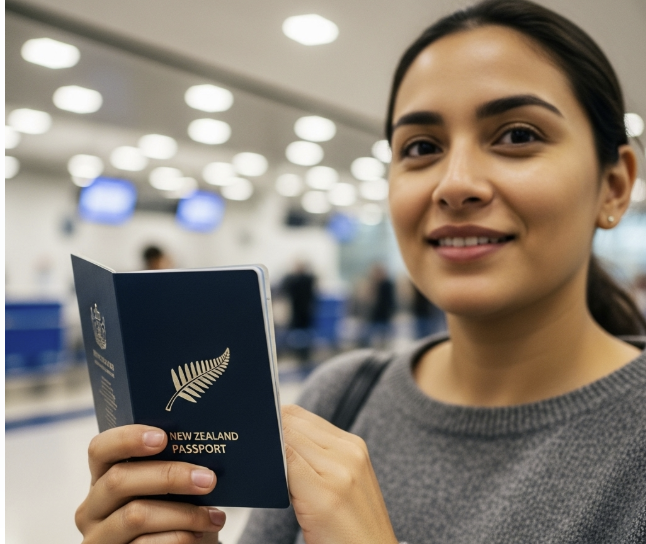
New Zealand’s upcoming passport redesign will feature English text placed prominently above Te Reo Māori, a decision announced today that reflects the government’s commitment to prioritizing English in official documents. This change marks a departure from recent efforts to increase the visibility and status of Te Reo Māori in public life and has already sparked debate among cultural advocates and language proponents. The move underscores a shift in the government’s approach to biculturalism and national identity, emphasizing a “common sense” approach to public services.
The previous passport design, and indeed a broader trend in government communications, had seen Te Reo Māori given equal or primary placement alongside English, in line with efforts to revitalize the indigenous language and acknowledge its official status. The decision to revert to an English-first approach on a document as symbolic as the passport is therefore significant. Internal Affairs Minister Brooke van Velden stated that the change is intended to ensure clarity and ease of use for international travel, where English remains the dominant language.
Supporters of the change argue that for a document used globally, prioritizing English is a practical measure that enhances efficiency and reduces potential confusion for international border control agencies. They may also contend that while Te Reo Māori is an official language, English is the most widely spoken and understood language in New Zealand and internationally. This perspective often aligns with a broader political narrative focused on practicality and efficiency in government operations.
However, the decision is likely to draw criticism from Māori leaders, language experts, and advocates for biculturalism. They will argue that the move diminishes the status of Te Reo Māori, undermines efforts to promote its use, and sends a negative message about New Zealand’s commitment to its indigenous culture and the Treaty of Waitangi. For many, the placement of Te Reo Māori on official documents is not merely a linguistic choice but a powerful symbol of national identity, respect, and the ongoing journey towards a truly bicultural nation.
The debate surrounding the passport design is indicative of larger conversations within New Zealand society about the balance between cultural recognition, national identity, and practical considerations. While the government maintains its commitment to Te Reo Māori in other areas, this specific decision on a high-profile national symbol will undoubtedly be scrutinized as a barometer of its broader cultural policy. The new passports will serve as a tangible representation of this evolving national conversation, visible to both New Zealanders and the world.