Trump Threatens Russia with “Severe” Tariffs, Announces Ukraine Arms Deal
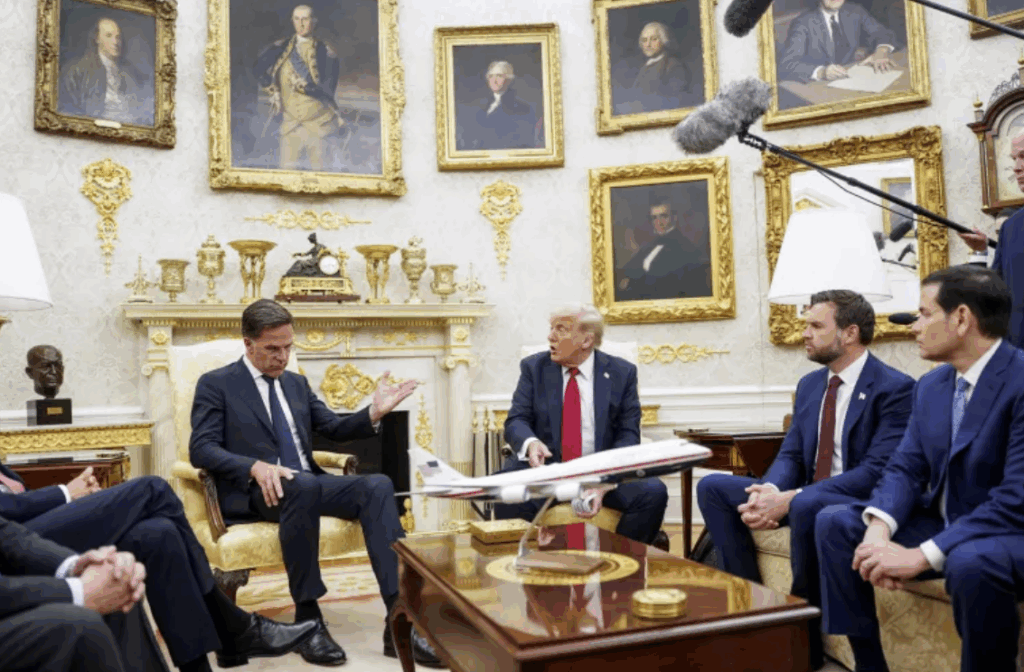
In a significant escalation of international tensions, US President Donald Trump has issued a stark warning to Russia, threatening to impose “severe” tariffs if the ongoing conflict in Ukraine is not brought to a swift resolution. Speaking alongside NATO chief, the US President underscored a hardening stance from Washington, indicating a growing impatience with the protracted hostilities and their broader geopolitical ramifications. This declaration signals a potential new front in the economic pressure campaign against Moscow, moving beyond existing sanctions to a more direct and substantial financial leverage.
Compounding this threat, President Trump simultaneously announced a new arms deal aimed at bolstering Ukraine’s defensive capabilities. The agreement includes the provision of Patriot missile systems, highly advanced air defense units crucial for protecting Ukrainian cities and infrastructure from Russian aerial attacks. The deployment and distribution of these critical armaments will be coordinated through NATO, emphasizing a unified front among Western allies in supporting Ukraine’s sovereignty and territorial integrity. This move represents a tangible commitment to enhancing Ukraine’s military strength, potentially altering the dynamics of the conflict.
The timing of these announcements suggests a concerted effort to exert maximum pressure on Russia. The implicit message is that the US and its allies are prepared to escalate their responses, both economically and militarily, if diplomatic solutions remain elusive and Russian aggression persists. This dual approach of economic deterrence and military aid aims to force a reconsideration of Russia’s strategy in Ukraine, compelling them towards a peaceful resolution or facing increasingly dire consequences.
However, such strong rhetoric and material support carry inherent risks. The imposition of “severe” tariffs could trigger retaliatory measures from Russia, potentially escalating trade disputes and further destabilizing global markets. Similarly, the introduction of advanced weaponry like Patriot missiles, while vital for Ukraine’s defense, could be perceived by Moscow as a direct provocation, raising the specter of further military escalation and a prolonged conflict. The delicate balance of international diplomacy and deterrence is now more critical than ever.
The coming weeks will reveal whether this intensified pressure yields the desired results or if it further entrenches the positions of the warring parties. The international community will be closely watching for Russia’s response to these threats and for any signs of de-escalation, as the stakes in the Ukraine conflict continue to rise with each new development.