Navigating the Complexities of Multiculturalism: Challenges and Pathways to Harmony
Build Your Website in Minutes with One-Click Import – No Coding Hassle!

New Zealand, a nation proudly embracing its multicultural identity, faces evolving challenges as it strives to foster a truly inclusive society. While diversity enriches the nation’s fabric, the complexities of multiculturalism demand continuous dialogue and proactive solutions. Recent trends highlight the need to address emerging issues and strengthen the foundations of harmonious coexistence.

One of the primary challenges lies in bridging cultural divides and fostering genuine understanding between diverse communities. Misunderstandings, stereotypes, and unconscious biases can create barriers to effective communication and collaboration. This can manifest in various forms, from subtle microaggressions to overt discrimination, hindering social cohesion. The rise of online platforms, while facilitating global connectivity, can also amplify misinformation and hate speech, further exacerbating cultural tensions.
Economic disparities and inequalities can also fuel social divisions within a multicultural society. If certain communities feel marginalized or excluded from economic opportunities, it can lead to resentment and distrust. This can manifest in unequal access to education, employment, and housing, creating a sense of unfairness and undermining social mobility. The perception of unfair competition for resources can also lead to inter-group tensions.
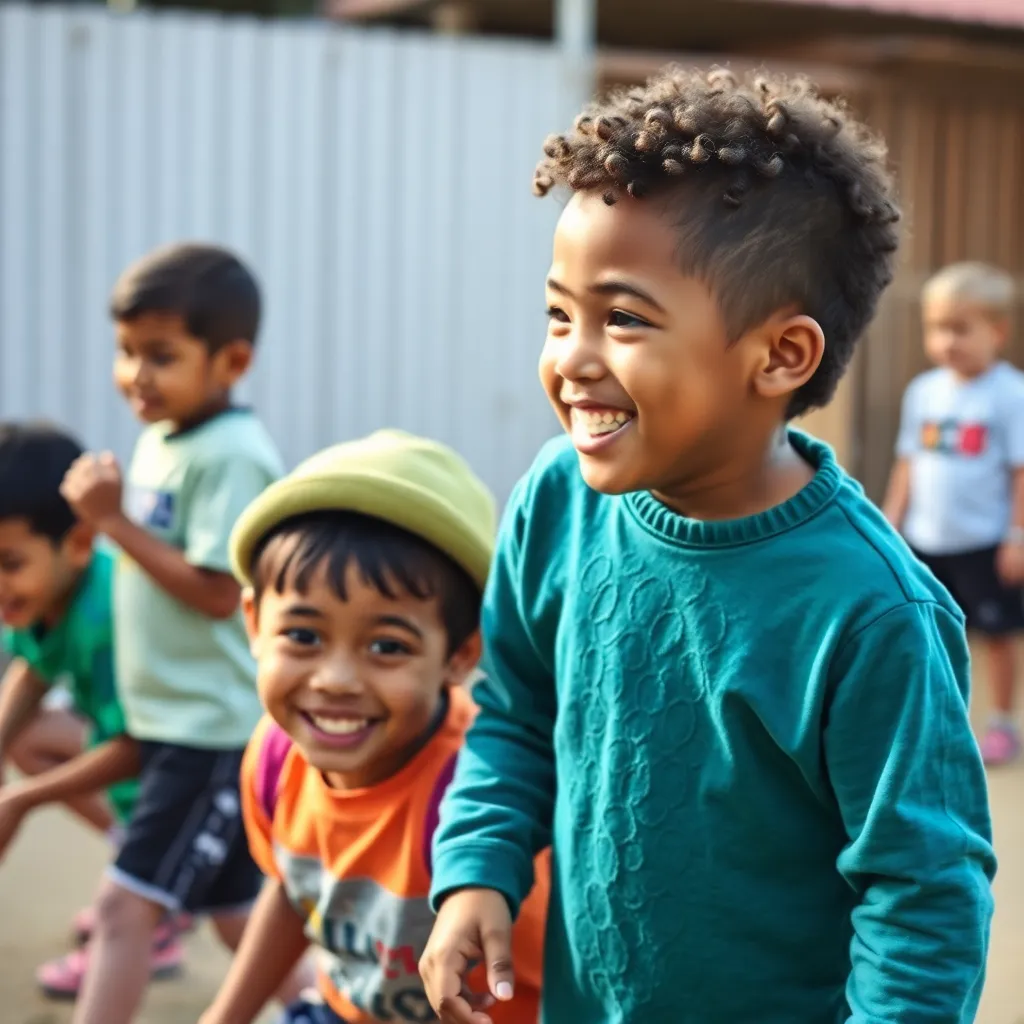
Furthermore, the delicate balance between preserving cultural identity and integrating into the wider society presents a continuous challenge. While it’s essential to respect and celebrate diverse cultural traditions, it is equally important to foster a sense of shared national identity and belonging. This requires finding common ground and promoting values that transcend cultural differences, such as respect for human rights, equality, and the rule of law.
Language barriers can also impede effective communication and integration. Limited access to language resources and support can hinder newcomers’ ability to fully participate in society. This can lead to social isolation, limited employment opportunities, and reduced access to essential services. Bridging this gap requires investment in language education and translation services.

Addressing these challenges necessitates a multi-faceted approach that involves government, community organizations, educational institutions, and individuals. Promoting intercultural dialogue and understanding is crucial. This can be achieved through initiatives such as cultural exchange programs, community workshops, and educational campaigns that challenge stereotypes and promote empathy. Creating safe spaces for open and honest conversations about cultural differences is essential.
Investing in equitable access to education and employment opportunities is vital for reducing economic disparities. This includes implementing policies that promote diversity and inclusion in workplaces and educational institutions. Providing targeted support for marginalized communities can help level the playing field and foster a sense of fairness.
Strengthening social cohesion requires promoting a sense of shared national identity that embraces diversity. This can be achieved through initiatives that celebrate cultural diversity while emphasizing shared values and principles. Promoting civic engagement and participation in community activities can help build bridges between different groups.
Addressing online hate speech and misinformation requires a collaborative effort between government, social media platforms, and civil society organizations. This includes implementing measures to combat online harassment and discrimination, as well as promoting media literacy and critical thinking skills.
Investing in language education and translation services is essential for breaking down communication barriers. This includes providing accessible language classes for newcomers and ensuring that essential services are available in multiple languages.
Ultimately, fostering a harmonious multicultural society requires a commitment to ongoing dialogue, mutual respect, and a willingness to challenge our own biases. By working together, we can build a more inclusive and equitable New Zealand for all.