Troops on the Street? Trump Threatens Insurrection Act as Minneapolis Protests Erupt
By Lions Roar News Legal & Political Desk
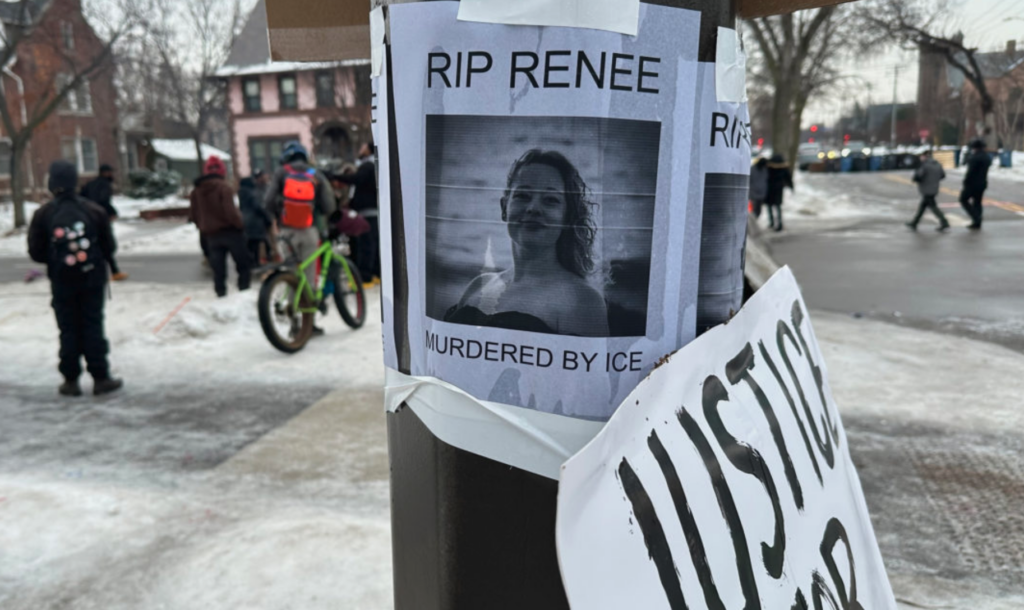
MINNEAPOLIS / WASHINGTON D.C. (Saturday, January 17, 2026) — Tensions in the United States have reached a fever pitch following a second fatal shooting of a civilian by federal agents in Minneapolis on January 14. As clashes between protesters and law enforcement intensify, President Donald Trump has threatened to invoke the Insurrection Act to deploy the U.S. military into Minnesota.
The move has sparked a firestorm of legal debate over the President’s authority to use “boots on the ground” in American cities—a power that is governed by a complex web of laws and over two dozen legal loopholes.
🛡️ The “Posse Comitatus” Barrier
At the heart of the debate is the Posse Comitatus Act of 1878, which generally prohibits the U.S. military from engaging in domestic law enforcement. However, legal experts point out that this “ban” is far from absolute.
- 26 Loopholes: There are at least 26 statutory exemptions to the Posse Comitatus Act.
- The Exemptions: These range from protecting national parks and enforcing health quarantines to the most controversial of all—the Insurrection Act of 1807.
📜 What is the Insurrection Act?
Signed by Thomas Jefferson over 200 years ago, the Insurrection Act allows the President to bypass the Posse Comitatus ban and use the armed forces to “suppress violence” or subdue an “insurrection or rebellion.”
Historical Precedents:
- Civil Rights Era: Presidents Eisenhower and Kennedy used it to enforce school desegregation.
- 1992 LA Riots: President George H.W. Bush invoked it after the Rodney King verdict to restore order in Los Angeles.
- Modern Conflict: President Trump has previously invoked or threatened the act, notably during his first term and again during recent civil unrest.
🏛️ A Constitutional Tug-of-War
The threat to send troops into Minnesota follows a significant legal setback for the White House last month.
In December 2025, the Supreme Court refused to allow the deployment of the National Guard to deal with anti-ICE protests in Illinois. However, Justice Brett Kavanaugh noted in a concurring opinion that the court’s ruling did not address the President’s specific authority under the Insurrection Act—leaving a massive legal window open for Trump to act now.
⚠️ The Risks of “Military Policing”
Legal scholars, including Associate Professor Jennifer Selin, warn that deploying the military into civilian zones is fraught with danger:
- Confusion of Command: During the 1992 LA Riots, military commanders were so confused by the legal overlap that they frequently denied police requests for help.
- Governor vs. President: Usually, governors use the National Guard (who are under state command). By using the Insurrection Act, Trump would take unilateral control, potentially overriding the wishes of Minnesota’s state leadership.