Sri Lanka’s Central Bank Navigates Thin Ice with Latest Rate Cut Amidst Economic Recovery Efforts
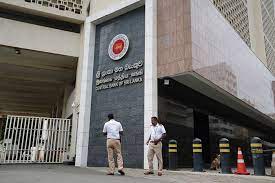
Sri Lanka’s Central Bank has recently undertaken a rate cut, a move that, while perhaps intended to stimulate economic activity, has simultaneously stirred a degree of apprehension among economic analysts. The concern centers on the potential erosion of the buffer that Sri Lanka has managed to build against the risk of another default, particularly as the nation slowly emerges from its most severe economic crisis in decades. While the country has made strides in stabilizing its economy, showing signs of renewed growth and reduced inflation, the delicate balance of monetary policy remains under intense scrutiny.
The central bank’s decision to cut rates comes amidst a backdrop of improving fiscal indicators, including a reduction in budget deficits. Proponents of the rate cut might argue that with greater fiscal discipline, there is more room for monetary easing to encourage private sector lending and investment. However, critics point to the historical context, recalling how past efforts to suppress rates, even when government credit was not expanding, contributed to balance of payments deficits and ultimately led to the 2022 default. The fear is that an artificial suppression of interest rates, particularly when deposit rates were beginning to show an upward trend, could deter foreign exchange inflows and undermine the central bank’s ability to accumulate necessary reserves.
Recent reports from EconomyNext highlight that the central bank’s actions involving the injection of substantial rupee reserves into banks to achieve a marginal rate reduction could be counterproductive. This approach, known as “inflationary open market operations,” risks leading to a loss of foreign exchange reserves, rather than their collection. While the central bank has reported purchasing a reasonable amount of dollars from the interbank market in recent months, the broader concern is that these gains could be jeopardized if domestic rates are kept artificially low, discouraging the collection of sufficient reserves to meet future debt obligations.
The current economic recovery in Sri Lanka is fragile, built on the back of painful reforms and an International Monetary Fund (IMF) bailout program. Adherence to the conditions of this program, including maintaining adequate net international reserves, is paramount. Any policy action that appears to deviate from a prudent, market-driven approach to interest rates could send worrying signals to international creditors and investors, potentially slowing down the much-needed foreign investment and a full return to financial stability.
Therefore, while the central bank’s intention might be to foster economic growth, the latest rate cut places it on a precarious path. The key challenge for Sri Lanka’s economic managers will be to strike a balance between stimulating domestic demand and maintaining the macroeconomic stability crucial for long-term recovery and debt sustainability, without jeopardizing the hard-won gains since the crisis.