Sri Lanka Targets Quality Education with Ambitious Class Size Reduction Plan

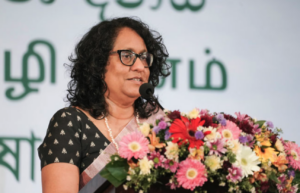
Colombo, Sri Lanka – In a move set to reshape the landscape of national education, the Sri Lanka Education Ministry has unveiled an ambitious plan to significantly reduce class sizes to between 25 and 30 students. This initiative, championed by Prime Minister and Education Minister Dr. Harini Amarasuriya, underscores a strategic shift towards enhancing the quality of learning experiences across the island, acknowledging that current overcrowded classrooms are a significant impediment to effective instruction.
For years, Sri Lankan public schools have grappled with the challenge of large class sizes, often exceeding 50 or even 60 students in a single classroom. This has led to a myriad of issues, including limited individual attention for students, increased workload for teachers, and a general difficulty in implementing modern, interactive teaching methodologies. The Prime Minister’s announcement signals a clear recognition of these long-standing problems and a commitment to address them head-on.
Dr. Amarasuriya emphasized that the goal is not merely to reduce numbers but to create an environment conducive to quality education. Smaller class sizes are widely recognized globally as a key factor in improving student outcomes, fostering better teacher-student relationships, and allowing for more personalized learning approaches. This move is expected to empower teachers to deliver more effective instruction and provide students with the focused support they need to thrive.
Implementing such a large-scale change will undoubtedly present significant challenges. It will require substantial investment in infrastructure, including the construction of new classrooms, and a considerable increase in the recruitment and training of qualified teachers. The Ministry will also need to develop comprehensive strategies for optimal resource allocation and ensure equitable distribution of these resources across all regions of the country, particularly in underserved rural areas.
The success of this initiative will be crucial for Sri Lanka’s long-term human capital development. A well-educated populace is fundamental to economic growth, social progress, and the nation’s ability to navigate future challenges. By prioritizing quality education through reduced class sizes, Sri Lanka is making a vital investment in its future generations and laying the groundwork for a more skilled and competitive workforce.
As the Education Ministry moves forward with this transformative plan, collaboration with educational stakeholders, including teachers, parents, and community leaders, will be paramount. Their collective input and support will be essential in navigating the complexities of implementation and ensuring that the vision of smaller, more effective classrooms becomes a reality for every child in Sri Lanka.