Pope Francis, First Latin American Leader of Catholic Church, Dies at 88
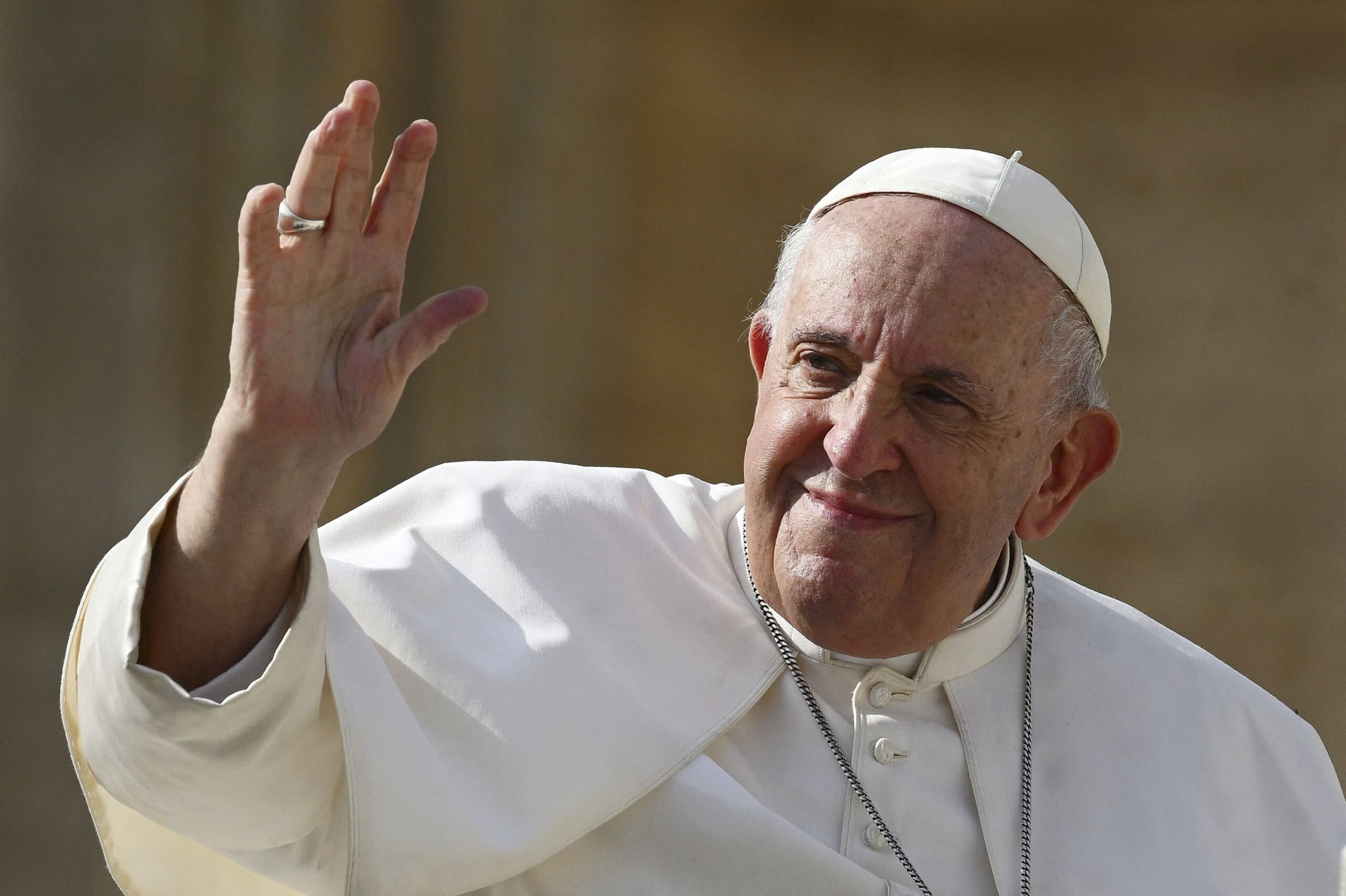
VATICAN CITY – Pope Francis, the 266th Pope and the first from Latin America, has died at the age of 88. His passing on Easter Monday marks the end of a significant era for the Roman Catholic Church, one characterized by a focus on social justice, environmental advocacy, and a more inclusive global outreach.
Born Jorge Mario Bergoglio on December 17, 1936, in Buenos Aires, Argentina, his early life was marked by a strong connection to his working-class roots. Before entering the seminary, he worked as a chemical technician. He joined the Society of Jesus (Jesuits) in 1958 and was ordained a priest in 1969. His rise through the Church hierarchy was steady, becoming Archbishop of Buenos Aires in 1998 and a cardinal in 2001.
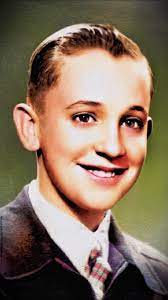
Cardinal Bergoglio’s election as Pope in March 2013 was a historic moment. He chose the name Francis, after St. Francis of Assisi, a figure known for his humility and concern for the poor. This choice signaled the direction of his papacy, which emphasized simplicity, pastoral care, and a focus on those marginalized by society.
Pope Francis’s papacy was significant for several reasons. He became a powerful voice on the world stage, addressing issues such as climate change, poverty, and inequality. His 2015 encyclical Laudato Si’ called for urgent action to protect the environment and combat global warming. He also worked to improve relations with other Christian denominations and other religions.
His emphasis on mercy and compassion resonated with many Catholics and non-Catholics alike. He sought to make the Church a more welcoming place for all, including those who felt excluded. This approach sometimes led to tensions within the Church, with some conservatives criticizing his more progressive stances.
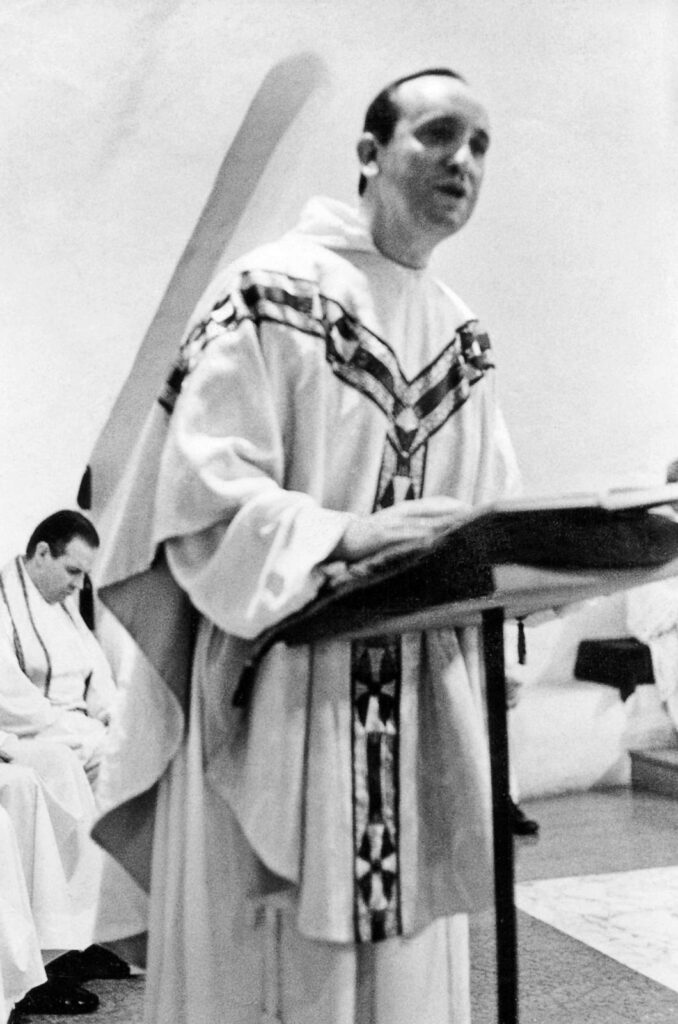
In recent years, Pope Francis faced a number of health challenges. He had a history of respiratory issues, and in 2023, he was hospitalized for a lung infection. He also experienced other health problems that affected his mobility, sometimes requiring the use of a wheelchair or a cane. The Vatican confirmed that the Pope Francis’s death was due to complications from a stroke and heart failure.
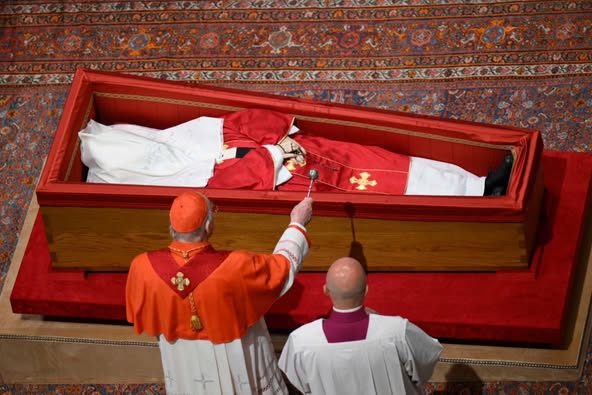
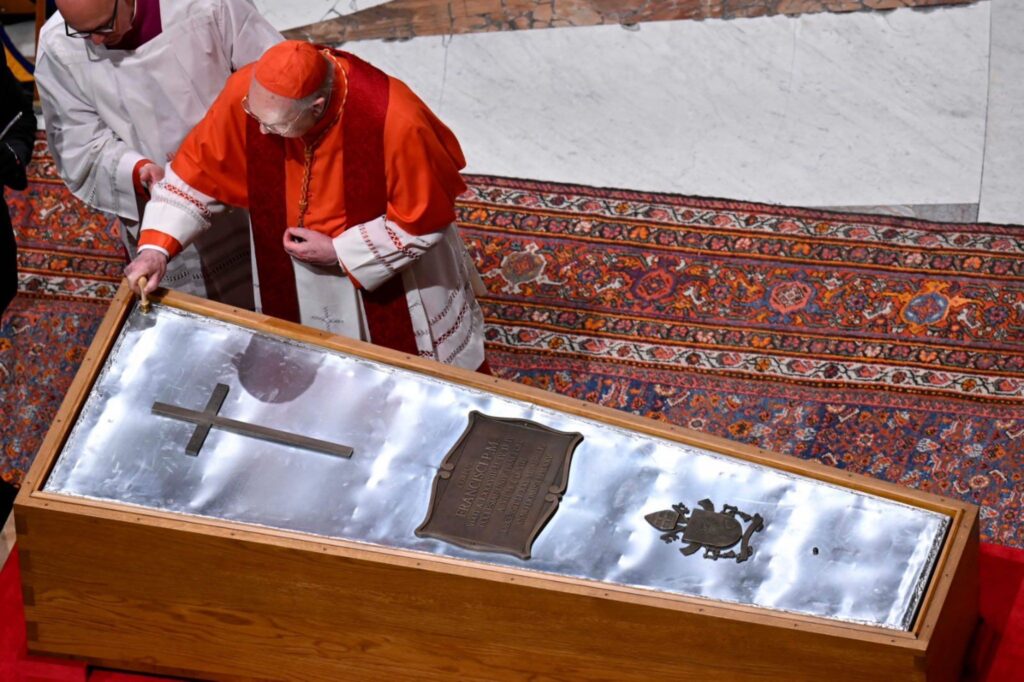
Following his death, the Vatican has announced details regarding the funeral arrangements. In line with his preference for simplicity, the ceremonies are expected to be less elaborate than those of his predecessors. His body will lie in state at St. Peter’s Basilica, allowing the faithful to pay their respects. The funeral mass, to be held in St. Peter’s Square, will be attended by religious leaders and heads of state from around the world. Pope Francis will be buried in the Basilica of St. Mary Major.
The death of a Pope triggers a specific process for the election of his successor. The College of Cardinals, composed of cardinals under the age of 80, will gather in a conclave in the Sistine Chapel. They will hold secret ballots until one candidate receives a two-thirds majority. White smoke rising from the chapel’s chimney signals that a new Pope has been elected.
The identity of the next Pope is always a matter of speculation. Potential candidates, often referred to as papabili, come from around the world. Two notable cardinals frequently mentioned are Cardinal Pietro Parolin, the Vatican’s Secretary of State, and Cardinal Matteo Zuppi, the Archbishop of Bologna.
Cardinal Pietro Parolin, born in Italy in 1956, has extensive diplomatic experience, having served as the Vatican’s nuncio to Venezuela and in key roles within the Secretariat of State. He is known for his diplomatic skills and his commitment to interfaith dialogue.
Cardinal Matteo Zuppi, born in Rome in 1955, is known for his pastoral work and his focus on social justice issues. He has been involved in peace negotiations and is considered a voice for the poor and marginalized.
The election of the new Pope will be a pivotal moment for the Catholic Church, shaping its direction in the years to come. The cardinals will seek a leader who can guide the Church through the challenges and opportunities of the 21st century, building upon the legacy of Pope Francis while addressing the evolving needs of the global Catholic community.