Nuclear Standoff: Trump Rejects Putin’s One-Year Extension on Nuclear Weapon Caps
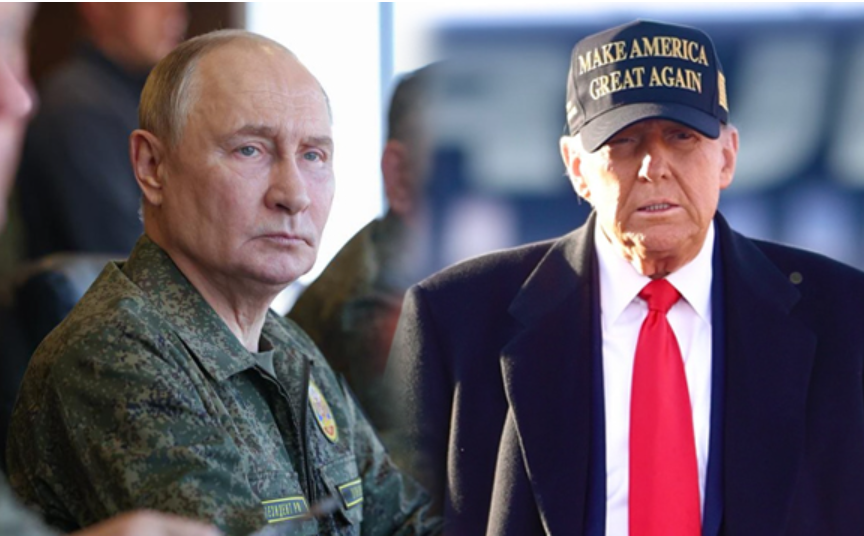
By Lions Roar Aotearoa (Diyatha News New Zealand) Global Security Desk Source Credit: Based on emerging reports from international diplomatic correspondents and global security analysts.
WASHINGTON D.C. — Friday, February 6, 2026 — In a move that has sent shockwaves through the international community, U.S. President Donald Trump has officially rejected a proposal from Russian President Vladimir Putin for a one-year extension of existing caps on nuclear weapons deployments.
The rejection marks a significant escalation in geopolitical tensions and raises urgent questions about the future of global arms control as the current framework for nuclear limitations nears its expiration.
1. The Offer: A Temporary Reprieve
Earlier this week, the Kremlin reached out with a “stop-gap” proposal. President Putin suggested maintaining the current ceilings on the number of deployed strategic nuclear warheads and bombs for an additional 12 months.
The goal, according to Russian diplomats, was to provide a “breathing space” for further negotiations without the immediate threat of a new arms race.
2. The Rejection: Trump Demands a “Real Deal”
President Trump, speaking from the White House, dismissed the one-year extension as a “weak measure” that failed to address broader U.S. concerns.
- The Stance: Trump has consistently signaled his desire for a comprehensive new treaty that includes not only Russia but also China, whose nuclear arsenal is expanding rapidly.
- The Quote: “We aren’t interested in temporary fixes that allow others to catch up while we sit still. We want a real deal, a big deal, or no deal at all,” the President stated.
- Verification Issues: Washington has also expressed dissatisfaction with current verification protocols, demanding more intrusive inspections to ensure compliance.
3. Strategic Implications: A New Arms Race?
Global security experts are warning that without these caps, the world could enter a period of “unrestricted nuclear competition” for the first time in decades.
- Deployment Freedom: Without the treaty in place, both nations would be legally free to increase their stockpiles of intercontinental ballistic missiles (ICBMs) and submarine-launched warheads.
- Global Stability: European allies have expressed deep concern, fearing that the collapse of these caps will lead to increased nuclear posturing on their doorstep.
4. Impact on Aotearoa and the Pacific
As a staunch advocate for a nuclear-free world, New Zealand’s government has yet to issue a formal response, but analysts expect Wellington to lead a call for restraint.
The Pacific region, which has a long and painful history with nuclear testing, remains particularly sensitive to any rhetoric that suggests an increase in nuclear deployments.