Middle East Erupts: Israel and Iran Exchange Direct Strikes, Regional Tensions Soar
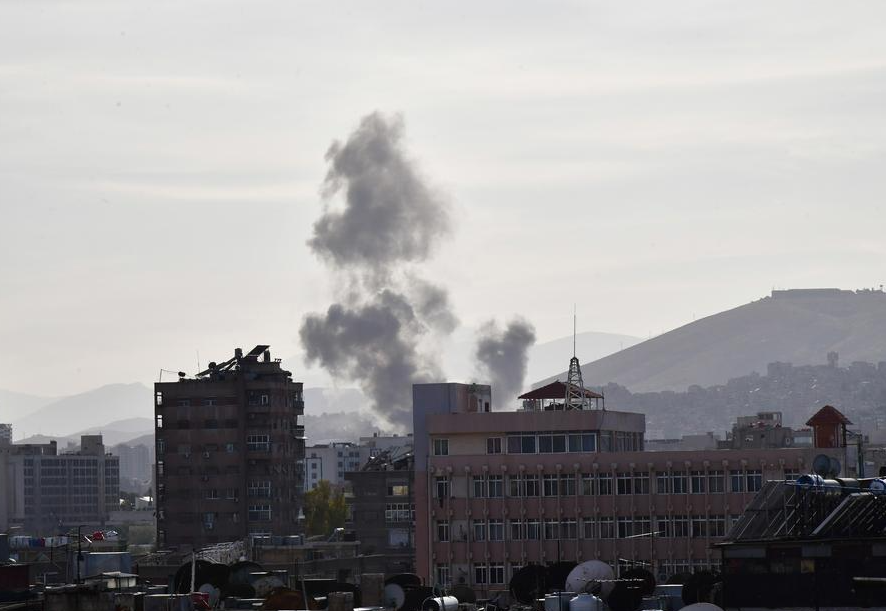
JERUSALEM/TEHRAN – The fragile peace in the Middle East has shattered as Israel and Iran plunged into direct military confrontation this past Friday, marking a dangerous escalation that has sent shockwaves across the globe and raised fears of a wider regional conflict. Both nations have launched waves of missile strikes and airstrikes, resulting in casualties and significant damage, with no immediate signs of de-escalation.
The immediate trigger for this dramatic turn of events was a large-scale Israeli military operation launched early Friday, dubbed “Operation Rising Lion” by Jerusalem. Israeli Prime Minister Benjamin Netanyahu stated the strikes targeted Iran’s nuclear and military infrastructure, including uranium enrichment facilities, ballistic missile production sites, and key command centers. Israel asserted that intelligence indicated Iran’s nuclear program had reached a critical “point of no return,” posing an existential threat that necessitated preemptive action.
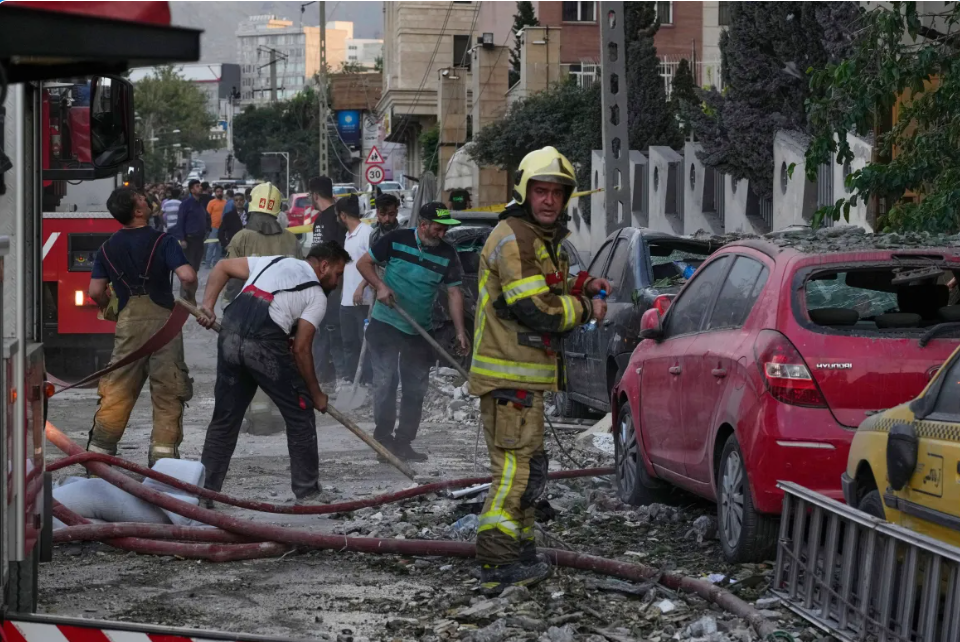
During “Operation Rising Lion,” Israel reportedly deployed warplanes and drones, some allegedly operating from within Iran, hitting an estimated 200 sites. These strikes inflicted considerable damage and, critically, resulted in the deaths of several high-ranking Iranian military leaders and nuclear scientists. Among those confirmed killed were General Hossein Salami, the commander of the Iranian Revolutionary Guard Corps (IRGC), and General Mohammad Bagheri, the chief of staff of the Iranian armed forces. Israel claimed to have significantly degraded Iran’s ballistic missile capabilities and neutralized much of the senior leadership of the Revolutionary Guards’ air force. Satellite images analyzed on Saturday appeared to confirm damage at two Iranian missile bases in Kermanshah and Tabriz.
Iran swiftly condemned the Israeli attacks, with Supreme Leader Ayatollah Ali Khamenei vowing “severe punishment” for what he termed a “criminal act.” Hours after the initial Israeli offensive, Iran launched a retaliatory barrage of missiles and drones towards Israel. Air raid sirens blared across Israeli cities, including Jerusalem and Tel Aviv, as Israel’s robust air defense systems, including the Iron Dome, worked to intercept incoming projectiles.
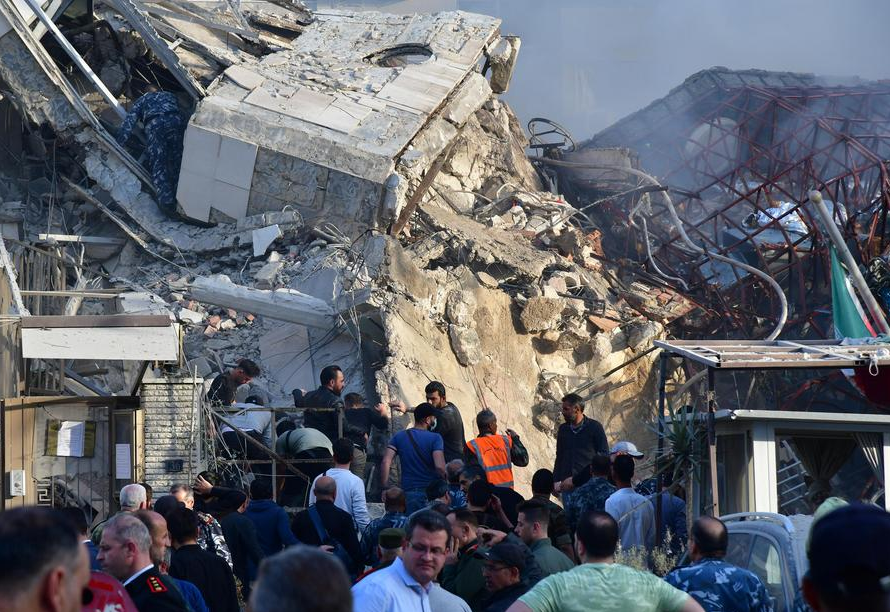
Despite interceptions, some Iranian missiles successfully breached Israel’s defenses. Reports from Israeli paramedic services confirmed at least two fatalities and dozens of injuries in central Israel, where missiles struck residential areas and severely damaged homes. Meanwhile, Iranian state media reported a fire at Tehran’s Mehrabad International Airport and damage to buildings in the capital as Iranian air defenses engaged Israeli attacks. Iran’s UN ambassador stated on Friday that Israel’s initial strikes had killed 78 people and wounded over 320, with the “overwhelming majority” being civilians.
The exchange of fire has continued into Saturday, with Iran launching further waves of missiles and warning that its strikes “will continue” and may target U.S. bases in the region in the coming days, alleging American coordination in the Israeli attacks. Israel, for its part, has confirmed continued overnight strikes on dozens of targets, including air defenses, near Tehran.
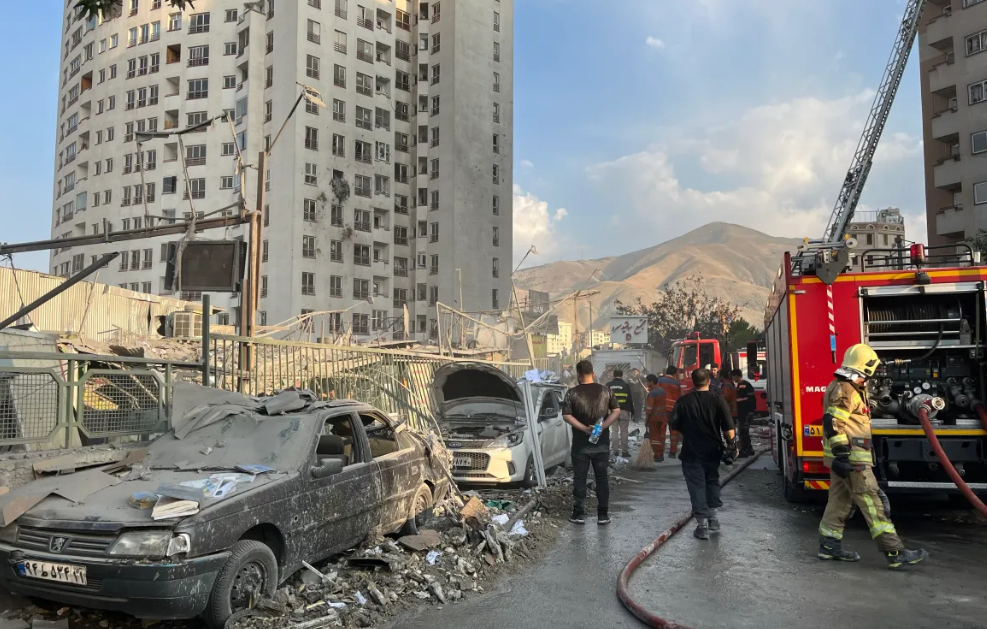
The escalating conflict has prompted widespread international alarm. UN Secretary-General Antonio Guterres called for an immediate halt to the escalation, emphasizing that “peace and diplomacy must prevail.” World leaders, including European Commission President Ursula von der Leyen, have urged maximum restraint, highlighting the grave regional and global consequences of a prolonged conflict. The International Atomic Energy Agency (IAEA) expressed deep concern over attacks on nuclear facilities and called for restraint from all parties.
The crisis has already impacted global markets, with oil prices surging and stock markets declining. As both Israel and Iran show no immediate signs of backing down, fears are mounting that the conflict could draw in the United States and other regional actors, pushing an already volatile Middle East deeper into an unprecedented and potentially devastating war.