Microplastics in Human Tissue: Christchurch Researchers Probe Link to Surging Youth Bowel Cancer
By Lions Roar Aotearoa Health Desk
CHRISTCHURCH, NEW ZEALAND (Monday, January 26, 2026) — Medical researchers in Christchurch are spearheading a world-first study to determine if the microplastics we eat, drink, and breathe are behind a alarming rise in bowel cancer among young New Zealanders.
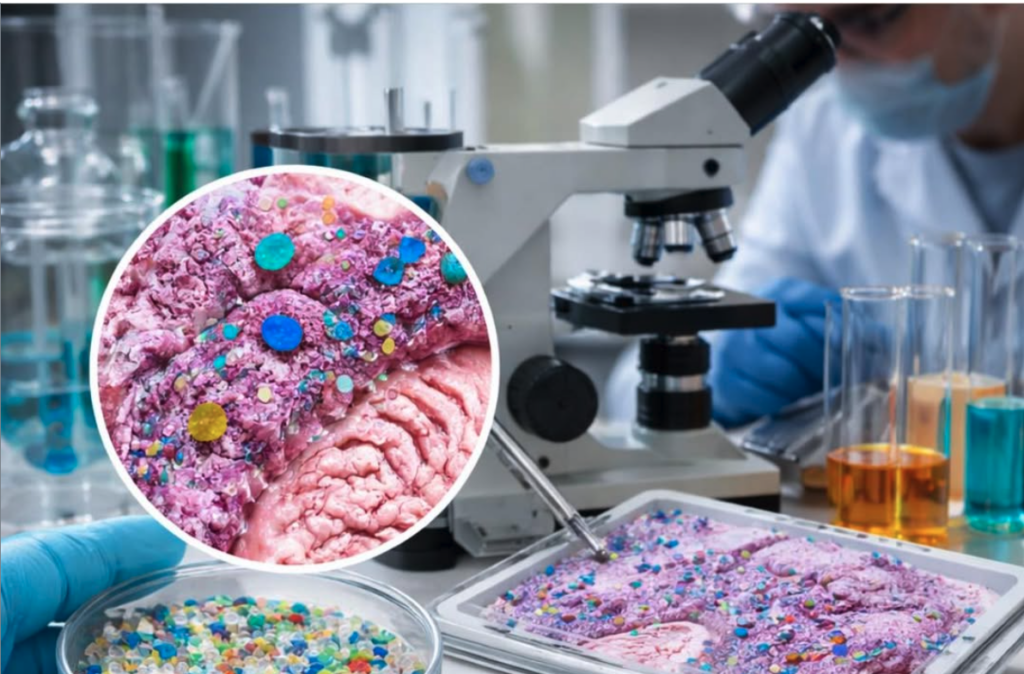
A team from the University of Otago is currently analyzing human biopsies to measure the density of microplastics in the colon, moving beyond animal testing to direct patient research.
🧪 At the Forefront of Global Research
The study involves comparing biopsies from 40 patients undergoing screening colonoscopies to see how microplastic accumulation differs between healthy tissue and precancerous growths.
- Density Analysis: Associate Professor Jacqui Keenan explained that the team is physically recovering and weighing microplastics from tissue samples. “Internationally, I think we are at the front; we’re taking it to actual patient biopsies,” she told 1News.
- The “Condom” Hypothesis: Renowned colorectal surgeon Dr. Frank Frizelle—recently featured on the cover of Time magazine for his work—is overseeing the pilot. He likens the bowel’s mucous lining to a “giant condom” that protects the body. The theory is that plastics damage this barrier, allowing toxins to trigger a cancer-causing “cascade.”
📈 A Growing Crisis for Under-50s
The urgency of the study is driven by a disturbing trend in New Zealand’s health statistics.
- 26% Increase: Bowel cancer rates in New Zealanders under the age of 50 are currently increasing by approximately 26% per decade.
- The Plastic Correlation: Researchers noted that the spike in early-onset bowel cancer since the 1960s almost perfectly correlates with the global explosion in plastic production.
- Toxic Inflammation: A 2022 ESR report previously warned that microplastics could alter the gut biome and cause chronic inflammation, a known precursor to cancer.
📊 Study Overview: Microplastics & The Gut
| Feature | Details |
| Research Lead | University of Otago, Christchurch |
| Key Researchers | Assoc. Prof. Jacqui Keenan & Dr. Frank Frizelle |
| Sample Size | 40 patient biopsies |
| Primary Goal | Weighing microplastics per gram of human tissue |
| Current Trend | Under-50 bowel cancer rising 26% per decade |
🛡️ Official Watch
The Ministry of Health has confirmed it is “keeping watch” on the findings. If a definitive link is found, it could lead to revolutionary changes in food packaging regulations and environmental health policies worldwide.