“Lethal” F-22 Raptor Display at Warbirds Over Wānaka 2026 Sparks Fierce Backlash
By Lions Roar News Investigative Desk
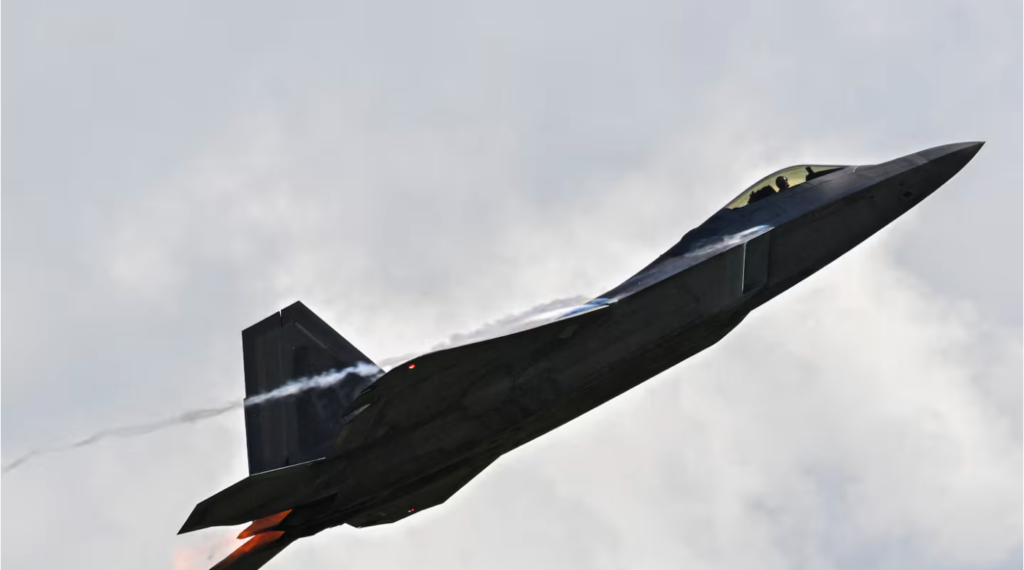
WĀNAKA, NEW ZEALAND (Thursday, January 22, 2026) — The upcoming Warbirds Over Wānaka airshow, scheduled for Easter 2026, has landed in the center of a heated ethical debate. Plans to showcase the United States Air Force (USAF) F-22 Raptor—widely considered the world’s most lethal air-superiority fighter—have drawn sharp condemnation from humanitarian workers and peace advocates who argue the display glorifies modern warfare and civilian casualties.
The controversy highlights a growing tension between aviation enthusiasts and those concerned with the “social license” of military displays amidst a volatile global geopolitical climate.
🩺 A Personal Protest: The Doctors Without Borders Connection
The opposition is spearheaded by Grant Kitto, a former worker for Doctors Without Borders (Médecins Sans Frontières – MSF). Kitto’s objection is deeply personal, rooted in a tragic USAF strike in Kunduz, Afghanistan, in 2015.
- The Kunduz Tragedy: A USAF gunship, manufactured by Lockheed Martin (the same company that builds the F-22), fired 211 shells into an MSF hospital, killing 42 people, including 14 staff.
- The Allegation: Kitto argues that displaying these machines “legitimizes” military force used against civilians. “They’re amazing bits of kit, but they’re amazing for the wrong reasons,” Kitto told reporters. “It’s emboldening and endorsing the US forces.”
- Direct Action: Kitto has contacted principal sponsors, including Christchurch Airport and the Queenstown Lakes District Council (QLDC), urging them to reconsider their support.
🌍 The Geopolitical and Environmental “Toll”
Academic and political voices have joined the fray, questioning the timing of the display given recent international actions by the United States.
1. Geopolitical Context
Richard Jackson, co-director of the National Centre for Peace and Conflict Studies at the University of Otago, argues that while “historic” aircraft commemorate past conflicts, the F-22 represents active, modern aggression. He cited recent US interventions—including threats regarding Greenland, intervention in Venezuela, and military support in the Middle East—as reasons why New Zealand should not “celebrate” such technological prowess.
2. Environmental Impact
Critics have also raised the alarm over the carbon footprint of flying two advanced fighter jets across the Pacific for a display.
“Is it environmentally responsible to be engaging in these sorts of activities at a moment when we’re really facing the climate crisis?” Jackson asked, noting the “immense” environmental toll of these machines.
🏛️ Response from Sponsors and Organizers
Despite the pressure, show organizers and sponsors are standing by the event, emphasizing its economic value and historical significance.
- Christchurch Airport: Stated their role is purely “operational support” for a flagship event that injects $40 million into the local economy and does not constitute a political endorsement.
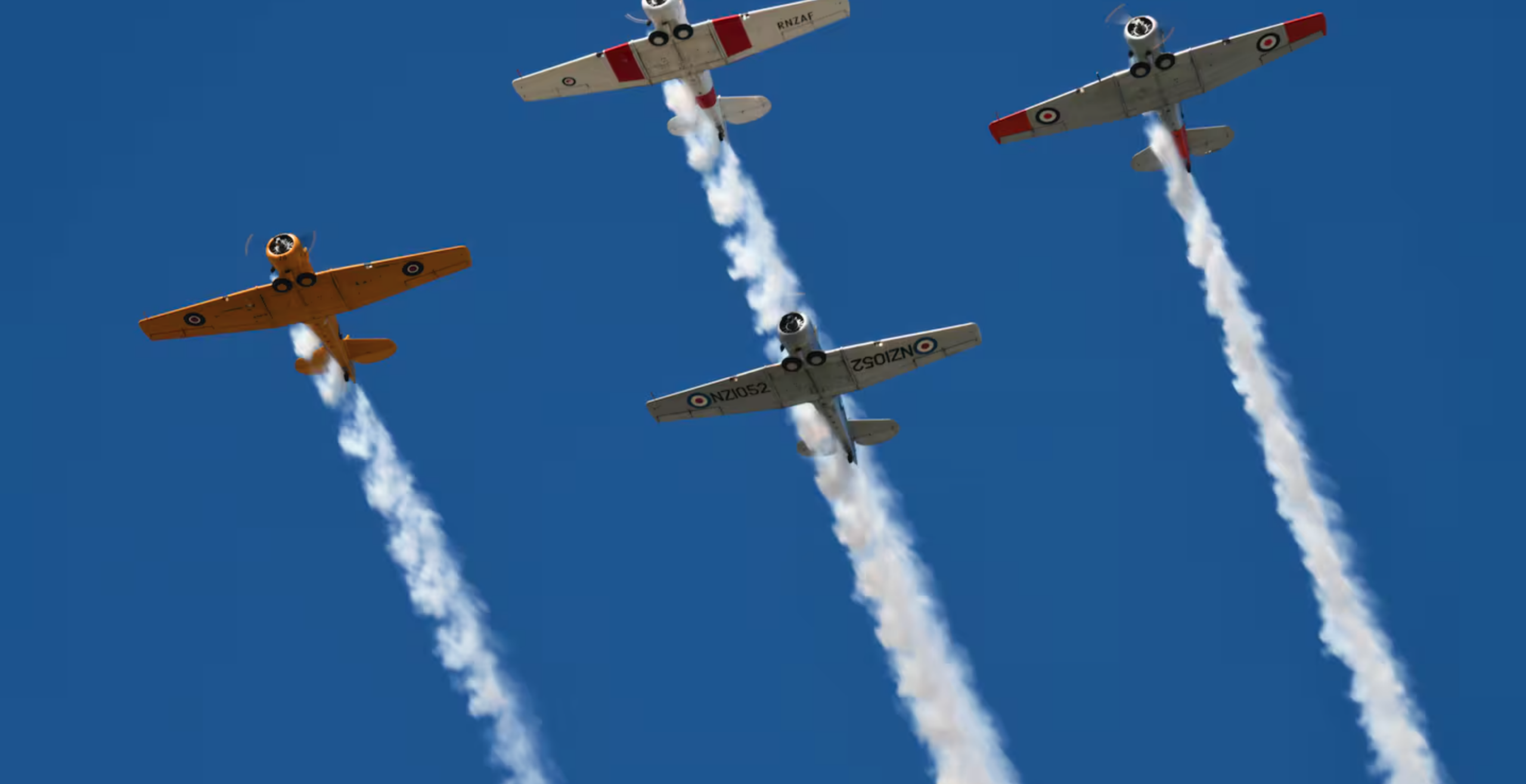
- Warbirds Over Wānaka: General Manager Ed Taylor noted that modern jets like the F-111 and F-16 have featured before. He emphasized the show’s commitment to sustainability through waste reduction and waterway planting projects.
- QLDC Mayor John Glover: While acknowledging concerns, Glover noted that the council’s $25,000 grant was specifically for waste management and that the F-22s were not part of the initial application.
✈️ The USAF Perspective: “Precision and Skill”
The F-22 Raptor Aerial Demonstration Team views the tour as an educational and inspirational tool. Staff Sergeant Michael Bowman stated the team visits schools and hospitals to “increase community awareness” and inspire spectators through the “excitement of aviation.”
📊 Warbirds Over Wānaka: The F-22 Debate at a Glance
| Argument For (Organizers/USAF) | Argument Against (Critics/MSF) |
| $40 Million economic injection to South Island. | Normalization of war and “lethal” technology. |
| Inspiration for careers in aviation and STEM. | Human rights record of Lockheed Martin. |
| Educational community outreach in schools. | Immense carbon emissions during a climate crisis. |
| Commemoration of aviation history and skill. | Insensitivity to victims of US military “mistakes.” |