Global Supply Chain Resilience: Adapting to a Shifting Geopolitical Landscape
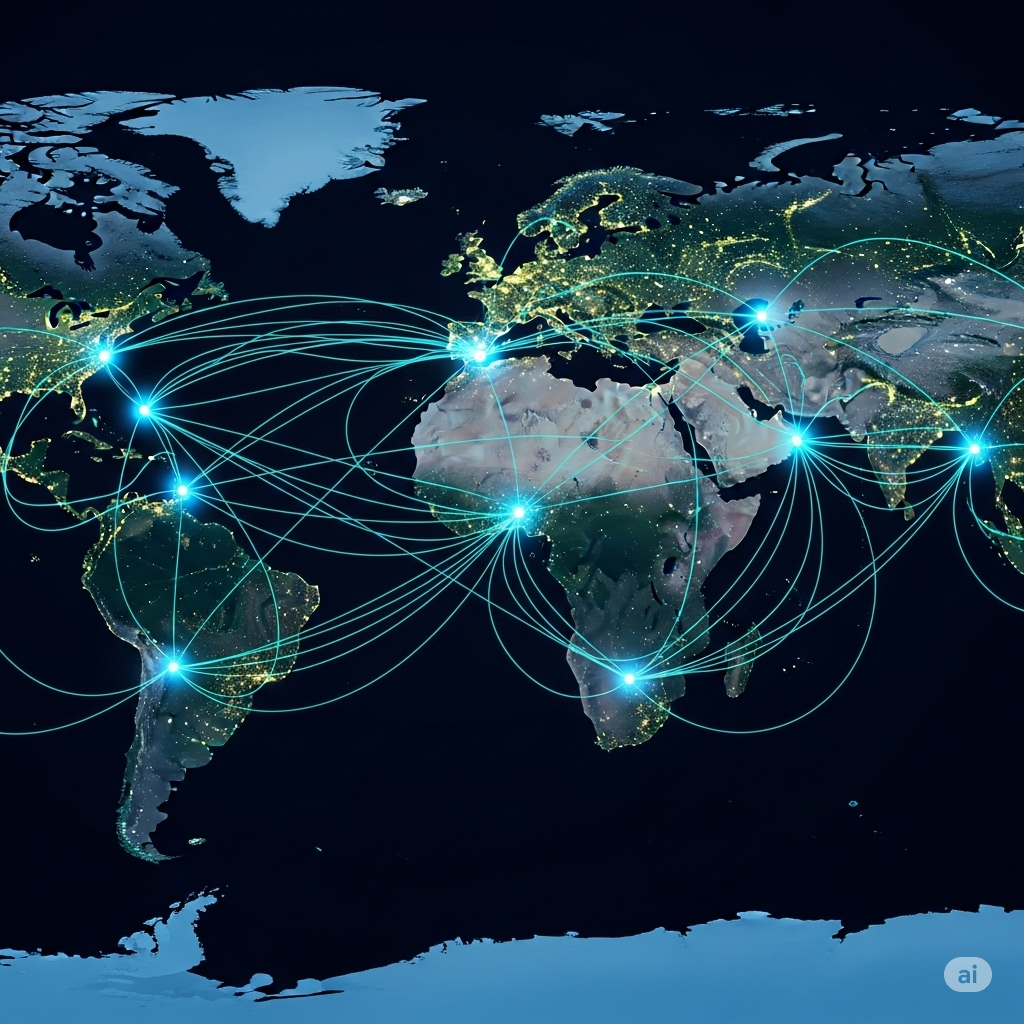
Brussels, Belgium – The inherent fragility of global supply chains, dramatically exposed by recent geopolitical events, trade disputes, and the lingering effects of the pandemic, has prompted a major strategic rethink among leading economies worldwide. Governments and multinational corporations are now actively pursuing comprehensive policies aimed at enhancing supply chain resilience through a combination of diversification, regionalization, and strategic stockpiling. This marks a significant departure from the decades-long pursuit of efficiency at all costs.
The core of this strategic shift involves reducing over-reliance on single sources or specific regions for critical goods and components. Companies are being encouraged, and in some cases incentivized, to diversify their supplier base across multiple countries and continents. This “China Plus One” strategy, for example, sees businesses looking beyond a sole manufacturing hub to mitigate risks associated with geopolitical tensions, natural disasters, or unexpected lockdowns in any one location.
Furthermore, there is a growing trend towards regionalization, where production and sourcing are brought closer to end markets. This “nearshoring” or “friendshoring” approach aims to shorten supply lines, reduce transportation costs and lead times, and enhance responsiveness to local demand fluctuations. Governments are actively supporting this through investment incentives, tax breaks, and infrastructure development to foster domestic and regional manufacturing capabilities in critical sectors like semiconductors, pharmaceuticals, and renewable energy components.
The re-evaluation of just-in-time (JIT) inventory models is another significant aspect. While JIT revolutionized efficiency, its vulnerability to disruptions has become evident. Companies are now building larger buffer stocks of essential materials and finished goods, accepting higher carrying costs in exchange for increased security of supply. This strategic stockpiling is seen as a necessary safeguard against future unforeseen events, ensuring continuity of production and availability of products.
While these changes may lead to some initial cost increases and a re-drawing of the global trade map, the long-term goal is to create more robust, adaptable, and secure supply networks. The emphasis is on building systems that can withstand future shocks, ensuring the consistent availability of essential products and components, and ultimately protecting national economies and consumer welfare from external vulnerabilities. This represents a fundamental recalibration of global economic strategy in response to a more unpredictable world.