Equality in Every Drop: NZ Blood to Remove Blanket Ban on Gay Men by Mid-2026
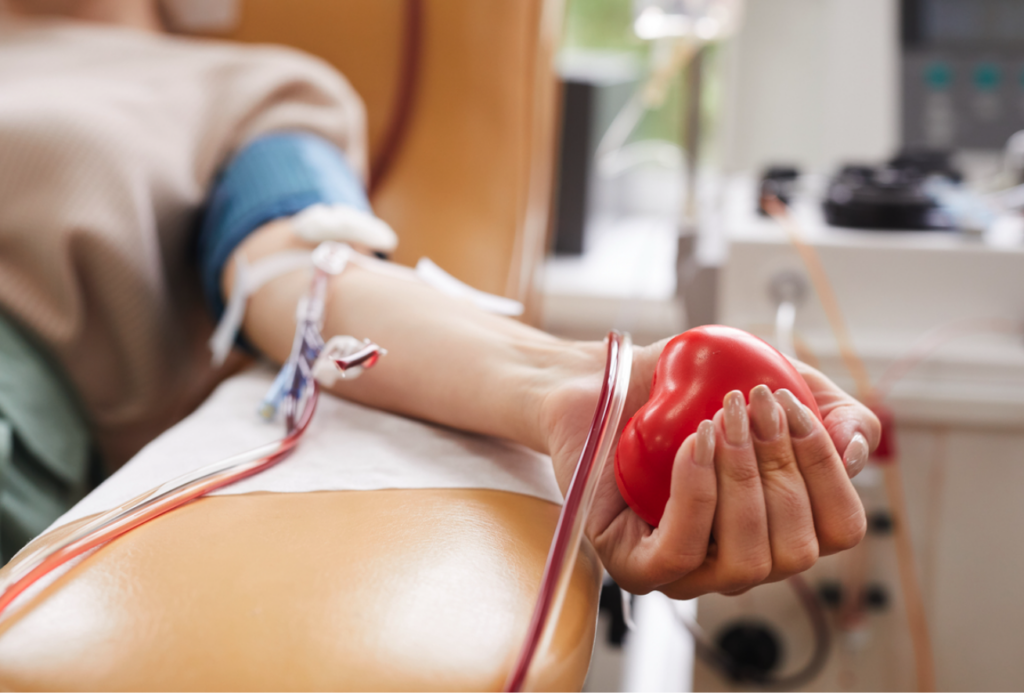
By Lions Roar News National Desk AUCKLAND, NEW ZEALAND (January 4, 2026) — In a landmark shift for New Zealand’s healthcare and human rights landscape, NZ Blood Service has confirmed it is on track to implement individualized donor assessments by the middle of this year. The move will effectively end the controversial three-month blanket ban on men who have sex with men (MSM) donating blood.
While the “green light” from Medsafe was granted nearly a year ago, officials have finally explained why the transition has taken significant time and what donors can expect as the 2026 rollout approaches.
🔍 Individual Risk vs. Blanket Bans
The core of the change lies in moving away from a group-based exclusion to an individualized assessment. Instead of asking a man if he has had sex with another man in the last three months, the new system will assess the specific sexual behaviors of each potential donor, regardless of their gender or the gender of their partner.
Dr. Gavin Cho, spokesperson for NZ Blood, emphasized that the decision is rooted in science:
- International Evidence: NZ Blood has studied similar shifts in the UK and Canada, where individualized assessments showed no increase in HIV transmission risk.
- The SPOTS Study: Local research revealed a massive desire for this change. Shockingly, only 13% of gay or bisexual men currently meet the restrictive three-month abstinence criteria.
🏗️ Why the Wait? The Infrastructure of Safety
Many have questioned why the change has taken nearly two years since the initial commitment. Dr. Cho explained that the delay is due to the complex technical requirements set by pharmaceutical partners like CSL Behring, who process New Zealand’s plasma.
The “To-Do” List before Mid-2026:
- New Testing Equipment: Implementing a specialized new testing protocol for donated blood.
- Staff Training: Retraining hundreds of nurses and collection staff across the country on the new assessment questions.
- Software Updates: Upgrading the digital donor database to handle complex, individualized risk profiles.
- Regulatory Hurdles: Finalizing formal agreements with international processing partners to ensure New Zealand blood products remain globally recognized for safety.
❤️ A Victory for Altruism
For advocacy groups like the Burnett Foundation (formerly the AIDS Foundation), this change is about more than just numbers—it’s about dignity.
“Why should people who live in a monogamous relationship not be able to donate blood?” asked Pete Hanl, the foundation’s policy officer. “Just like anybody else, gay and bisexual men want to be altruistic and do something good for the community.”
While a firm “launch day” has not yet been set, NZ Blood hopes to announce a definitive date early this year, with the goal of welcoming a new wave of donors by June 2026.