Cultural Heritage Preservation Projects: Safeguarding a Rich Past for Future Generations
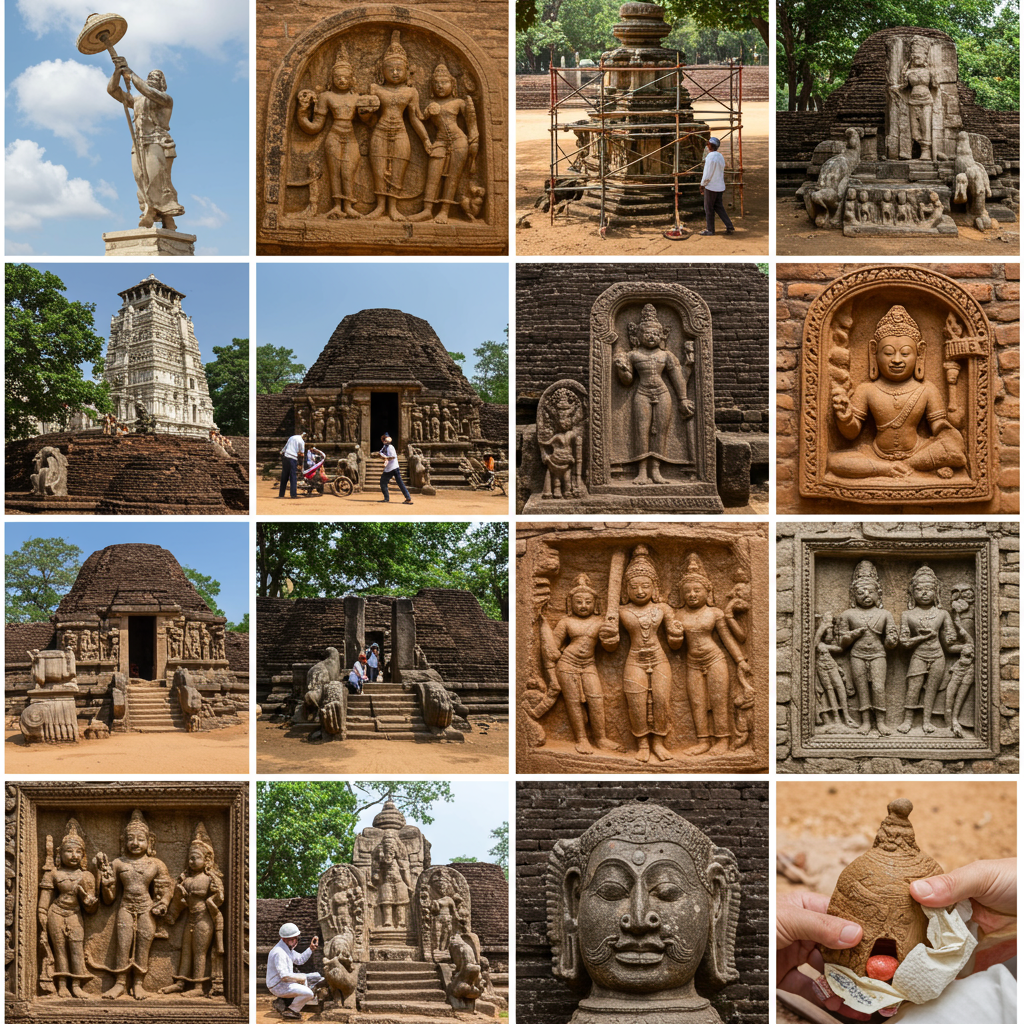
Anuradhapura, Sri Lanka – Sri Lanka, a land steeped in ancient history and vibrant traditions, is embarking on ambitious and meticulously planned projects to preserve its invaluable cultural heritage. These initiatives are a testament to the nation’s commitment to safeguarding its unique identity and ensuring that the legacies of its past endure for future generations, while also leveraging these treasures for cultural tourism.
New funding allocations, both from government budgets and international grants, are being directed towards the restoration of ancient temples, majestic stupas, and other historical sites that dot the island. Many of these sites, such as the ancient cities of Anuradhapura and Polonnaruwa, are already recognized as UNESCO World Heritage sites, underscoring their global significance. The restoration work involves careful archaeological techniques, often employing traditional craftsmanship to maintain authenticity.
Beyond physical restoration, there is a growing and crucial emphasis on digital archiving. Ancient ola leaf manuscripts, intricate traditional arts, and invaluable oral histories are being meticulously cataloged, digitized, and preserved in secure digital repositories. This forward-thinking approach ensures that even if physical artifacts face degradation or natural disasters, their knowledge and cultural significance will remain accessible to scholars and the public worldwide.
Community involvement is a key and vital component of these preservation efforts. Local artisans, skilled craftsmen, and historians are playing an indispensable role, contributing their traditional knowledge and expertise to restoration projects. This not only ensures the authenticity of the work but also empowers local communities, providing employment opportunities and fostering a sense of ownership and pride in their heritage. Educational programs are also being launched to raise awareness among younger generations about the importance of cultural preservation.
These projects serve a dual purpose: they not only protect the nation’s rich past but also aim to significantly boost cultural tourism. By making these sites more accessible and engaging for visitors, Sri Lanka hopes to attract more tourists interested in its unique history and traditions, thereby providing economic benefits to local communities and contributing to national development. The ongoing commitment to these initiatives ensures that Sri Lanka’s profound cultural legacy will continue to inspire and educate for centuries to come.