WHO Membership: A Tool for Sovereignty, Not a Threat, Experts Argue
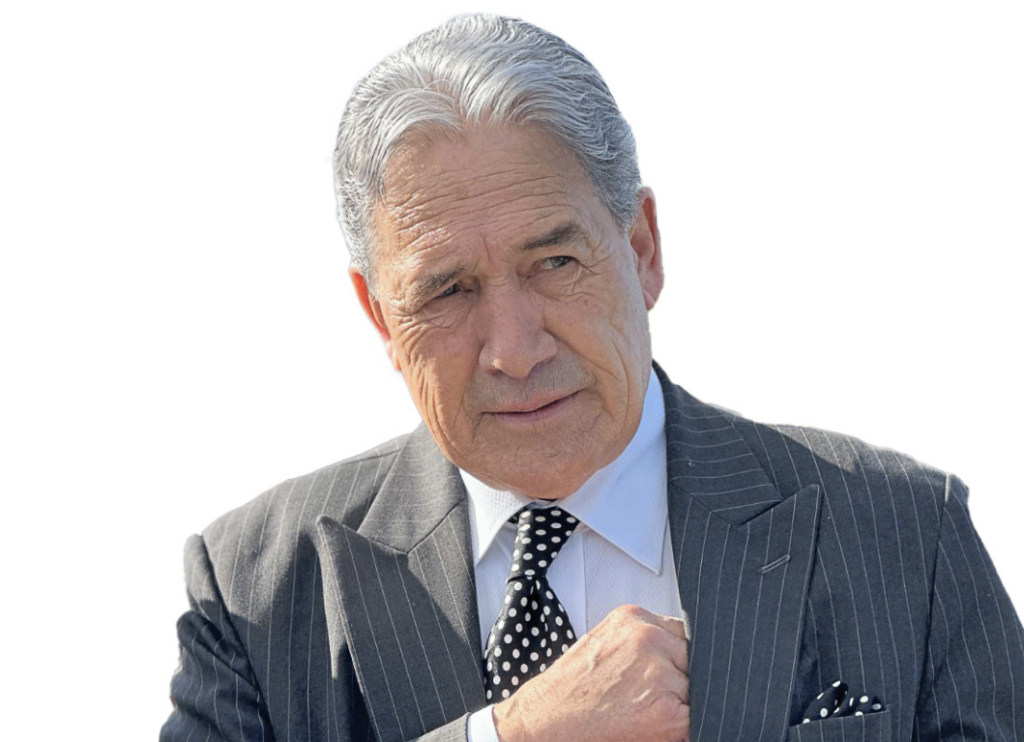
By Lions Roar Aotearoa News Political Bureau
WELLINGTON, NEW ZEALAND — Sunday, February 8, 2026 — A heated debate over New Zealand’s membership in the World Health Organization (WHO) has erupted following a sharp critique by NZ First leader Winston Peters. While Peters has characterized the body as a collection of “unelected globalist bureaucrats,” public health experts are warning that walking away from the organization would be a self-inflicted wound to New Zealand’s national security and independence.
The controversy follows the recent official withdrawal of the United States from the WHO under the Trump administration, a move that has sent ripples through global health diplomacy.
1. The “Sovereignty” Myth
In an opinion piece for RNZ, Helen Petousis-Harris, Associate Professor in Vaccinology at the University of Auckland, argues that the fear of losing sovereignty to the WHO is fundamentally misplaced.
- No Legal Override: The WHO is an advisory body. No WHO instrument or “pandemic treaty” has legal force in New Zealand unless it is specifically passed into law by the New Zealand Parliament in Wellington.
- Evidence from COVID-19: During the pandemic, New Zealand frequently deviated from WHO guidelines—often adopting stricter measures, such as its total elimination strategy. Petousis-Harris argues this was an exercise of sovereignty, not a loss of it.
2. The Hidden Benefits of Membership
Petousis-Harris highlights that the WHO is often most effective when it is invisible. Small nations like New Zealand rely on the organization for services they cannot replicate alone:
- Global Surveillance: Access to the Global Influenza Surveillance and Response System, which tracks viral strains and informs Medsafe decisions on annual vaccines.
- Pacific Coordination: The WHO provides the framework that allows New Zealand to lead health responses across the Pacific Islands legitimately and coherently.
- Reference Standards: Without the WHO’s scientific baselines for blood products and diagnostics, New Zealand would have to duplicate global research at an extraordinary cost.
3. The Political Context: Peters vs. Multilateralism
Winston Peters, speaking as leader of NZ First rather than in his official capacity as Foreign Minister, echoed “America First” rhetoric by questioning New Zealand’s continued funding.
- The “Blank Cheque” Argument: Peters has previously stated that “backing multilateralism doesn’t mean writing blank cheques,” positioning his skepticism as a demand for greater institutional accountability.
- Geopolitical Void: Critics of Peters’ stance, including University of Otago’s Nick Wilson, warn that a US and NZ withdrawal would simply leave a power vacuum for nations like China and Russia to dictate global health priorities.
4. What’s at Stake?
The core of the argument from the scientific community is that sovereignty is not the ability to ignore global reality, but the ability to choose how to engage with it.
“Walking away would not make New Zealand more independent, but rather less effective at detecting, preparing for and responding to health threats.” — Helen Petousis-Harris.