Sri Lanka Rice Crisis: SJB Accuses Government of “Fearing” Rice Mafia as Prices Soar
By Lions Roar Aotearoa News Political Bureau
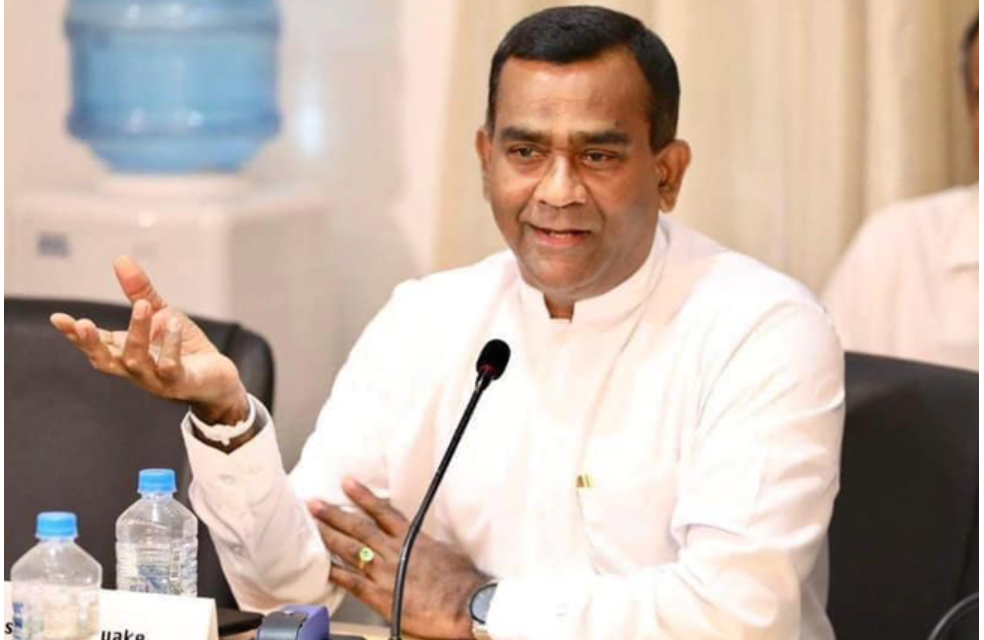
COLOMBO, SRI LANKA — Saturday, February 7, 2026 — Samagi Jana Balawegaya (SJB) National Organizer and former MP Tissa Attanayake has launched a scathing attack on the government, alleging that the administration has surrendered to a powerful “rice mafia” while ordinary citizens struggle with skyrocketing prices.
Despite official price controls, Attanayake claims the government’s inability to enforce these rates has left the market in a state of chaos, particularly in the wake of agricultural disruptions caused by Cyclone Ditwah.
1. A Failed Price Control System
The SJB organizer pointed out a glaring gap between official government gazettes and reality on the ground.
- Unavailable Rates: While the Consumer Affairs Authority (CAA) has set maximum retail prices—for instance, Nadu rice at Rs. 220–230 and Keeri Samba at Rs. 260—Attanayake asserts these prices are non-existent in the open market.
- The “Mafia” Influence: He accused large-scale rice millers and businessmen of manipulating the supply chain, stating that the government appears “frightened” to take decisive action against them.
2. Potential Corruption in Food Imports
As the government looks to import rice to cover domestic shortages, the SJB has raised red flags regarding transparency.
- Corruption Warnings: Attanayake warned that emergency imports could become a breeding ground for large-scale fraud and corruption.
- Domestic Neglect: He criticized the government for failing to implement a proper paddy purchasing program, leaving local farmers at the mercy of private buyers who offer sub-standard prices.
3. Farmers Left in the Lurch After Cyclone Ditwah
The agricultural sector is currently reeling from the impact of Cyclone Ditwah, which damaged over 100,000 hectares of paddy (approximately 20% of the Maha season crop).
- Broken Promises: Attanayake claimed that despite government promises of compensation for destroyed crops, local farmers have yet to receive any substantial relief.
- Livelihood Crisis: “The government has no plan to buy paddy at a fair price or to support the farmers who lost everything in the disaster,” he told reporters, emphasizing that this neglect is driving the rural economy into a deeper crisis.