“A Dream Unfulfilled”: Cardinal Malcolm Ranjith Delivers Scathing Critique on Sri Lanka’s 78th Independence Day
By Lions Roar Aotearoa Religious Affairs Bureau
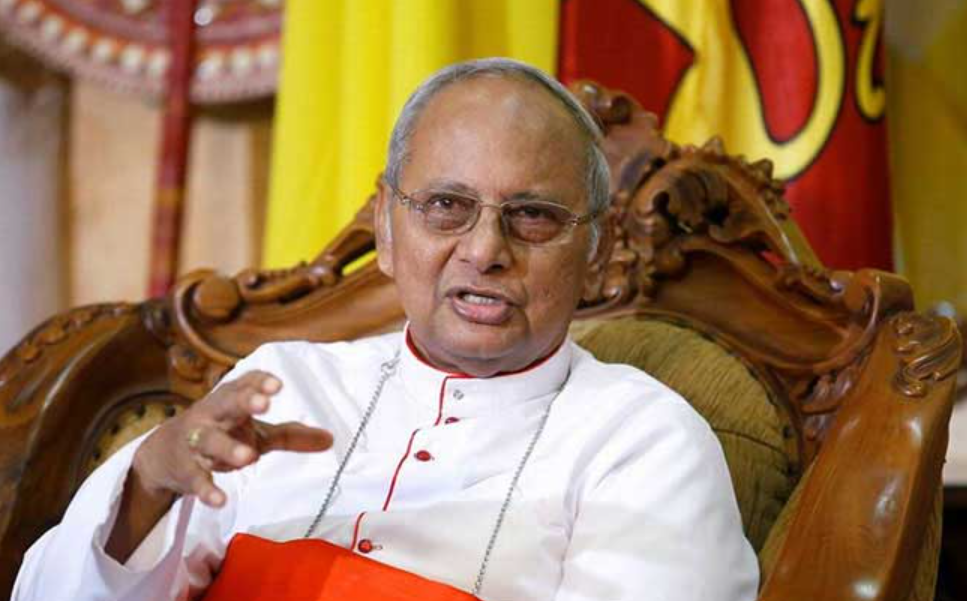
COLOMBO, SRI LANKA — Wednesday, February 4, 2026 — As Sri Lanka marks 78 years of independence, the Archbishop of Colombo, His Eminence Malcolm Cardinal Ranjith, has issued a poignant reminder that the nation has yet to achieve the “true dream of freedom.”
Speaking at a special Independence Day service held this morning at All Saints’ Church in Borella, the Cardinal offered a sobering reflection on the country’s progress, focusing heavily on the erosion of spiritual and social values.
1. 78 Years and the Missing “True Freedom”
Cardinal Ranjith noted that while nearly eight decades have passed since the end of colonial rule, the spiritual, social, and economic progress envisioned by the nation’s founders remains elusive.
“Despite our efforts over these 78 years to reach spiritual, social, and economic milestones, we have still failed to make the dream of true independence a reality,” His Eminence stated. He argued that independence is not merely a political status but a state of holistic well-being for all citizens—a state he believes has not yet been achieved.
2. Protecting Religious Heritage and “Dharmic” Values
A central theme of the Cardinal’s sermon was the preservation of Sri Lanka’s religious identity. He expressed deep concern over actions that dim the religious practices of citizens or act in opposition to the country’s spiritual heritage.
“Diminishing the religious conduct of the citizens or acting against that heritage, and working in a way that weakens righteousness (dharmic nature), is something that absolutely does not suit our country,” he remarked.
3. Rising Tension: The Criticism of Religious Leadership
In his most direct political commentary, the Cardinal condemned recent trends where government officials and ministers have allegedly marginalized or insulted religious leaders.
He pointed to a growing sentiment where those in power treat Buddhist monks and other religious leaders as if they have “no right to speak or act” on common national issues.
“It is observed that the response of those governing the country towards Buddhist monks and other religious leaders is sharpening into a view that they have no right to say or do anything regarding the common problems of the country. Furthermore, we must condemn the statements made even by government ministers that insult and belittle religious leadership.”
4. A Call for Respectful Governance
The Cardinal concluded by urging a return to a governance style that respects the moral authority of religious institutions. He suggested that for Sri Lanka to truly “build” itself (echoing the national theme of ‘Build Sri Lanka’), the state must value the ethical guidance provided by its diverse religious traditions rather than viewing them as obstacles to political agendas.