The Fall of the Heir: Saif al-Islam Gaddafi Assassinated in Elite Commando Raid
By Lions Roar Aotearoa International Bureau
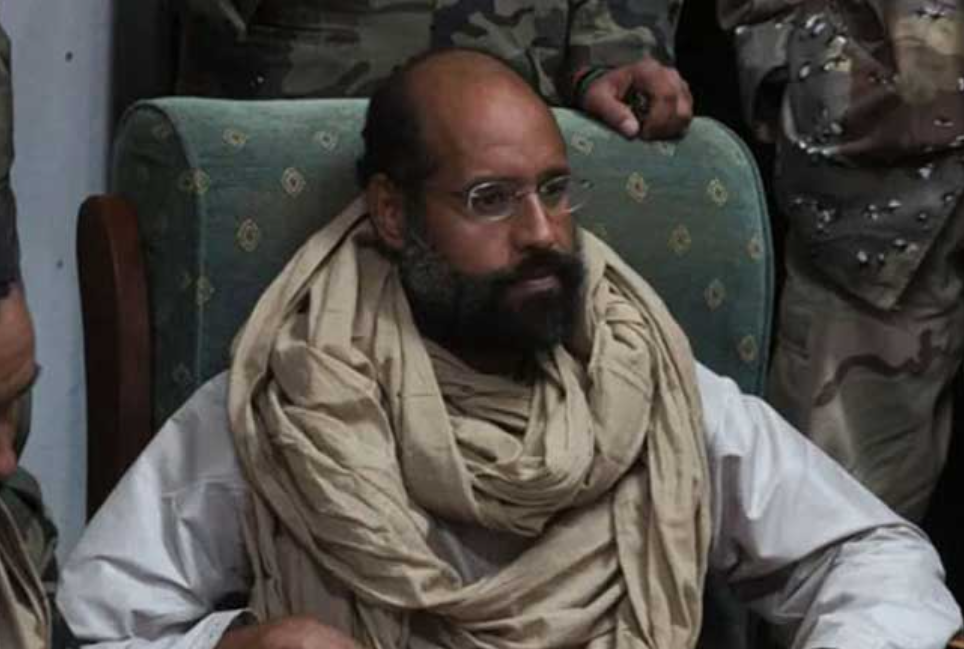
TRIPOLI, LIBYA — Wednesday, February 4, 2026 — Saif al-Islam Gaddafi, the second son of the late Libyan leader Muammar Gaddafi and once the heir apparent to his father’s regime, has been killed in a sophisticated assassination.
The Libyan News Agency confirmed the death on Tuesday, February 3, marking a violent end for a man who spent over a decade navigating the dangerous waters of post-revolutionary Libya.
1. The Assassination: A High-Stakes Strike
Reports indicate that the 53-year-old was targeted in a precision strike at his residence in the city of Zintan. A specialized hit squad, reportedly consisting of four highly trained commandos, carried out the operation.
- The Operation: The tactical nature of the raid has led many to believe it was a professional military-style execution. No group has yet stepped forward to claim responsibility.
- Conflicting Reports: Adding a layer of mystery, Saif al-Islam’s sister told a Libyan broadcaster that her brother was actually killed near the volatile border between Libya and Algeria, rather than in Zintan.
2. A Legacy of Diplomacy and Exile
Born in 1972, Saif al-Islam was long groomed to be the modern face of the Gaddafi dynasty.
- The Bridge to the West: From 2000 until the 2011 uprising, he was the primary architect of Libya’s mended relations with Western nations, often negotiating high-level diplomatic and trade deals.
- The Reformer vs. The Regime: While he presented himself as a Western-educated reformer, he remained a staunch defender of his father’s rule during the Arab Spring.
- The Fugitive: Since the fall of Tripoli in 2011, he has lived a shadow existence—alternating between being a prisoner of Zintan militias and a political ghost attempting a comeback.
3. Libya Shaken: Fear of Reprisals
The death of Saif al-Islam removes a major, albeit polarizing, figure from the Libyan political landscape. He had recently been attempting to re-enter the political fray, harboring ambitions for the presidency—a move that garnered support from Gaddafi-era loyalists but drew death threats from rival factions.
Lions Roar Aotearoa analysts suggest that this assassination could destabilize the fragile peace between Libya’s competing governments, potentially sparking revenge attacks by loyalist militias.
4. An Unanswered Question
While the Libyan government has launched an investigation into the Zintan security breach, the identity of the “commando team” remains unknown. Whether this was the work of domestic rivals or a covert foreign operation remains the biggest question in Tripoli today.