Natural “Blackwater” Event Caused Wairoa Eel Massacre, Lab Results Confirm
By Lions Roar Environmental Desk
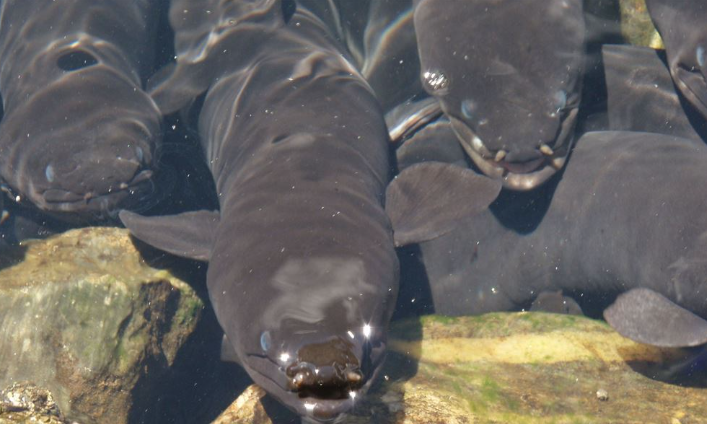
WAIATĀI VALLEY, WAIROA (Tuesday, February 3, 2026) — Following an investigation that gripped the Wairoa community, the Hawke’s Bay Regional Council (HBRC) has confirmed that the sudden death of hundreds of eels (tuna) in the Waiatāi Stream last month was not caused by pollution, but by a catastrophic natural phenomenon known as a “blackwater event.”
Lab results released today have ruled out diesel or petroleum poisoning, despite reports of a dark film and strong odor at the scene on January 16. Instead, the investigation points to a lethal combination of extreme weather conditions that effectively “suffocated” the aquatic ecosystem.
🧪 The Verdict: 1.9% Oxygen Levels
Water samples collected from several locations in the Waiatāi and Ikanui streams were sent to accredited laboratories for extensive toxicological testing. The findings were stark:
- The Cause: A “blackwater event” triggered when heavy rainfall washed massive amounts of organic debris—leaves, grass, and wetland matter—into the stream.
- The Deoxygenation: As this organic material decomposed rapidly in the water, it consumed almost all available oxygen.
- The Dead Zone: Oxygen levels in the stream plummeted to just 1.9%. For context, a healthy stream typically maintains oxygen levels above 80%.
- Species Loss: The deprivation was so severe that even breeding tuna, some estimated to be 40 to 50 years old, could not survive.
“The findings indicate the eel deaths were caused by a natural blackwater event, made worse by the combination of extreme heat and heavy rainfall,” said HBRC Chair Sophie Siers. “The entire aquatic system was under severe stress.”
🚜 “Time to Get Moving”: Community Calls for Action
While the lab results provide an answer, local residents and mana whenua are shifting their focus from “why” to “how” they can prevent a repeat of the tragedy.
Darren Hill, the farmer who discovered the dead eels, and his daughter Kate Eaglesome, say the news is a bittersweet relief. “It’s good to finally have an answer,” Eaglesome said, noting that while some baby eels have been spotted recently, the stream remains eerily quiet. “Usually, the stream would be teeming with them.”
The community is now calling for a landscape-scale restoration plan:
- Native Planting: Increasing shade to lower water temperatures.
- Wetland Restoration: Re-establishing natural buffers to filter runoff.
- Fish Passages: Ensuring tuna have open routes to escape stressed environments.
🧬 The Challenge of Forensic Testing
The investigation faced hurdles from the start. A specimen sent to Massey University for a post-mortem was found to be too decomposed for specific organ testing. Associate Professor Stuart Hunter noted that in cases of low oxygen or water toxicity, post-mortems are often less conclusive than direct water testing, which ultimately provided the breakthrough in this case.
HBRC has committed to working alongside landowners and Wairoa Awa Mauri Restoration to build long-term resilience for the stream.