Sri Lanka Education Reform: Prime Minister Pledges No Child Will Be Left Behind Due to Poverty
By Lions Roar Aotearoa National Desk
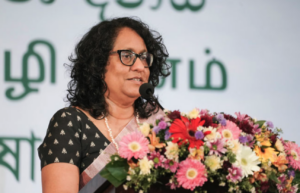
COLOMBO, SRI LANKA (Monday, February 2, 2026) — In a major policy address targeting the future of the nation’s workforce, Prime Minister Dr. Harini Amarasuriya has asserted that Sri Lanka’s strategic government planning must ensure no child is deprived of vocational or higher education due to financial instability.
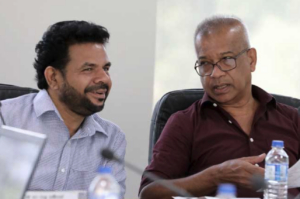
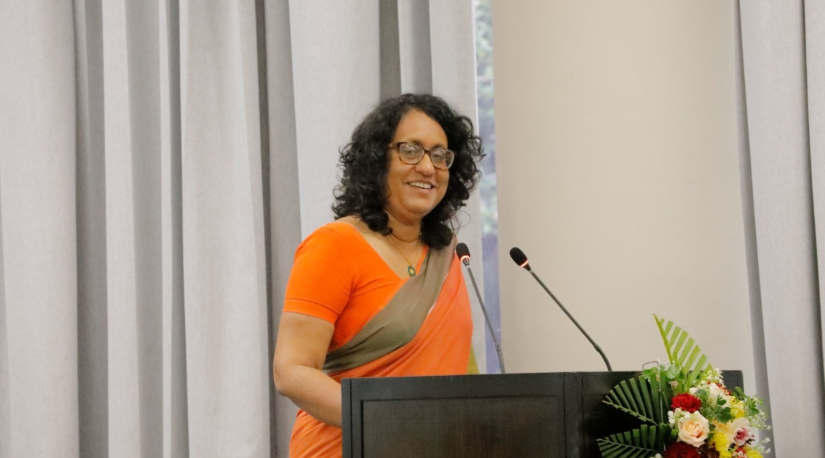
Speaking at a pivotal workshop held at the Grand Monarch for senior officials of nine vocational education institutions, including two state-affiliated universities, the Prime Minister outlined a vision where economic hardship no longer acts as a barrier to professional success.
🧠 Beyond Technical Skills: Nurturing “Human-Centered” Professionals
Dr. Amarasuriya emphasized that while technical proficiency is the backbone of vocational training, the next phase of Sri Lankan education must focus on the “human” element. She urged institutional heads to move beyond merely producing skilled laborers and instead focus on developing well-rounded citizens.
- Holistic Development: The Prime Minister called for curricula that foster empathy, ethical values, and social responsibility.
- The “Humanity” Factor: “Our goal is to produce professionals who are not only technically competent but also enriched by humanity and care for others,” she stated.
- National Alignment: Institutional development plans must now be strictly aligned with the broader National Economic Development Plan to ensure graduates meet real-world economic demands.
🤖 Navigating the AI Revolution
The workshop also addressed the looming impact of Artificial Intelligence (AI) on the job market. Dr. Amarasuriya noted that while the world is still grappling with how AI will reshape traditional vocations, Sri Lanka cannot afford to be left behind as it was during previous industrial revolutions.
- Urgent Integration: She identified the integration of vocational training into mainstream schooling as an “urgent necessity” to prepare students for an AI-driven economy.
- The Human Edge: The Prime Minister highlighted that while AI can optimize online learning and profit-driven sectors, it cannot replace human compassion in critical fields like childcare and elderly care.
- Strategic Caution: She warned that the AI revolution is often driven by profit, and the state must protect the education system from being exploited or losing its human-centric focus.
🛤️ Flexible Pathways to a Doctorate
A significant portion of the discussion focused on removing the “dead-ends” in vocational training. The government plans to introduce more flexible academic routes for students pursuing technical paths.
- Doctoral Levels: New policies will allow vocational students to progress seamlessly through the system, potentially reaching the PhD level.
- Lateral Entry: The system will facilitate “lateral entry” for those already in the workforce, allowing them to return to education to upgrade their qualifications without starting from scratch.
- Maintaining Standards: While flexibility is a priority, the Prime Minister insisted that high quality and rigorous standards must be maintained to ensure the credibility of vocational degrees on the global stage.