Historic Milestone: Sri Lanka’s First Public Sector IVF Unit to Launch at Castle Street Hospital
By Lions Roar Aotearoa Health Bureau
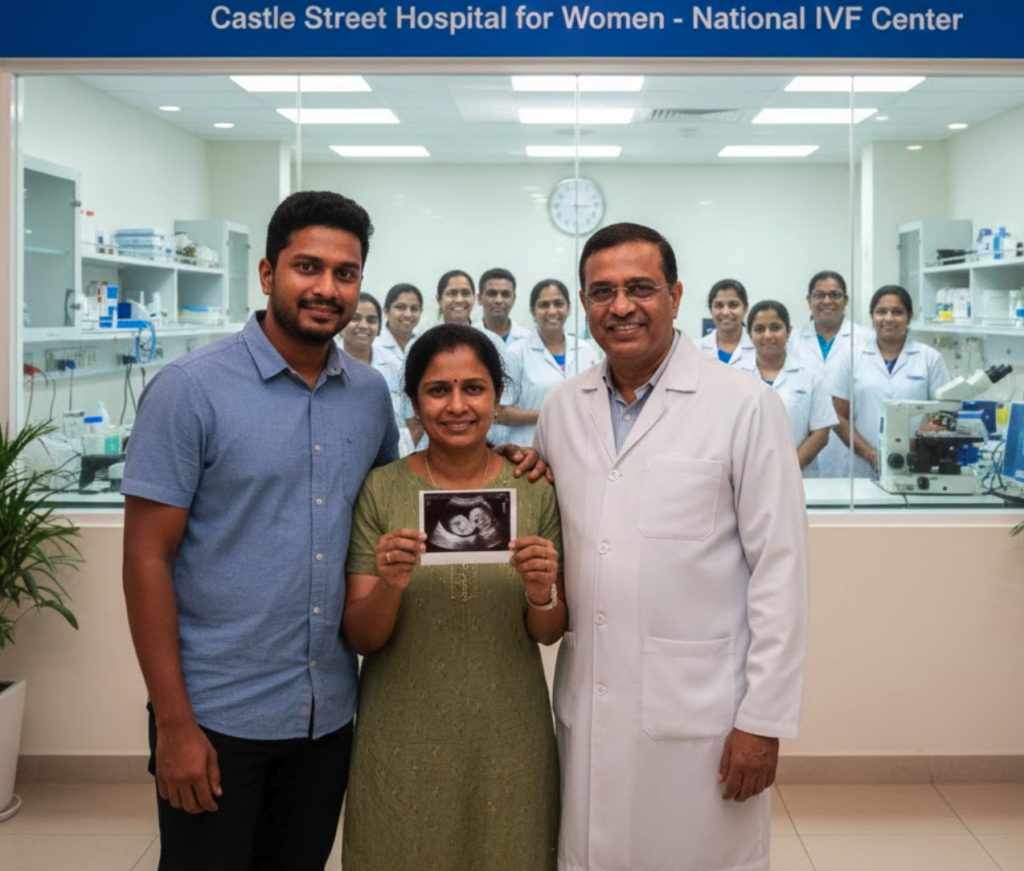
COLOMBO, SRI LANKA (Tuesday, January 27, 2026) — In a groundbreaking move for the national healthcare system, Castle Street Hospital for Women in Colombo is preparing to launch Sri Lanka’s first-ever government-funded In Vitro Fertilization (IVF) facility.
This historic initiative aims to democratize advanced fertility treatments, which have previously been available only through expensive private medical institutions, making them accessible to the general public for the first time.
🕒 Launching Within Three Months
Dr. Ajith Kumara Danthanarayana, Director of Castle Street Hospital for Women, confirmed that the technical and structural preparations are in the final stages.
- Timeline: The facility is expected to be fully operational within the next three months.
- The Mission: To provide a state-of-the-art solution for low- and middle-income families struggling with infertility, ensuring that financial status is no longer a barrier to parenthood.
🔬 Addressing a National Health Need
Infertility is a growing concern in Sri Lanka, and the introduction of IVF in the public sector is seen as a critical national requirement. The new unit will provide specialized care for couples facing:
- Fallopian Tube Blockages: Providing an alternative path to conception.
- Low Sperm Count: Utilizing precise laboratory fertilization techniques.
- Hormonal Imbalances: Offering integrated medical and technological support.
🧬 How It Works
IVF involves the fertilization of an egg with sperm outside the body in a specialized laboratory environment. Once fertilized, the embryo is transferred back into the uterus. While this technology has been the gold standard for fertility treatment globally, its high cost in the private sector (often running into millions of rupees) has kept it out of reach for many Sri Lankans.
📊 Comparison: IVF in Sri Lanka
| Feature | Private Sector IVF | New Public Sector Unit (Castle Street) |
| Cost | Highly Expensive (Self-funded) | Subsidized/Free (Government-funded) |
| Accessibility | Limited to high-income earners | Open to the general public |
| Technology | Advanced | Equal Standard (State-of-the-art lab) |
| Estimated Launch | Currently Available | April/May 2026 |
💬 “A National Necessity”
Dr. Danthanarayana emphasized that the government’s intervention is vital.
“Given the rising rates of infertility, providing high-tech treatments through the free healthcare service is not just a medical advancement, but a national necessity to support the future of Sri Lankan families.”