Fonterra Fast-Tracks $4.2 Billion Consumer Exit: Special Meeting Set for February
By Lions Roar Business Desk
AUCKLAND, NEW ZEALAND (Friday, January 23, 2026) — New Zealand dairy giant Fonterra has confirmed it is on track to finalize the $4.2 billion sale of its iconic consumer business, Mainland Group, within the first quarter of this year.
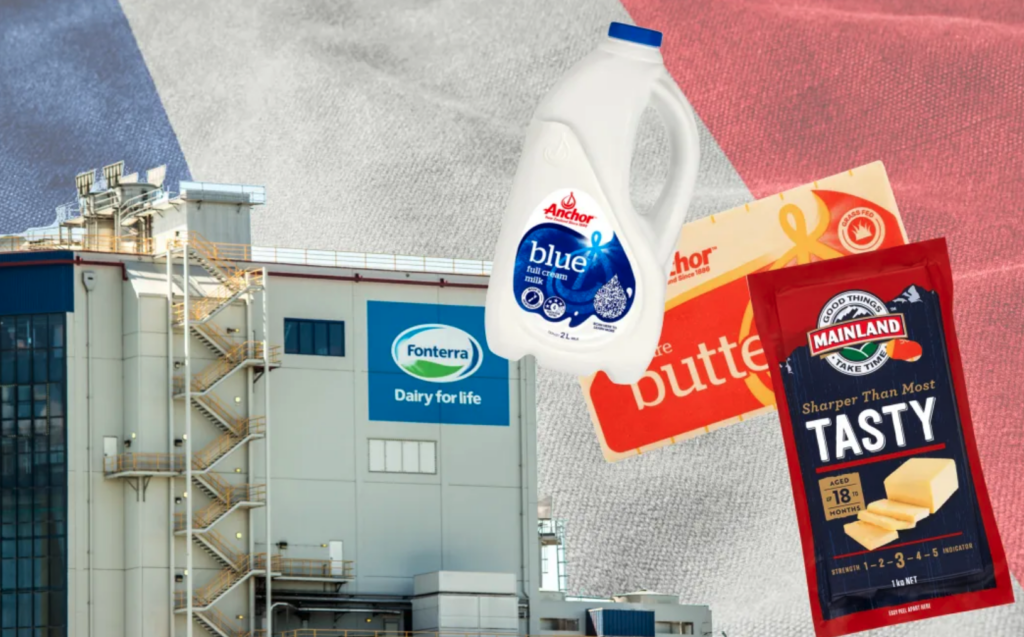
The deal, which sees beloved Kiwi brands like Anchor, Mainland, and Kāpiti pass to French dairy titan Lactalis, cleared a major hurdle recently after receiving the green light from Australia’s Foreign Investment Review Board (FIRB).
💰 The $3.2 Billion Payday
Fonterra has announced a special meeting for its farmer-shareholders on February 19 to vote on a massive capital return.
- The Return: A proposed $2 per share payout to shareholders and unit holders.
- The Total: This equivalent return totals approximately $3.2 billion.
- Tax Status: The co-operative expects the payment to be tax-free for most, though it has advised shareholders to seek independent tax advice.
- Timing: By holding the vote in February, Fonterra aims to put cash into farmers’ pockets almost immediately after the deal officially closes.
🏗️ Separating the Giant
The sale marks a fundamental shift in Fonterra’s strategy, moving away from being a consumer-facing brand company to focusing on its core strengths: high-value ingredients and foodservice.
- Progress: Fonterra stated that the complex process of separating the consumer brands from its supply chain and global operations is “progressing well.”
- Approval Hurdles: While FIRB has given its approval, the deal remains subject to other final regulatory conditions before the official handover to Lactalis.
📊 Fonterra Consumer Sale: At a Glance
| Detail | Status / Value |
| Sale Price | $4.2 Billion |
| Buyer | Lactalis (France) |
| Key Brands Sold | Anchor, Mainland, Kāpiti |
| Shareholder Payout | $2 per share (~$3.2 Billion Total) |
| Special Meeting | February 19, 2026 |
| Expected Completion | Q1 2026 |
🥛 End of an Era?
The exit from the consumer market was overwhelmingly approved by farmers in October last year. For many, it represents a “back to basics” approach for the co-op, prioritizing the value of New Zealand milk over the high marketing costs and thin margins of the global supermarket shelf.