Iranian Rial Teeters on the Edge of One Million Mark Against the US Dollar
By Lions Roar News Economic Bureau
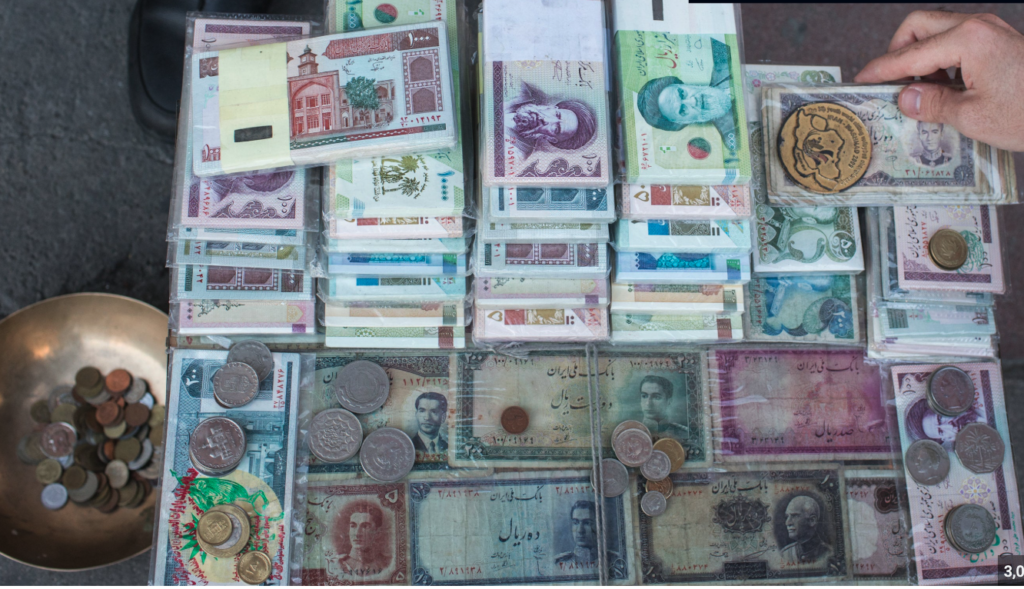
TEHRAN, IRAN (January 13, 2026) — The Iranian economy is facing a historic collapse as the national currency, the Rial, plummeted to near-million levels against the US Dollar. According to the latest exchange rates released by the Central Bank of Iran on Monday (January 12), the selling price of one US Dollar reached 994,055 Iranian Rials.
This critical devaluation comes as the country enters its 15th consecutive day of nationwide protests, fueled by economic despair and diplomatic isolation.
📉 A Record-Breaking Devaluation
The Rial has seen extreme volatility in recent weeks. While the current rate sits just under the million mark, it follows an even deeper dive recorded late last month.
- December 30 Milestone: Just two weeks ago, the exchange rate hit a staggering 1,360,000 Rials per USD, marking the lowest value in Iranian history.
- Economic Paralysis: The rapid decline has made it impossible for many businesses to operate, as the cost of imported goods skyrockets and the purchasing power of citizens evaporates.
🏗️ Grand Bazaar Shut Down
The economic shock has hit the heart of Iran’s commerce. In Tehran, shopkeepers at the Grand Bazaar—the city’s historic commercial hub stretching over 10 kilometers—have closed their doors in protest.
The closure of the bazaar, traditionally a bellwether for the country’s political and economic stability, served as the catalyst for the broader protests that have now gripped the nation for over two weeks. Business owners claim they can no longer price goods or conduct trade with such an unstable currency.
🛡️ Causes: Sanctions and Isolation
Economists point to two primary factors driving this “death spiral” for the Rial:
- Strict Sanctions: Ongoing economic sanctions imposed by the United States and its allies continue to choke Iran’s oil exports and financial transactions.
- Diplomatic Isolation: The country’s increasing isolation on the world stage has stifled foreign investment and restricted access to hard currency reserves.