Education Overhaul: Prime Minister Amarasuriya Announces Trilingual Modules for Grades 1 & 6; Internet for 1,873 Schools by March
By Lions Roar News Education Desk
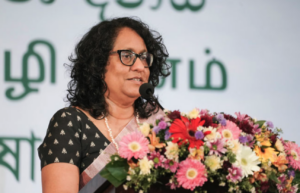
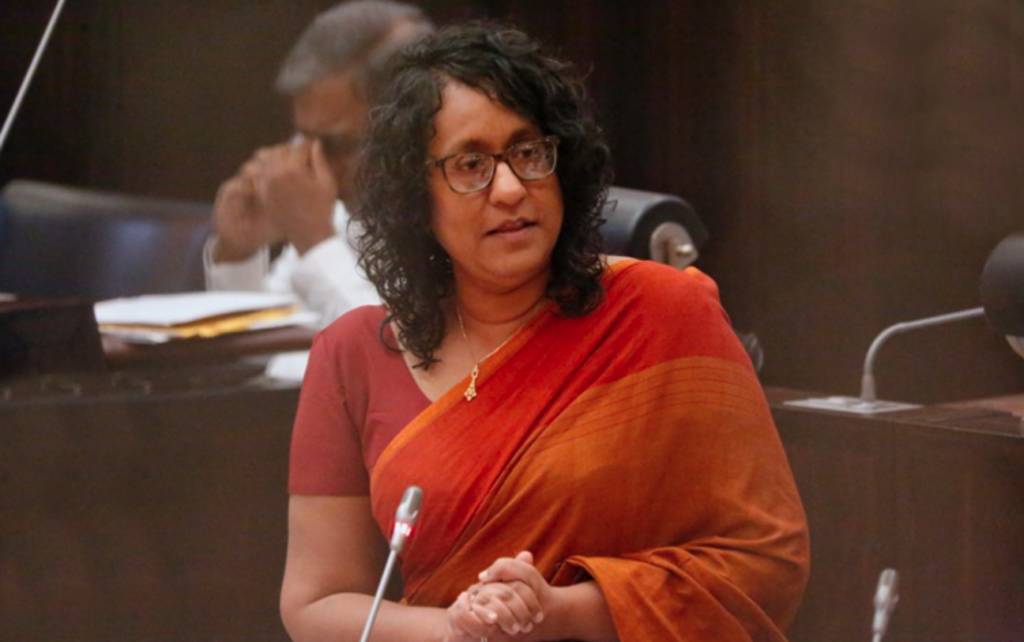
COLOMBO, SRI LANKA (January 10, 2026) — Prime Minister Dr. Harini Amarasuriya announced a significant step forward in Sri Lanka’s educational reforms today, confirming that 106 new educational modules for Grade 1 and Grade 6 have been printed in all three national languages (Sinhala, Tamil, and English).
Speaking in Parliament, the Prime Minister detailed a strategy that balances digital transformation with practical classroom reality, ensuring that no student is left behind due to a lack of technology.
📚 Trilingual Modules and the “Offline First” Approach
The National Institute of Education (NIE) has made a pivotal decision regarding future curricula for the second and third school terms.
- End of Mandatory Web Links: The Academic Board of the NIE has ordered that future modules will not mandate web-based links for core learning. This move ensures that the curriculum remains functional in areas with limited connectivity.
- Optional Digital Aid: While the new modules include references to websites and sources, these are primarily state-owned and free of charge. The Prime Minister clarified that internet access is not mandatory for teaching these modules; it is intended only as a supportive learning aid.
- Teacher Empowerment: All necessary information from external digital sources has been integrated into the Teacher Guides, allowing educators to conduct lessons effectively without an active internet connection.
🌐 Bridging the Digital Divide: 1,873 Schools to Get Connected
Recognizing the infrastructure gap, the government has launched a massive funding initiative to modernize schools nationwide.
- Connectivity Goal: Discussions have begun to provide at least basic internet facilities to 1,873 schools that currently have no access. The Prime Minister pledged that these facilities would be in place by March 2026.
- Smart Classrooms: The government has allocated Rs. 1,600 million across nine provincial education departments to provide smart boards and computers.
- Timeline: Approximately 2,498 schools are expected to receive smart boards by February 2026.
🛡️ Child Protection in the Digital Age
As part of the broader Digital Transformation Task Force, a comprehensive study on child protection in digital spaces has been completed.
- New Policy: A set of guidelines and a formal policy for digital child safety have been prepared.
- Next Steps: This policy will be presented to the Academic Board of the NIE to be integrated into the national education framework, ensuring students are protected as they navigate online resources.