New Zealand ‘Concerned’ Over US Invasion of Venezuela: Experts Call for Robust Condemnation
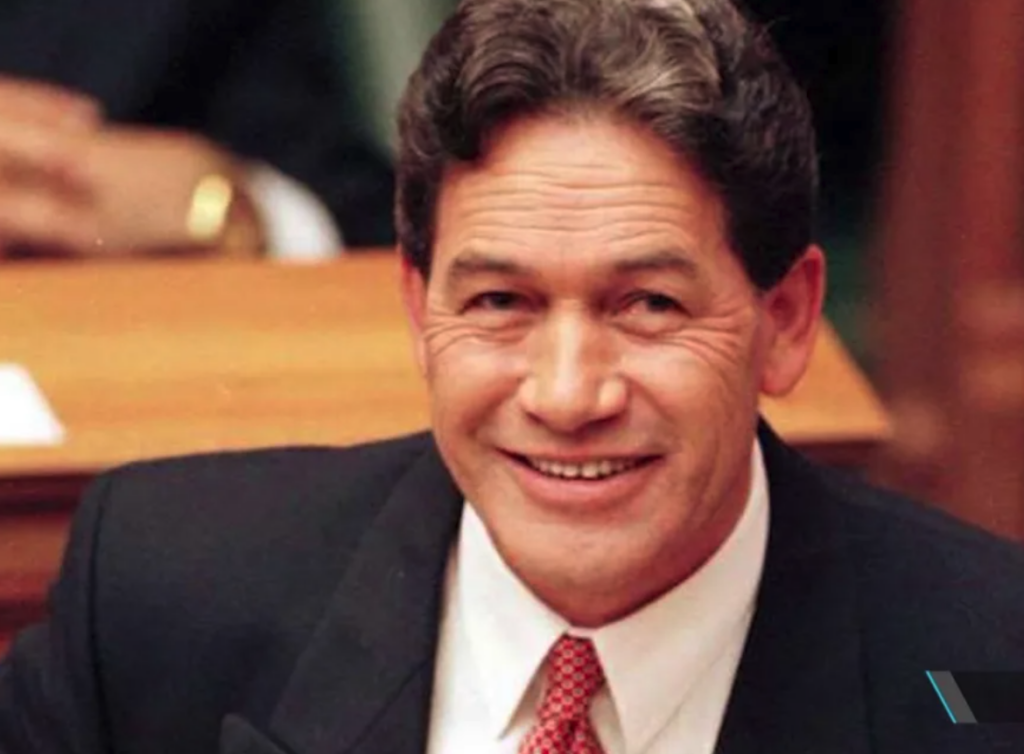
WELLINGTON, NEW ZEALAND (January 4, 2026) — The New Zealand government has broken its silence following the dramatic United States military strike on Caracas and the subsequent capture of President Nicolás Maduro. While Foreign Minister Winston Peters has expressed official “concern,” domestic political leaders and international law experts are warning that a muted response could compromise New Zealand’s independent foreign policy and global standing.
🏛️ Government “Monitoring” Amid Growing Political Pressure
Foreign Minister Winston Peters issued the government’s first official statement via X (formerly Twitter), striking a tone of diplomatic caution. “New Zealand is concerned by and actively monitoring developments in Venezuela and expects all parties to act in accordance with international law,” Peters stated. He added that New Zealand stands with the Venezuelan people in their pursuit of a “fair, democratic, and prosperous future,” while maintaining a strict ‘Do Not Travel’ advisory for the region.
However, the government’s measured stance has drawn sharp criticism from the Green Party. Co-leader Marama Davidson challenged Prime Minister Christopher Luxon to find his “moral courage” and explicitly condemn the attack.
“This is a display of illegal might that has never had the interests of the Venezuelan people at its core,” Davidson wrote. “It is pure American imperialism over a region that has some of the world’s largest oil reserves. The PM’s silence betrays the values of our nation.”
Despite these calls for a stronger rebuke, the Prime Minister’s office has declined to provide further comment, referring all inquiries back to Minister Peters’ initial social media post.
🌍 “Fanciful Pretexts”: Experts Question the Legality of the Invasion
Prominent New Zealand academics have been far more direct, labeling the US action a flagrant violation of international sovereignty. Professor Alexander Gillespie of the University of Waikato noted that while drug trafficking is a legitimate global concern, using it as a pretext for a full-scale invasion is “fanciful.”
- The Self-Defence Doctrine: Gillespie argued that international law only permits attacks in the name of self-defence if the threat is urgent and proportionate. “To say this is self-defence stretches the doctrine way beyond what it has previously been understood as,” he said.
- The Danger of Precedent: There are grave fears that by capturing a sovereign leader, the US is giving a “green light” to other powers—like Russia in Ukraine or China regarding Taiwan—to intervene unilaterally in countries they disapprove of without UN oversight.
- A Call for Rules-Based Order: Professor Robert Patman of the University of Otago described the move as an “audacious challenge” to nations like New Zealand that champion a rules-based international order. He suggested that New Zealand must be “firm and robust,” noting that the US has already shown little regard for Kiwi interests by imposing tariffs.
Both experts agreed that rather than the US “running” the country to access its oil reserves—as President Trump has suggested—the governance of Venezuela should be handed to an independent body like the United Nations or the Organisation of American States to facilitate a truly fair election.