A Heroic Farewell: Australian Woman Makes World-First History in Final Act of Giving
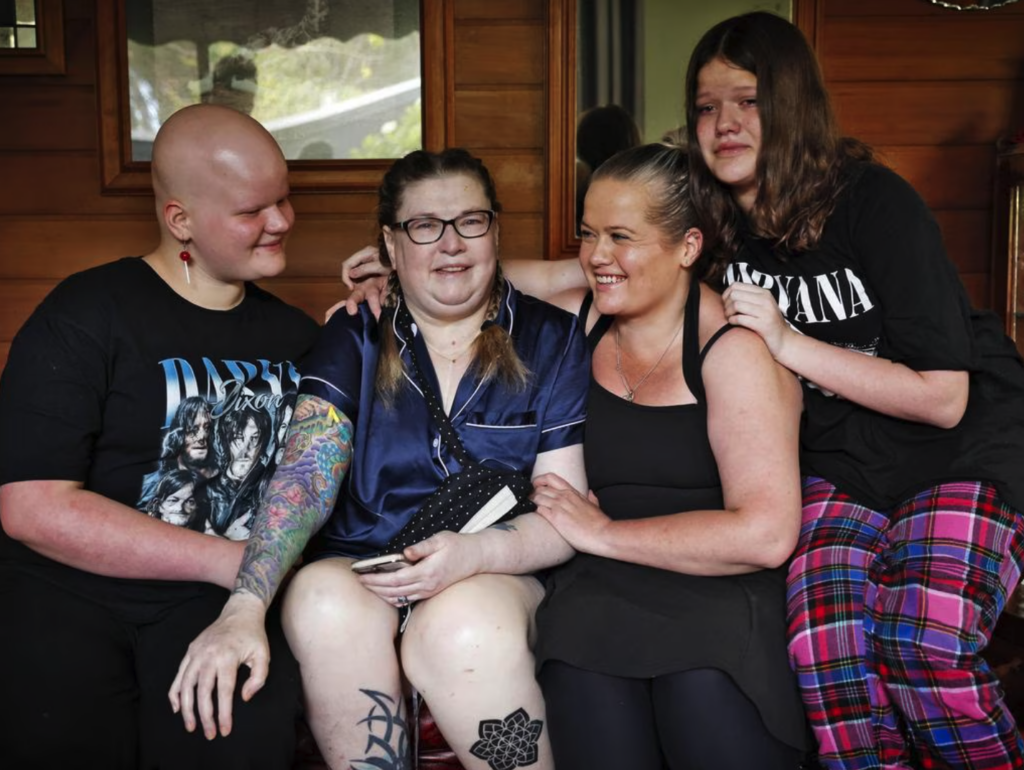
Original Reporting by: Caitlyn Gribbin and Rachel Carbonell First Published by: ABC News Date: January 3, 2026
By Lions Roar News World Desk
VICTORIA, AUSTRALIA — In a story that has captured the hearts of the international medical community and the public alike, 55-year-old Karen Duncan has become the first person in the world to successfully donate her organs after self-administering medication through Voluntary Assisted Dying (VAD).
Before her passing, Karen, a mother of two who was battling an aggressive form of Motor Neurone Disease (MND), arrived at the hospital in a limousine accompanied by her daughters, friends, and her beloved poodles to say her final goodbyes.
🌟 Challenging the Medical “Assumption”
Until Karen’s case, it was widely believed that organ donation was only possible when VAD was administered intravenously by a doctor. This is because intravenous methods are predictably fast, ensuring organs remain viable for transplant.
However, Victorian law requires individuals to swallow the medication themselves if they are physically able. Many experts assumed the slower process of oral ingestion would cause the organs to deteriorate. Karen refused to accept that answer.
- The Breakthrough: Karen’s determination forced medical teams to “look into it.”
- The Success: She passed away 39 minutes after taking the medication. Despite the time elapsed, her lungs, kidneys, and heart valve were successfully donated, along with eye tissue for MND research.
- The Impact: Dr. Rohit D’Costa, medical director of Donate Life Victoria, called her gift “meaningful and without precedent,” proving that self-administration does not bar a person from being a donor.
🏛️ The Ethical Balance
Combining VAD and organ donation is a complex ethical landscape. To protect the integrity of both practices:
- Separation of Choice: Guidelines ensure that organ donation is only discussed after a VAD permit is granted, preventing any perceived pressure to choose death for the sake of donation.
- Public Trust: Experts like Professor Dominique Martin emphasize that both practices rely on extreme public trust to ensure no coercion occurs during end-of-life care.
📈 A Legacy for Future Donors
Karen’s selfless act was presented at the 2025 Organ Donation Congress in Kyoto, marking a global shift in how assisted dying and donation intersect. International research suggests that 10% to 15% of people eligible for VAD could be medically suitable donors—potentially adding dozens of life-saving donors to the pool each year.
“She was my hero… and she’s an even bigger hero now,” her daughter Brieanna said. “She’s given other people more time in their life. It’s indescribable.”