“A Disaster in the Making”: Leading Clergy and Academics Fiercely Oppose New Education Reforms

By Lions Roar News National Desk
COLOMBO, SRI LANKA (December 29, 2025) – A high-profile “Sangha Conference” (convention of Buddhist clergy) held today at the Colombo Foundation Institute has issued a scathing condemnation of the government’s proposed education reforms. Leading the opposition, Professor Ven. Induragare Dhammaratana Thero warned that the new policies would not only lead to the “destruction of the nation’s children” but also to the eventual downfall of the current administration.
The conference was organized specifically to analyze the objectives and potential impacts of the reforms scheduled for implementation in 2026.
🏛️ Critiques of “Dictatorial” Implementation
Addressing the gathering, Ven. Dhammaratana Thero compared the government’s approach unfavorably to past leaders, suggesting a lack of democratic consultation that has bypassed even the teachers currently undergoing training.
Key Criticisms Raised:
- Lack of Consultation: The Thero alleged that neither subject experts nor experienced educationists were consulted. “Even the teachers being trained now are not being heard; they are simply told they must follow orders from above,” he stated.
- Mismatched Solutions: Describing the reforms as “putting a square peg in a round hole,” the clergy argued that the changes do not address the actual crises facing the education sector.
- Future Impact: He warned that the reforms are a “blueprint for failure” that will alienate the public and damage the cognitive development of future generations.
“To put it in plain Sinhala, this is like applying a bandage to the head when the patient has diarrhea. They are trying to fit a round lid onto a square bottle. If this proceeds, the child is destroyed, and the government is destroyed. This is what the Prime Minister is leading us toward,” Ven. Dhammaratana Thero remarked.
🔍 The Reform Context
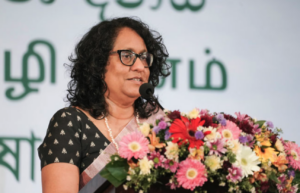
The government, led by Prime Minister Dr. Harini Amarasuriya, has defended the 2026 reforms as a necessary modernization of the system. The proposed changes include:
- Shifting to a module-based assessment system to replace traditional competitive exams.
- Introducing vocational pathways as early as Grade 10.
- Restructuring classroom sizes and teacher training modules that have reportedly remained unchanged for 16 years.
However, the Sangha Conference today signaled that a significant segment of the religious and academic community views these changes as an “imported ideology” that threatens national identity and rural student opportunities.