The Inevitability of Competition
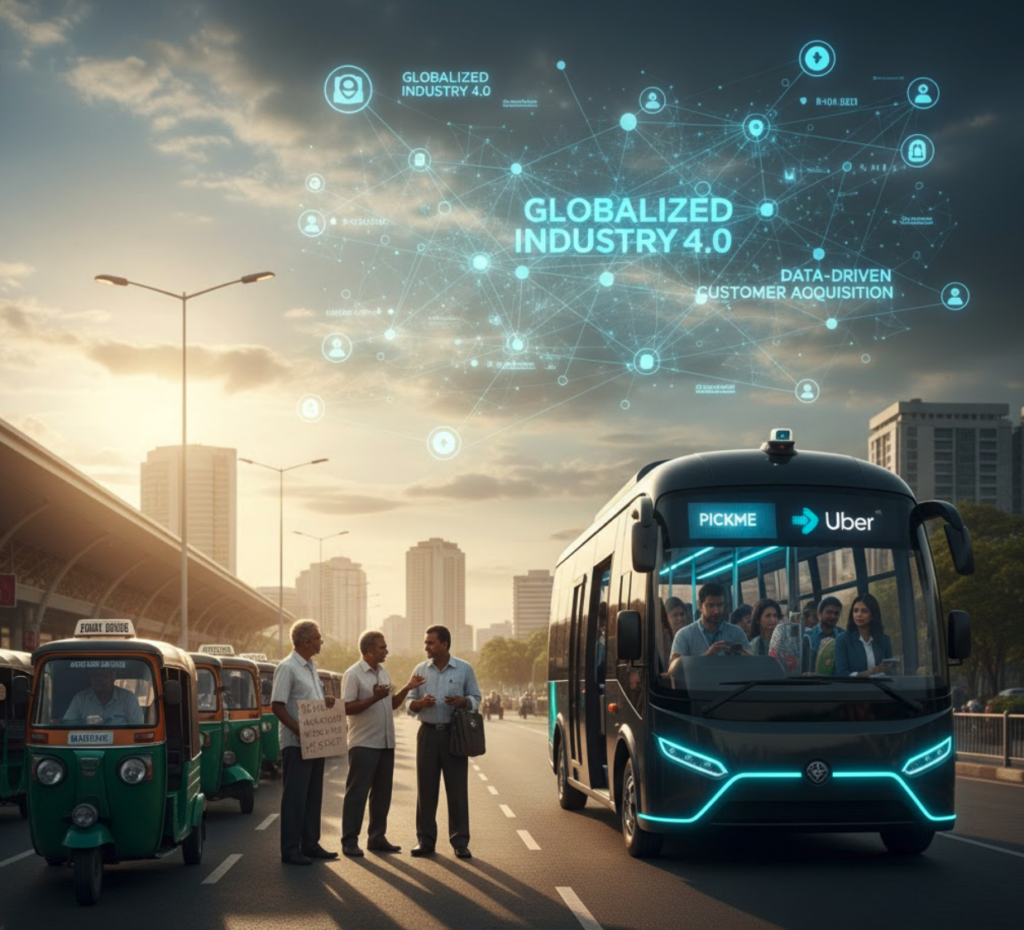
Strategic Dynamics and Survival in the Contemporary Market
This article is written by Anuradha Wanigasekara, Lions’s Roar Special correspondent and Business Operational Head
Abstract
This paper discusses the basic economic fact that competition is an inseparable reality within the business environment. This discussion will focus on the theoretical foundation that sustains competition, the reaction of various business entities, and the resultant macroeconomic effects. The primary case study utilizes the Sri Lankan taxi service industry, where the conflict caused by digital services such as PickMe/Uber and conventional taxi service providers establishes a strategic framework for the survival of affected smaller businesses in a modern technological age characterized by highly active competitive pricing incentives.
1. The Ontological Necessity of Competition
In classical and neo-classical economic theory, competition is neither an element that firms choose from among various options nor a strategy that firms implement; instead, competition emerges as a natural result of resource scarcity in an effort towards market equilibrium. As long as there is a possibility of profits in a certain market, new firms will be drawn in, leading to an increase in supply and a subsequent reduction in prices.
Today, within the new reality of “Globalized Industry 4.0,” the nature of competitiveness has shifted from mere price rivalry to complicated contests for:
- Innovation
- Process Optimization
- Data-driven Customer Acquisition
For an enterprise to truly “avoid” competitiveness, it would require a complete monopoly guaranteed by law—a rarity in the digitized era. Even in such instances, the presence of “substitute goods” (e.g., public transport vs. private taxis) ensures that competitiveness remains a constant variable within the business environment.
2. Patterns of Behavior Under Competitive Pressure
Enterprises respond to competition based on their organizational size, resource availability, and state of innovation:
Large Scale Platforms (The “Goliaths”)
Companies like Uber or PickMe employ “Network Effects” and “Economies of Scale.” They follow a predatory pricing business model where strong discounts are offered to customers and high incentives to drivers to reap the maximum possible market share. Their target is market leadership, where high sales volume compensates for smaller profit margins per unit.
Small and Individual Enterprises (The “David” Factor)
Smaller organizations rarely possess the capital necessary for prolonged “price wars.” Faced with larger rivals, they often adopt a defensive position, labeling the market as “unfair” and appealing to the government for intervention, as seen with individual taxi owners in Sri Lanka.
3. Case Study: The Sri Lankan Taxi Industry Crisis
Recent events involving Sri Lankan airport transport and the broader transport market demonstrate a classic case of market disruption. Traditional firms using fixed pricing and territorial control are being challenged by algorithmic pricing for two distinct customer segments:
- A. The Tourism Phase (Foreigners): Foreigners landing in Sri Lanka look for safety, predictability, and usability. Global apps target these needs directly. When individual operators charge aggressive fares or exhibit hostility toward app drivers, it creates a negative first experience of the country, pushing tourists further toward digital platforms.
- B. The Domestic Phase (Local Commuters): Local users require taxis for high-frequency activities like commuting to work or running errands. These customers rely strictly on price and availability. Individual entrepreneurs lose this segment because they cannot compete with the “on-demand” speed offered by apps.
4. Strategic Advice: How “Victimized” Businesses Can Survive
Small businesses unable to match competitors on price or advertising must adapt by differentiating on the Value Aspectrather than the cost aspect.
A. Own a Niche (Specialization)
Small businesses cannot satisfy everyone, but they can satisfy a specific group better than a nameless application.
Pragmatic Action: Specialize in “Premium Tourism Concierge Services.” The driver should move beyond being a “transporter” and become a “local guide.” Personalized agendas and extensive cultural knowledge are value-adds that random app drivers cannot provide.
B. Leverage Agility and Personalization (The “Family Driver” Model)
The main drawback of giant corporations is the lack of a human touch.
Pragmatic Action: For local chores like school and grocery runs, create a Personal Client Database. By becoming a trusted “family chauffeur,” you provide a service a stranger from an app cannot. Maintaining a database of 50 local clients via WhatsApp can prove far more profitable than waiting for street hails.
C. Collective Bargaining and Cooperatives
If an individual is not large enough to compete effectively, they must aggregate.
Pragmatic Action: Form Cooperatives to maintain a shared hotline or simple website. This allows small operators to provide the same level of connectivity and availability as larger firms while maintaining 100% of the profit within their local community.
D. Quality of Evidence Scale (QIQ)
If you cannot be the lowest bidder, you must be the best.
Pragmatic Action: Offer visibly superior service quality—cleaner vehicles, on-time performance, and amenities like complimentary bottled water or Wi-Fi. In an airport context, a “VIP Meet & Greet” is a level of service budget apps are hard-pressed to deliver.
5. Macroeconomic Impact of This Struggle
Although the loss of traditional business sectors is painful, the “Creative Destruction” (as defined by Joseph Schumpeter) caused by competition usually results in:
- Greater Consumer Surplus: Increased variety and reduced prices for consumers.
- Efficiency Gains: The economy becomes more productive through technological integration.
- Labor Evolution: It compels the labor force to evolve skills, such as drivers adapting to new marketing technology.
6. Conclusion
As a principle of nature, the law of competition does not exempt a single business. The resistance in the Sri Lankan taxi industry is a reflection of a global phenomenon. The agenda for the smaller player is not to resist the presence of the giant, but to redefine the battlefield. By shifting focus from price to value, it is possible for the smaller player to not only survive but thrive amidst the giants.
Sinhala Translation of the article
තරඟකාරිත්වයේ අනිවාර්ය පැවැත්ම: නූතන වෙළඳපොළ තුළ උපායමාර්ගික හැසිරීම සහ නොනැසී පැවතීම
සාරාංශය ව්යාපාරික පරිසරය තුළ තරඟකාරිත්වය යනු වෙන් කළ නොහැකි යථාර්ථයක් බව මෙම ලිපිය සාකච්ඡා කරයි. තරඟකාරිත්වය ඇති වීමට බලපාන හේතු, විවිධ ව්යාපාරික ආයතන ඒ සඳහා දක්වන ප්රතිචාර සහ එහි ප්රතිඵලයක් ලෙස ආර්ථිකයට සිදුවන බලපෑම මෙහිදී විග්රහ කෙරේ. ප්රධාන උදාහරණය ලෙස ශ්රී ලංකාවේ කුලී රථ ක්ෂේත්රය (Taxi Industry) යොදාගන්නා අතර, PickMe/Uber වැනි ඩිජිටල් සේවා හමුවේ කුඩා ව්යාපාරිකයන්ට නොනැසී පැවතීමට අවශ්ය උපායමාර්ගික රාමුවක් මෙහිදී ඉදිරිපත් කෙරේ.
1. තරඟකාරිත්වයේ අනිවාර්ය අවශ්යතාවය
ආර්ථික විද්යා මතයන්ට අනුව, තරඟකාරිත්වය යනු ව්යාපාරිකයන්ට තෝරාගත හැකි දෙයක් නොව, සම්පත් සීමිත වීම නිසා වෙළඳපොළ සමතුලිතතාවය කරා යන ගමනේදී ස්වභාවිකවම ඇතිවන ප්රතිඵලයකි. වර්තමාන “4.0 කර්මාන්ත” යුගය තුළ තරඟකාරිත්වය යනු හුදෙක් මිල මත පදනම් වූවක් පමණක් නොව, එය නවෝත්පාදනය සහ දත්ත මත පදනම් වූ පාරිභෝගික ආකර්ෂණය සඳහා වන සටනකි. ඩිජිටල් යුගයේදී තරඟකාරිත්වයෙන් මිදීම ඉතා අපහසු වන අතර, පොදු ප්රවාහනය වැනි විකල්ප සේවා පවතින තාක් කල් තරඟකාරිත්වය යනු වෙනස් නොවන සාධකයකි.
2. තරඟකාරී පීඩනය හමුවේ ව්යාපාරික හැසිරීම් රටාවන්
- මහා පරිමාණ වේදිකා (යෝධ ව්යාපාර): Uber හෝ PickMe වැනි සමාගම් පාරිභෝගිකයන්ට විශාල වට්ටම් සහ රියදුරන්ට දිරි දීමනා ලබා දෙමින් වෙළඳපොළ අත්පත් කර ගැනීමට උත්සාහ කරයි. ඔවුන්ගේ අරමුණ වන්නේ ලාභය අඩු වුවද, සේවා වාර සංඛ්යාව වැඩි කිරීම මඟින් වෙළඳපොළ ආධිපත්යය ලබා ගැනීමයි.
- කුඩා සහ තනි පුද්ගල ව්යාපාර: මෙවැනි ව්යාපාරවලට මහා පරිමාණ “මිල සටන්” වලට ඔරොත්තු දිය නොහැක. එබැවින් ඔවුන් බොහෝ විට රජයෙන් මැදිහත් වීම් ඉල්ලා සිටීම හෝ වෙළඳපොළ අසාධාරණ බව පවසමින් ආරක්ෂිත පිළිවෙතක් අනුගමනය කරයි.
3. ප්රායෝගික උදාහරණය: ශ්රී ලංකාවේ කුලී රථ කර්මාන්තයේ අර්බුදය
ශ්රී ලංකාවේ කුලී රථ ක්ෂේත්රය තුළ සාම්ප්රදායික රියදුරන්ට පාරිභෝගික කණ්ඩායම් දෙකක් සඳහා ඇප් (App) සේවා සමඟ තරඟ කිරීමට සිදු වී ඇත:
- A. සංචාරක ක්ෂේත්රය (විදේශිකයන්): ගුවන් තොටුපළින් පැමිණෙන විදේශිකයන් බලාපොරොත්තු වන්නේ ආරක්ෂාව සහ විනිවිදභාවයයි. තනි පුද්ගල රියදුරන් අධික මිල ගණන් අය කිරීම හෝ ඇප් සේවා සමඟ ගැටුම් ඇති කර ගැනීම නිසා රට පිළිබඳ නරක ප්රතිරූපයක් ඇති වන අතර, සංචාරකයන් තව තවත් ඇප් සේවා වෙත යොමු වේ.
- B. දේශීය ක්ෂේත්රය (දෛනික පාරිභෝගිකයන්): දෛනික අවශ්යතා සඳහා ලාංකිකයන්ට අවශ්ය වන්නේ අඩු මිල සහ ඉක්මනින් කුලී රථයක් සොයා ගැනීමේ හැකියාවයි. තනි පුද්ගල රියදුරන්ට ඇප් සේවා මඟින් ලබා දෙන වේගවත් සේවය සමඟ තරඟ කිරීම දුෂ්කර වී ඇත.
4. උපායමාර්ගික උපදෙස්: කුඩා ව්යාපාරිකයන්ට නොනැසී පැවතිය හැක්කේ කෙසේද?
කුඩා ව්යාපාරිකයන් මිල වෙනුවට “සේවාවේ ගුණාත්මක අගය” (Value Differentiation) මත පදනම් වූ උපායමාර්ග අනුගමනය කළ යුතුය.
- විශේෂීකරණය (Specialization): “ප්රිමියම් සංචාරක සේවාවක්” ආරම්භ කරන්න. ඔබ හුදෙක් රියදුරෙකු නොව, දේශීය තොරතුරු දන්නා “මඟ පෙන්වන්නෙකු” බවට පත් වන්න. ඇප් රියදුරෙකුට ලබා දිය නොහැකි පුද්ගලික අවධානයක් සංචාරකයාට ලබා දෙන්න.
- පුද්ගලික සබඳතා (“Family Driver” ආකෘතිය): දේශීය පාරිභෝගිකයන්ගේ පාසල් ගමන්, සාප්පු සවාරි වැනි අවශ්යතා සඳහා ඔවුන්ගේ විශ්වාසවන්ත “පවුලේ රියදුරා” බවට පත් වන්න. WhatsApp හරහා නිත්ය පාරිභෝගික ජාලයක් පවත්වා ගැනීම ඇප් සේවා සමඟ සටන් කිරීමට වඩා ලාභදායී වේ.
- සමූහ වශයෙන් එකතු වීම (Cooperatives): රියදුරන් එකතු වී “සමූපකාරයක්” පිහිටුවා ගන්න. ඒ හරහා පොදු දුරකථන අංකයක් හෝ වෙබ් අඩවියක් පවත්වා ගනිමින් පාරිභෝගිකයාට විශ්වාසවන්ත සේවයක් ලබා දෙන්න.
- ගුණාත්මකභාවය: පිරිසිදු වාහනය, වෙලාවට පැමිණීම, නොමිලේ ලබා දෙන ජල බෝතලයක් හෝ Wi-Fi වැනි පහසුකම් මඟින් ඔබේ සේවාව දියුණු කරන්න.
5. නිගමනය
තරඟකාරිත්වය යනු වළක්වා ගත නොහැකි ස්වභාවික නීතියකි. ශ්රී ලංකාවේ කුලී රථ ක්ෂේත්රයේ ඇති වී තිබෙන තත්ත්වය ලොව පුරා සිදුවන වෙනස්කම්වල පිළිබිඹුවකි. කුඩා ව්යාපාරිකයා කළ යුත්තේ යෝධ සමාගම් සමඟ සටන් කිරීම නොව, තමන්ගේම සුවිශේෂී සේවා ගුණාත්මකභාවය හරහා වෙළඳපොළ තුළ තම අනන්යතාවය තහවුරු කර ගැනීමයි.