Healing the Invisible Wounds: ‘Beyond Recovery’ Initiative Launches to Rebuild the Spirits of Cyclone Ditwah Victims in Sri Lanka
By Lions Roar News Investigative & Social Affairs Desk
COLOMBO, SRI LANKA – In the wake of the catastrophic Cyclone Ditwah, the Government of Sri Lanka has turned its attention toward a critical but often overlooked dimension of disaster recovery: the mental health and emotional resilience of its citizens.
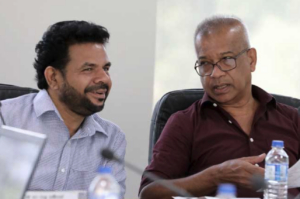
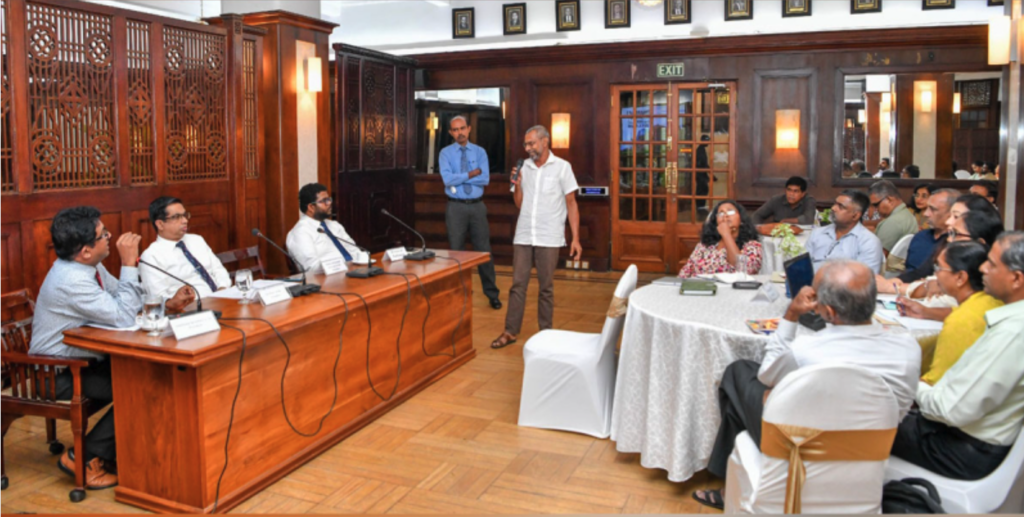
Under the direct patronage of the Presidential Secretariat, a transformative humanitarian mission titled ‘Beyond Recovery’ was officially set in motion yesterday afternoon (December 19). The initiative commenced with a high-level training workshop held at the Presidential Secretariat, presided over by the Secretary to the President, Dr. Nandika Sanath Kumanayake.
This flagship program seeks to transcend traditional disaster relief—which often focuses solely on physical infrastructure and food aid—by embedding psychological support into the very core of the national rehabilitation strategy.
🏛️ Mobilizing the Frontline: Training the Civil Service
The ‘Beyond Recovery’ mission acknowledges that the first point of contact for disaster victims is often a government official. Consequently, the preliminary phase of the program focuses on empowering the administrative backbone of the country.
Yesterday’s workshop brought together key personnel from six major disaster-affected districts. These participants—primarily District Secretaries and Divisional Secretaries—were carefully selected based on their prior exposure to social welfare and their foundational understanding of mental well-being.
The workshop’s objectives were twofold:
- Professional Upskilling: Providing officials with tools to identify signs of Post-Traumatic Stress Disorder (PTSD), severe anxiety, and grief-induced depression among survivors.
- Scientific Frameworks: Moving away from ad-hoc counseling toward “Scientifically Structured Programs.” These include standardized counseling protocols and psychosocial intervention modules designed by Sri Lanka’s leading mental health experts and child psychologists.
🌪️ The Psychological Toll of Cyclone Ditwah
The need for such an initiative has never been more urgent. While the physical scars of the storm—ruined crops and broken bridges—are visible, the internal toll is immense.
Recent data suggests that over 100,000 survivors currently residing in temporary safety centers are at high risk of long-term psychological trauma. For many, the sudden loss of their homes, livelihoods, and in some tragic cases, family members, has created a sense of “existential displacement.”
“Mental health support in an emergency is not a ‘nice-to-have’—it is a ‘must-have,'” noted a consultant psychiatrist during the session. “If we do not address these psychological fractures now, they will manifest as long-term social and economic instability in the years to come.”
🍃 Integration with ‘Clean Sri Lanka’
The ‘Beyond Recovery’ program operates as a specialized humanitarian arm of the broader ‘Clean Sri Lanka’ initiative. While ‘Clean Sri Lanka’ is famously associated with environmental cleanliness and waste management, its mandate is far more holistic.
The program aims to elevate social ethics and environmental well-being to a national standard. In the context of disaster recovery, “cleanliness” refers not just to the removal of debris from the streets, but to the restoration of a “clean, healthy mind” and a society driven by integrity and mutual care.
Dr. Kumanayake emphasized that the government’s vision is to foster a society where the environment and the human spirit flourish together. ‘Beyond Recovery’ is the practical application of this vision, ensuring that as the land is cleared and the houses are rebuilt, the people living within them are emotionally whole.
🚜 From Policy to the Field: The Strategy for Safety Centers
The newly trained officials are expected to return to their respective districts to implement the following immediate actions within relief camps:
- Child-Friendly Spaces: Establishing play-and-movement-based therapy areas for children to process trauma through art and activity.
- Elderly Outreach: Targeted support for the elderly, who often face unique feelings of helplessness and isolation after losing ancestral homes.
- Community Healing Circles: Group sessions designed to restore social bonds and a sense of collective resilience.
- Instructional Manuals: Distribution of scientifically backed counseling guides (Psychological First Aid) to all staff operating in the field.