Sri Lankan President’s Landmark Visit to Japan: A New Chapter in Bilateral Relations
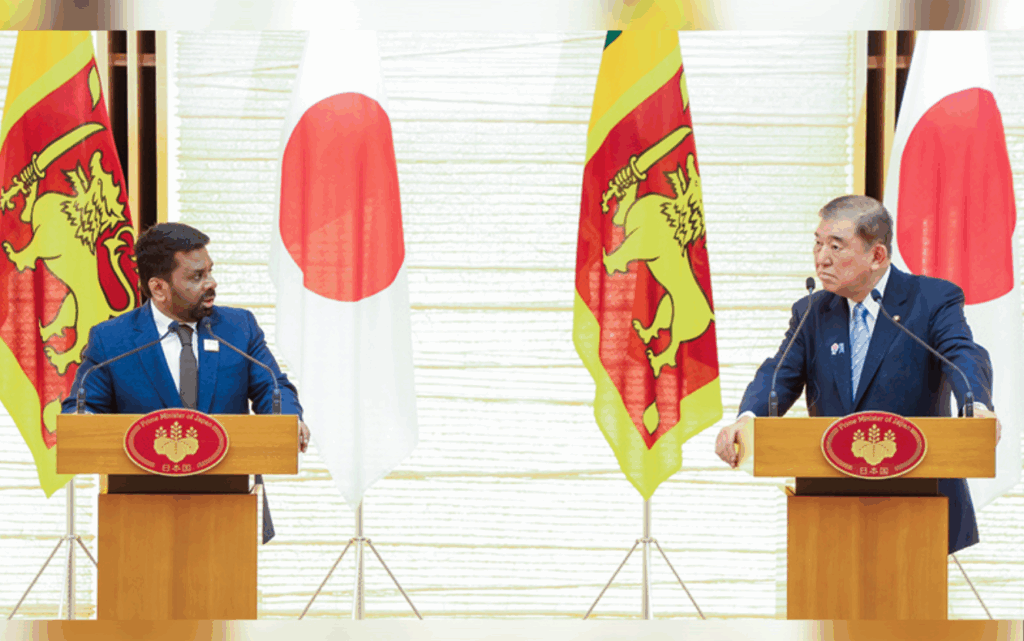
Tokyo, Japan – The recent official tour of Japan by the President of Sri Lanka marked a historic moment in the island nation’s foreign policy agenda and economic recovery efforts. Conducted over the course of five days, the visit combined diplomacy, trade, investment, and cultural exchange, reaffirming Sri Lanka’s intent to strengthen ties with Asia’s most advanced economy. The visit also resulted in several agreements with the Japanese government and prominent Japanese corporations, promising both immediate benefits and long-term opportunities for Sri Lanka.
Diplomatic Warmth and Symbolism
From the outset, the visit carried strong symbolic weight. The President was received with high-level honors in Tokyo, reflecting Japan’s recognition of Sri Lanka as a vital partner in the Indo-Pacific. The ceremonial welcome at the Imperial Palace underscored the longstanding friendship between the two countries, one that stretches back decades and is rooted in mutual respect, Buddhist cultural links, and development cooperation.
The President held an audience with Emperor Naruhito, where he expressed gratitude for Japan’s unwavering support to Sri Lanka through financial assistance, development aid, and disaster recovery programs. In return, the Emperor extended his goodwill to the Sri Lankan people, acknowledging the resilience shown during the country’s recent economic crisis.
High-Level Meetings with Japan’s Leadership
A cornerstone of the tour was the bilateral summit with Japanese Prime Minister Fumio Kishida. Discussions focused on three main areas: economic cooperation, maritime security, and climate resilience. Japan remains one of Sri Lanka’s largest bilateral donors, and the talks were centered on how Tokyo could further aid Colombo in stabilizing its economy.
Key highlights from the summit included:
- Debt Restructuring Assistance: The Prime Minister reassured Japan’s continued mediation in multilateral debt negotiations involving Sri Lanka, particularly in securing consensus among other creditor nations.
- Infrastructure Development: Renewed commitments were made to restart stalled infrastructure projects, including the light rail transit (LRT) system in Colombo, which had been suspended in recent years.
- Maritime Collaboration: Recognizing Sri Lanka’s geostrategic location, both leaders emphasized cooperation in maintaining a free and open Indo-Pacific. Japan pledged technical assistance for upgrading Sri Lankan port facilities and enhancing maritime surveillance.
Engagement with Japanese Corporates and Investors
A central part of the visit involved a Sri Lanka–Japan Business Forum organized in Tokyo with the participation of top Japanese conglomerates such as Mitsubishi, Hitachi, Sumitomo, and Marubeni. The President addressed the gathering, pitching Sri Lanka as a re-emerging hub for trade and investment in South Asia.
He assured investors that Sri Lanka’s new economic reforms were creating a more stable environment for foreign capital. Tax incentives, streamlined approvals, and the modernization of the Colombo Port City Special Economic Zone were presented as major attractions for Japanese firms.
Agreements were signed with several Japanese companies to explore investments in:
- Renewable energy projects, including offshore wind and solar initiatives.
- High-tech manufacturing zones targeting export-oriented industries.
- IT and digital outsourcing, positioning Sri Lanka as a cost-effective alternative in Asia.
Meeting with International Organizations
The President also used the opportunity to strengthen Sri Lanka’s profile in international forums headquartered in Tokyo. He met with leaders of the Asian Development Bank (ADB) and Japan International Cooperation Agency (JICA).
- ADB pledged fresh funding for climate adaptation projects, particularly in coastal protection and renewable energy development.
- JICA renewed its technical assistance programs, promising greater involvement in vocational training and skills development for Sri Lankan youth.
These engagements emphasized not just financial support but also knowledge-sharing, a crucial element in building long-term resilience.
Agreements Signed with the Japanese Government
Several Memorandums of Understanding (MoUs) and agreements were signed during the visit. The most significant included:
- Economic Cooperation Agreement – Establishing a new framework for Japanese investments in Sri Lanka’s infrastructure, particularly in transport, energy, and logistics.
- Maritime Security Pact – A deal to provide Sri Lanka with advanced maritime surveillance technology and coast guard training, further boosting its ability to safeguard sea lanes.
- Education and Cultural Exchange Program – Scholarships and academic exchanges between Japanese universities and Sri Lankan institutions, particularly in science and engineering.
- Tourism Promotion Agreement – Initiatives to attract more Japanese tourists to Sri Lanka and vice versa, through joint marketing campaigns and aviation partnerships.
Why This Visit Matters
The significance of this visit goes beyond ceremonial diplomacy. For Sri Lanka, still recovering from its worst economic crisis in decades, Japan represents both a dependable friend and a gateway to the wider East Asian economic sphere.
- Debt Diplomacy: With Sri Lanka negotiating debt restructuring under IMF supervision, Japan’s role as a key creditor and mediator is pivotal.
- Geopolitical Balancing: The visit helps Colombo balance its relations between major powers – particularly China and India – while aligning itself with Japan’s Indo-Pacific vision.
- Technology Transfer: Agreements in renewable energy and IT sectors pave the way for technology transfer, which could modernize Sri Lanka’s industries.
- Employment Opportunities: Expanded labor mobility arrangements are expected to allow more Sri Lankans to work in Japan, especially in healthcare and technical fields.
Public Reactions in Both Countries
In Sri Lanka, the visit has been hailed as a diplomatic success, with political commentators praising the President for securing much-needed economic partnerships. Analysts noted that this was not just about aid but about repositioning Sri Lanka as a credible partner in Asia.
In Japan, the tour was covered positively by mainstream media, which framed Sri Lanka as a “resilient nation” seeking growth through responsible partnerships. Business circles expressed cautious optimism, with some investors highlighting the importance of Sri Lanka ensuring policy stability before large-scale investments could flow.
Challenges and Criticisms
Despite the overall success, there were some criticisms. Opposition leaders in Sri Lanka argued that previous agreements with Japan had often been delayed or abandoned due to domestic political instability. They cautioned that new pledges would only be meaningful if Colombo maintained continuity in policy execution.
Furthermore, civil society groups in both countries urged caution regarding large infrastructure loans, warning against repeating mistakes that could deepen debt dependency. The President countered these concerns by emphasizing transparency and fiscal reforms as safeguards.
Looking Ahead
As the visit concluded, the President reiterated that Sri Lanka’s partnership with Japan would not end with this tour but would expand into a long-term strategic alliance. Follow-up committees are to be established in Colombo and Tokyo to monitor the implementation of agreements signed during the visit.
The next phase of engagement will focus on:
- Accelerating work on Colombo’s LRT system with Japanese technical expertise.
- Launching the first joint renewable energy project by early 2026.
- Expanding academic scholarships for Sri Lankan students in Japan.
- Preparing for a reciprocal visit by Japanese government officials to Colombo within the year.
Conclusion
The President’s Japan tour was more than a diplomatic formality; it was a clear demonstration of Sri Lanka’s strategy to stabilize, modernize, and diversify its partnerships. With tangible agreements, renewed goodwill, and prospects of economic revitalization, the visit is being framed as a turning point in Colombo’s foreign relations.
While challenges remain in execution and political continuity, the visit has undoubtedly reinforced Sri Lanka’s image as a reliable partner in Asia. For Japan, it reaffirmed its role as a supporter of small but strategically important nations in the Indo-Pacific.
As Sri Lanka charts a path forward, this tour may be remembered as the moment when Colombo decisively re-entered the Asian economic and diplomatic mainstream, with Japan by its side as a trusted ally.