Where Aucklanders Want to Live: Land Value Study Highlights Housing Demand
New research reveals location is still king in the city’s housing market
Auckland Council’s Chief Economist has released new findings that shed light on where housing demand is strongest across Tāmaki Makaurau. The study, which analyses land values as a proxy for demand, shows that people continue to prioritise access to jobs, schools, shops, parks, and public transport when choosing where to live.
The results confirm what many Aucklanders already experience: properties closer to central amenities attract higher land values, while areas further away from the city centre often decline in value unless they have unique advantages such as natural amenities or strong town centres.
Location, location, location
According to the research, the greatest demand — and therefore the highest land values — is concentrated in suburbs that offer:
- Proximity to jobs and the city centre
- Strong transport links (bus corridors, train stations, ferry access)
- Good schools, shops, and local services
- Access to parks and recreational spaces
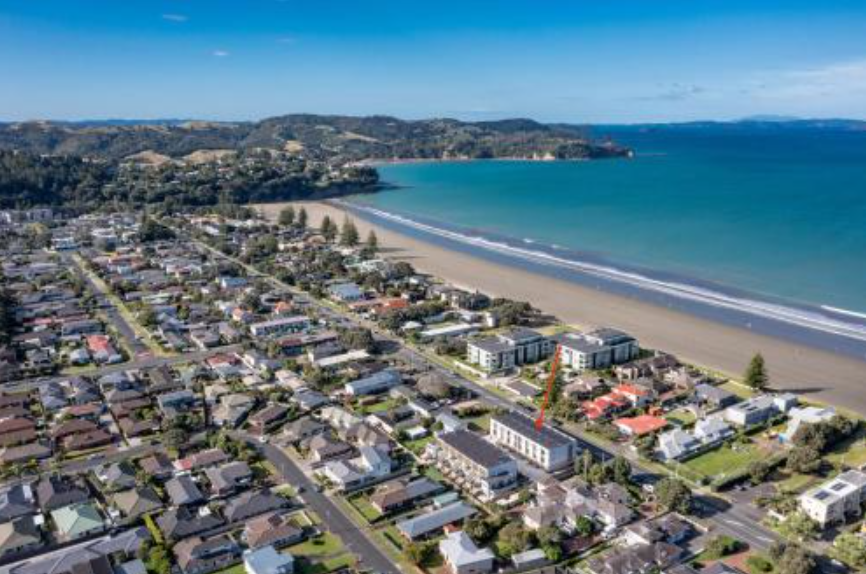
Neighbourhoods further from the city often show lower land values, but the study notes that areas with beachfronts, coastal access, or strong satellite town centres (like Albany or Manukau) can buck this trend.
Chief Economist Gary Blick explained that the data paints a clear picture of how Aucklanders make decisions about housing:
“Land values reflect people’s preferences. They show us that access to everyday needs, convenience, and lifestyle amenities remain top priorities for residents.”
Housing affordability and urban planning
The findings carry major implications for Auckland’s housing affordability and urban planning. With demand so tightly linked to transport and services, it highlights the pressure to build housing in locations that connect residents to these features.
Housing advocates argue that these insights should be central to future planning decisions. By aligning development with transport corridors and town centres, new homes can better meet demand while also avoiding urban sprawl.
Urban planning expert Dr. Laila Sanderson noted:
“This reinforces the importance of well-planned intensification. People will accept smaller homes or apartments if they’re in locations that provide convenience, connection, and lifestyle value.”
The cost challenge for households
While the study is focused on long-term patterns, for many Auckland families, the reality is immediate: higher land values in desirable areas translate into higher house prices and rents. This continues to put pressure on households, particularly younger buyers and renters who are locked out of areas with better access to jobs and services.
Housing affordability remains one of Auckland’s most pressing challenges, with ratepayers and developers alike calling for balance between growth, transport investment, and livable communities.
Smaller centres and lifestyle appeal
Interestingly, the report also highlights the growing importance of smaller town centres and lifestyle features. Communities with strong schools, vibrant local shops, and outdoor amenities — even those further from the city centre — are able to sustain higher demand.
Examples include Orewa and Beachlands, where proximity to the coast and local services offset distance from central Auckland. Similarly, areas with significant investment in town centres, such as Henderson or Papakura, are becoming increasingly attractive to families.
What this means for the future
The findings suggest that future development will need to focus not just on housing supply but on quality of location and connections. Intensification near transport hubs, investment in local centres, and continued improvement of parks and public services will be crucial for creating neighbourhoods people want to live in.
Auckland Council has signalled that this research will guide planning and infrastructure decisions, ensuring housing growth aligns with demand patterns.
As Blick emphasised:
“Where people want to live tells us where we need to plan for growth. It’s about matching homes with the opportunities and amenities that make life work.”
Final word
For Aucklanders, the study confirms what many already know from experience — convenience, connection, and lifestyle drive housing choices. While affordability challenges remain, the research provides a roadmap for where growth should occur and why.
The message is clear: if Auckland wants to create thriving, affordable communities, it must plan homes not just where there is space, but where people actually want to live.