A New Chapter in Sri Lankan Politics: Former President Mahinda Rajapaksa Vacates Official Residence Following Historic Legislation
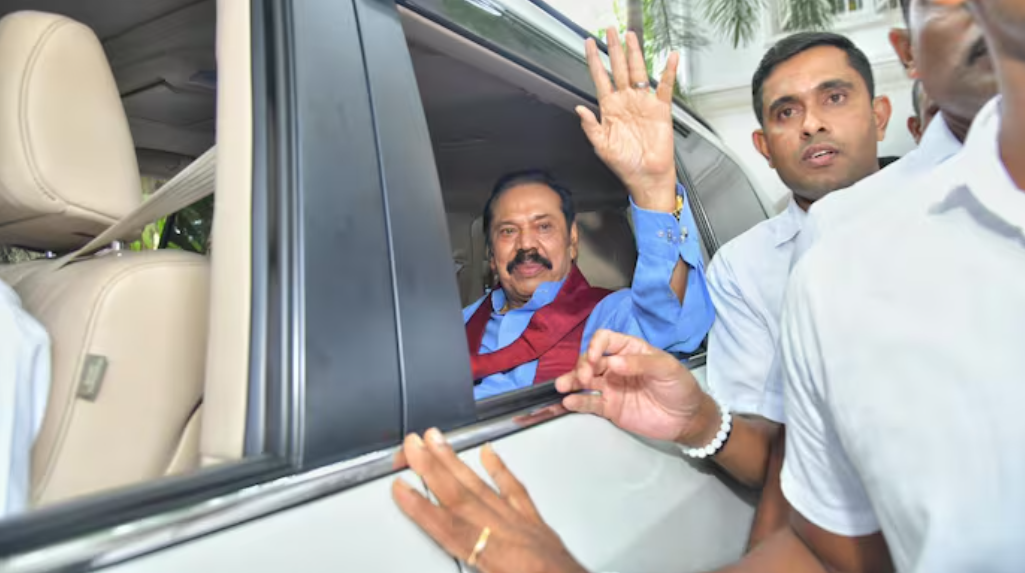
COLOMBO – In a move symbolizing a new era of governance and a significant shift in political culture, former Sri Lankan President Mahinda Rajapaksa has officially vacated his state-provided official residence in Colombo, relocating to his private home, Carlton House, in Tangalle. The departure, which took place on September 11, 2025, comes a day after the Sri Lankan Parliament passed a landmark bill to abolish a range of benefits and allowances for former presidents, a key pledge of the ruling National People’s Power (NPP) government.
The “Presidents’ Entitlements (Repeal) Bill,” which was overwhelmingly approved with a vote of 151-1, revokes entitlements that have been in place for decades, including official residences, monthly allowances, secretarial staff, and state-provided transport for former presidents and their widows. The legislation, now an act of Parliament, marks a dramatic departure from a political system that has long granted lavish post-service privileges to its leaders, often at the expense of taxpayers.
For many Sri Lankans, the sight of the former president leaving his Colombo residence—a privilege he has enjoyed since 2015—represents a triumph of public will over a political establishment long perceived as untouchable. The move is a direct consequence of the immense public pressure for accountability and austerity that emerged from the 2022 economic crisis and subsequent “Aragalaya” (struggle) protests, which saw a mass uprising against the political elite.
The bill’s passage fulfills a core promise made by the NPP and its leader, President Anura Kumara Dissanayake, during their election campaign. The government has consistently argued that the perks for former presidents represent an unnecessary financial burden on a nation still recovering from a devastating economic collapse. According to figures released by a government minister earlier this year, the state was spending over 1.1 billion rupees annually on these entitlements.
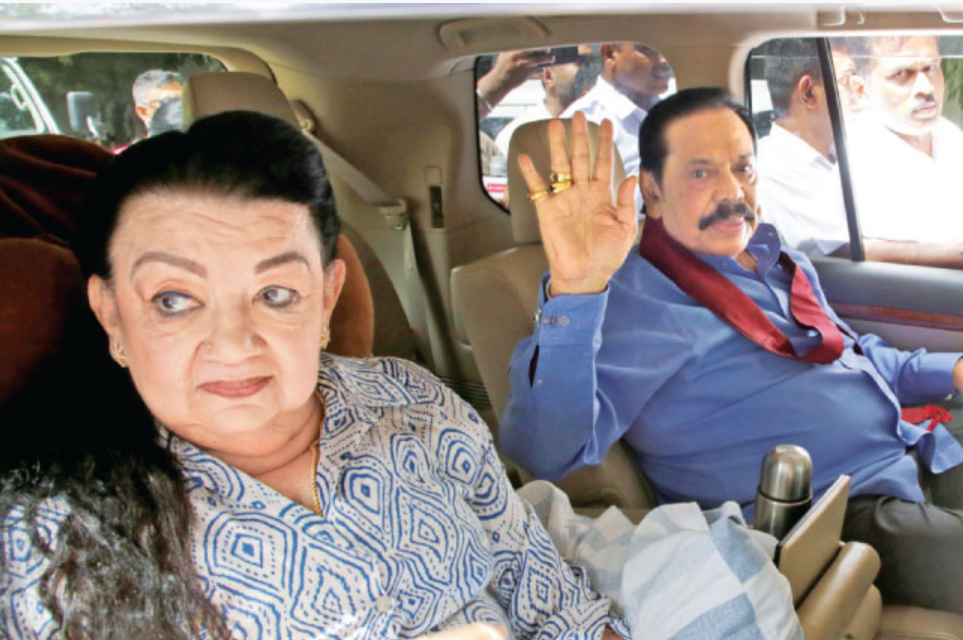
While the new law applies to all living former presidents—including Chandrika Bandaranaike Kumaratunga, Maithripala Sirisena, Gotabaya Rajapaksa, and Ranil Wickremesinghe—the most symbolic departure is that of Mahinda Rajapaksa, a figure who has dominated Sri Lankan politics for over two decades. His family’s political dynasty, which once held an iron grip on the country’s governance, has been significantly weakened since the public unrest of 2022.
In a brief statement to the media as he departed, Rajapaksa said, “We were asked to leave, so we’re leaving,” while also affirming his intention to remain active in politics. His supporters, however, have not been silent. A large crowd gathered outside his Colombo residence to bid him farewell, with many expressing gratitude for his service and criticizing the new government’s actions as a politically motivated attack.
Upon his arrival at Carlton House in Tangalle, a private residence that holds deep personal and political significance for the former president, he was met by an enthusiastic crowd of supporters. The scene was a vivid reminder that despite his family’s recent political setbacks, Mahinda Rajapaksa still commands a loyal following, particularly in the southern parts of the country.
The new law and its immediate effect on the former president are a clear signal of the political realignment taking place in Sri Lanka. The NPP government, led by a new generation of politicians, is seeking to dismantle the old political structures and instill a new culture of transparency and accountability. The repeal of the Presidents’ Entitlements Act of 1986 is a tangible step in this direction, and it sets a powerful precedent for future leaders.
Beyond the immediate political implications, the move reflects a broader national sentiment. The public, weary of decades of corruption and profligacy, has demanded that their leaders be held to a higher standard. The vacating of the official residence is a visible manifestation of that demand being met. The residence itself, which some have suggested should be repurposed for public use, has become a symbol of the excess and privilege that the new government has pledged to end.
As the country continues its journey of economic recovery and political reform, the departure of Mahinda Rajapaksa from his official residence will be remembered as a pivotal moment. It is a sign that the political landscape is changing, and that the power of the people, expressed through the ballot box and on the streets, can indeed challenge and reshape the institutions of power.