New Zealand Achieves Record Low Gender Pay Gap: A Milestone in Workforce Equality
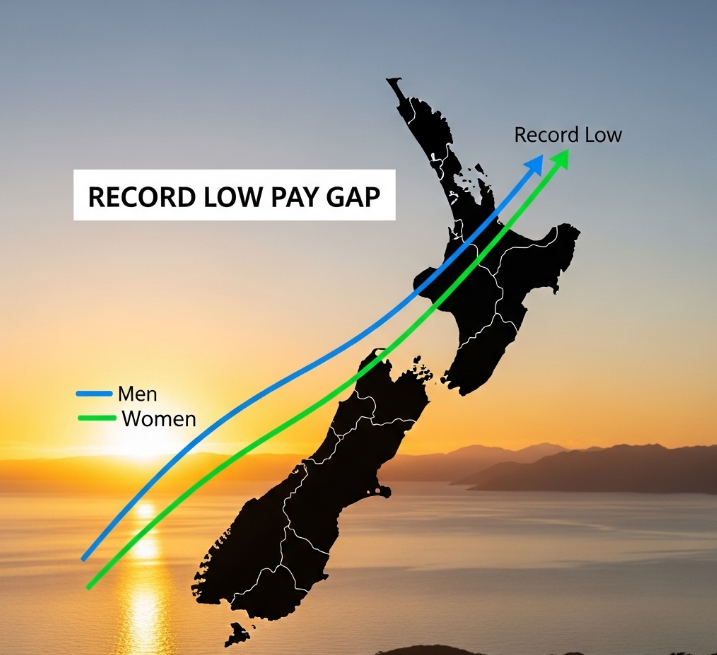
Sub-headline: For the first time in decades, New Zealand reports a record low gender pay gap, reflecting policy reforms, corporate initiatives, and societal shifts. While progress has been significant, experts caution that persistent challenges remain for women in leadership, high-tech sectors, and rural economies.
Introduction
Gender equality in the workplace has long been a defining issue for New Zealand. The nation, recognized for pioneering women’s suffrage in 1893, has historically positioned itself as a global leader in promoting women’s rights. Yet, disparities in pay, representation, and opportunity have persisted, particularly in sectors such as technology, construction, and executive leadership.
In 2025, the latest annual labor statistics revealed that New Zealand’s gender pay gap has narrowed to a record low of 9.2%, a milestone achieved through a combination of legislative reforms, corporate accountability, and cultural change. The development is being hailed as a significant step toward workplace equality, while also highlighting ongoing challenges that require continued attention.
This article examines the factors contributing to the narrowing pay gap, sector-specific trends, policy measures, corporate practices, societal impact, and the road ahead for New Zealand’s workforce.
Historical Context
Gender Pay Gap Trends
Over the past three decades, New Zealand has witnessed a gradual decline in the gender pay gap:
- 1990s: Gap hovered around 18–20%, reflecting structural inequalities in employment sectors.
- 2000s: Legislative interventions, including parental leave reforms and equal pay legislation, reduced the gap to 14–15%.
- 2010–2020: Corporate reporting requirements and gender equity initiatives accelerated progress, reducing the gap to approximately 11%.
The current achievement of 9.2% represents a historic low, reflecting both economic and social transformation.
Global Comparison
New Zealand now ranks among the top performers in the OECD regarding gender pay parity. While some Nordic countries report near-zero gaps, New Zealand’s progress is particularly notable for balancing pay equality with inclusive workforce growth.
Key Drivers of Progress
Legislative Reforms
- Equal Pay Amendment Act
- Strengthened legal frameworks ensuring women receive equal pay for work of equal value.
- Parental Leave Reforms
- Encouraging shared leave has reduced career interruptions for women and enhanced retention.
- Transparency Measures
- Mandatory reporting on pay scales and gender representation in senior roles has increased accountability.
Corporate Initiatives
- Gender Targets and Quotas: Companies set measurable goals for women in leadership positions.
- Flexible Work Policies: Remote work, job-sharing, and flexible hours have reduced barriers to full-time employment.
- Mentorship and Sponsorship Programs: Structured support for women in traditionally male-dominated industries has helped retain talent.
Societal and Cultural Shifts
- Growing societal emphasis on equality and inclusivity has reshaped hiring and promotion practices.
- Educational initiatives promoting STEM and leadership opportunities for girls and young women have expanded the talent pipeline.
Sectoral Analysis
Technology and IT
- Historically male-dominated, technology has seen targeted interventions to promote women in engineering, data science, and software development.
- Companies offering STEM scholarships, leadership development, and mentorship programs have helped narrow the pay gap in this high-growth sector.
Finance and Professional Services
- Pay transparency and formalized performance review systems have reduced bias in promotions and compensation.
- Female representation in executive roles has steadily increased, contributing to overall parity.
Healthcare and Education
- While these sectors employ large numbers of women, pay gaps persist at senior management levels.
- Recent reforms and union negotiations have helped close these gaps, particularly in nursing and administrative leadership roles.
Rural and Manufacturing Sectors
- Challenges remain in sectors with traditional male dominance and geographically dispersed operations.
- Efforts to provide training, flexible work arrangements, and equitable pay scales are ongoing but require sustained attention.
Policy Impact and Government Measures
Government-led Initiatives
- Gender Pay Reporting Requirements: All companies over a certain size must disclose pay gaps.
- Public Sector Leadership Programs: Initiatives to fast-track women into senior government positions.
- Incentives for Inclusive Hiring: Tax and funding benefits for organizations demonstrating pay parity and workforce diversity.
Monitoring and Enforcement
- The Employment Relations Authority (ERA) plays a key role in addressing complaints and ensuring compliance.
- Regular reporting allows policymakers to track trends and adjust strategies proactively.
Societal and Economic Implications
Economic Growth
- Closing the gender pay gap increases household incomes and spending power, contributing to GDP growth.
- Greater diversity in leadership and decision-making improves innovation and business outcomes.
Workforce Participation
- Equal pay encourages women to remain in the workforce, pursue career advancement, and balance family responsibilities with employment.
- Reduces reliance on social welfare programs by promoting financial independence.
Cultural Significance
- Achieving a record low pay gap reinforces New Zealand’s reputation as a progressive, equitable society.
- Inspires other sectors, including small businesses and rural enterprises, to adopt similar practices.
Remaining Challenges
Leadership Representation
- Women remain underrepresented in top executive roles and board positions, despite overall improvements in pay parity.
Sector-specific Disparities
- Gaps persist in male-dominated fields such as engineering, construction, and technology.
- Remote and rural workers face limited career progression opportunities.
Intersectionality
- Pay gaps are larger for women of Māori, Pacific, and minority ethnic backgrounds, highlighting the need for targeted equity programs.
Future Outlook
Experts suggest that while the record low pay gap is a historic achievement, the next frontier involves:
- Achieving parity at senior and executive levels
- Closing intersectional gaps affecting ethnic minority women
- Embedding equity and inclusion into corporate culture beyond compliance
- Promoting flexible and innovative work models to sustain gains
If these challenges are addressed, New Zealand can not only maintain its record low pay gap but also become a global exemplar of workforce equality.
Conclusion
The narrowing of New Zealand’s gender pay gap to a record low of 9.2% is both a symbolic and practical milestone. It reflects decades of legislative reform, corporate responsibility, and societal change, signaling real progress toward equality in the workforce.
Yet, the journey is far from over. Persistent challenges in leadership representation, sectoral disparities, and intersectional inequalities remind policymakers, businesses, and society that pay equality is a continuous endeavor.
For New Zealanders, this achievement demonstrates that structural change is possible when legislation, corporate policy, and cultural values align. As the nation continues to innovate in workforce equality, it sets a powerful example for the rest of the world: closing the gender pay gap is not just a goal—it is achievable and beneficial for all.