New Visas to Boost Seasonal Workforce – Lions Roar News
New Seasonal Visa Options Announced to Tackle Workforce Demands
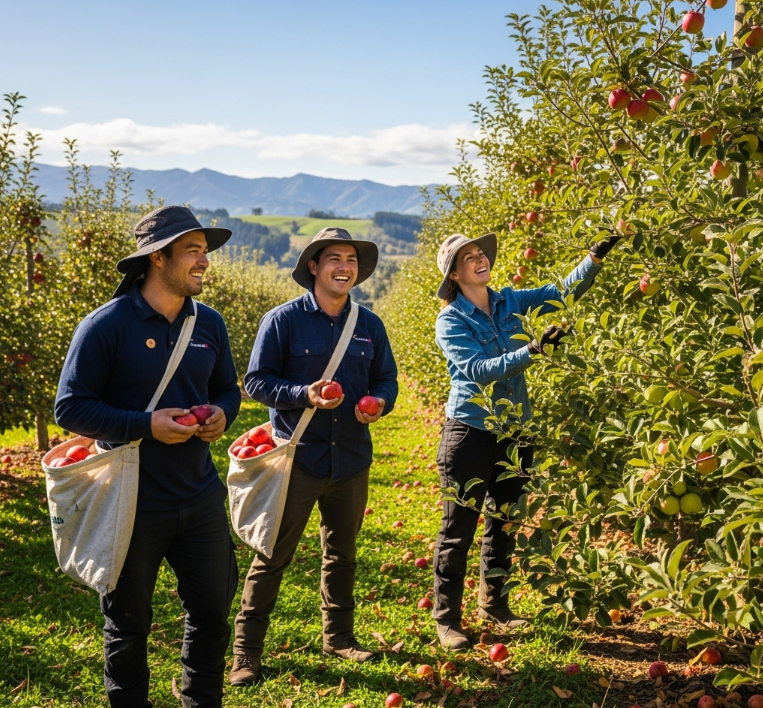
Auckland, NZ – In a move aimed at bolstering crucial sectors facing persistent labour shortages, the New Zealand government has unveiled two new visa categories under the Accredited Employer Work Visa (AEWV) framework. The Global Workforce Seasonal Visa (GWSV) and the Peak Seasonal Visa (PSV), set to launch on December 8, 2025, are designed to streamline the process for employers to recruit short-term workers for industries experiencing seasonal peaks. This development promises to provide much-needed support to sectors such as agriculture, horticulture, and tourism, which heavily rely on temporary staff during specific times of the year.
The Global Workforce Seasonal Visa (GWSV) targets experienced seasonal workers, offering a pathway for individuals with a proven track record in relevant industries. This visa boasts a longer duration of up to three years, allowing employers to retain skilled workers for multiple seasons. A key feature of the GWSV is the requirement for applicants to have completed at least three seasons of relevant work in the past six years, demonstrating their experience and commitment to seasonal employment. To ensure a degree of international mobility, GWSV holders will need to spend a minimum of three months outside of New Zealand each year. Notably, this visa stream does not include a Labour Market Test or an English language proficiency requirement, simplifying the application process for both employers and potential employees with the requisite experience.
Conversely, the Peak Seasonal Visa (PSV) is tailored for entry-level or lower-skilled seasonal roles. This visa has a shorter validity period of up to seven months, aligning with the peak operational demands of many seasonal businesses. Eligibility for the PSV requires applicants to have completed at least one season of relevant work in the past three years. A crucial requirement for PSV holders is the possession of comprehensive health insurance to ensure they can access necessary medical care during their stay in New Zealand. Following the seven-month visa period, individuals on a PSV will be required to take a four-month break outside of New Zealand before they are eligible to apply for another PSV. This measure aims to manage the flow of temporary workers and prevent long-term stays on this particular visa category.
The introduction of the GWSV and PSV reflects the government’s commitment to addressing the specific needs of industries that are intrinsically linked to seasonal cycles. By creating distinct visa pathways for both skilled and entry-level seasonal workers, the aim is to provide employers with more targeted and efficient options for filling temporary roles. Stakeholders in the agriculture and horticulture sectors have expressed optimism that these new visas will alleviate some of the persistent labour pressures they have faced in recent years, ensuring they can meet production demands and contribute effectively to the New Zealand economy. Similarly, the tourism industry, often experiencing significant peaks during holiday seasons, anticipates that the PSV will provide a valuable mechanism for recruiting the necessary workforce to cater to increased visitor numbers.
Immigration experts have noted that the success of these new visa categories will depend on effective implementation and clear communication to both employers and potential applicants. While the removal of the Labour Market Test and English language requirements for the GWSV is seen as a positive step in streamlining the process for experienced workers, ensuring robust oversight and compliance will be crucial to maintaining the integrity of the immigration system. The staggered implementation, with the visas becoming available in late 2025, provides a window for businesses and government agencies to prepare for the changes and ensure a smooth transition to the new framework. The “Lions Roar News” will continue to provide updates and analysis on the impact of these new seasonal visa options as they are rolled out.