Charges for Conservation: Government Introduces Foreign Visitor Fees at DOC Sites
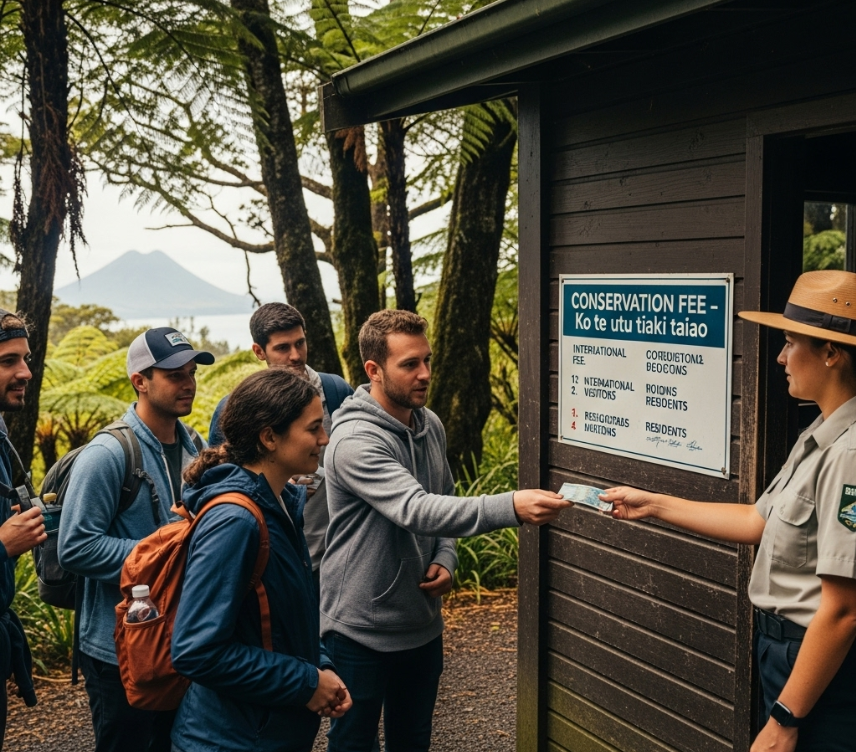
WELLINGTON — In a move set to reshape the funding landscape for New Zealand’s natural treasures, the government has announced a new charging scheme for international visitors accessing a selection of popular Department of Conservation (DOC) sites. Conservation Minister Tama Potaka estimates the initiative will generate up to $62 million in annual revenue, which will be directly reinvested into the maintenance and protection of the very areas from which it is collected.
The proposal targets high-traffic locations that have long grappled with the pressures of mass tourism, from track degradation to strain on facilities. The charges are intended to create a more sustainable model for conservation, shifting some of the financial burden from the New Zealand taxpayer to the international tourists who benefit most from the country’s unique landscapes. The specifics of which sites will be affected and the exact fee structure are still being finalised, but the government has indicated a focus on iconic destinations that draw a significant number of overseas visitors.
While the government has framed the policy as a win for conservation, not everyone is convinced. Critics, particularly in the tourism sector, express concerns that the new fees could deter visitors and damage New Zealand’s “100% Pure” brand identity, which has historically promoted free access to the country’s wilderness. There are also questions about the implementation and enforcement of the charges, especially in remote areas, and whether the revenue will genuinely be ring-fenced for conservation work or absorbed into a broader departmental budget.
The debate also touches on the principle of accessibility to public lands. Some argue that charging for access, even to foreigners, sets a dangerous precedent that could eventually lead to fees for New Zealanders. The government has been quick to dismiss these fears, assuring the public that the new charges are strictly for international visitors and that a two-tiered system will be implemented to ensure continued free access for citizens and permanent residents.
As the policy takes shape, its success will hinge on the government’s ability to demonstrate a tangible improvement in the conservation estate. A clear and transparent system for how the revenue is spent, coupled with a seamless experience for visitors, will be key to winning over a skeptical public and a wary tourism industry. The hope is that the charges will not only provide much-needed funding but also encourage a more respectful and sustainable approach to enjoying New Zealand’s precious natural environment.