Praja Shakthi’s Promise: Mixed Progress in Sri Lanka’s Rural Poverty Fight
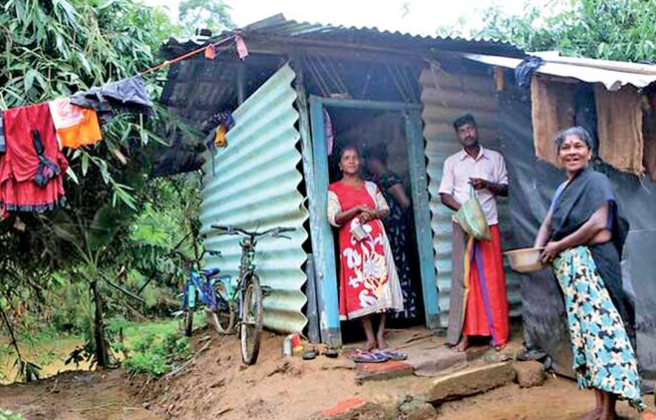
COLOMBO, SL – Sri Lanka’s flagship “Praja Shakthi” national program, launched with the ambitious goal of eradicating rural poverty and uplifting marginalized communities, is showing a complex pattern of progress in its initial months. While early reports indicate positive shifts in certain villages, particularly concerning access to essential services and nascent income-generating opportunities, the program is also grappling with significant challenges, including bureaucratic inefficiencies and a shortfall in comprehensive outreach, leading to an uneven distribution of its benefits.
President Anura Kumara Dissanayake, who spearheaded the initiative, emphasized at its July 4th launch the critical role of grassroots engagement and a unified effort across all levels of government and civil society. The program aims to leverage a new digital platform to connect Sri Lanka’s 14,008 villages, fostering direct citizen participation in local development. Initial successes have been noted in improving clean water access and empowering women through job creation in specific pilot projects, offering a glimpse of the program’s potential.
However, anecdotal evidence and reports from grassroots organizations suggest that the scale of implementation is not yet matching the breadth of the program’s ambition. Many rural communities, especially in remote areas, continue to report limited awareness of the program’s offerings and face hurdles in accessing the promised support. Delays in processing applications for micro-loans, technical assistance, and material support are causing frustration and hindering the rapid uptake of initiatives.
Critics also point to the challenge of a “one-size-fits-all” approach in a nation with diverse socio-economic and geographical needs. While a National Policy Council and an Operations Committee guide the program, local-level committees are still finding their footing, with varying degrees of effectiveness. Ensuring that funds and resources reach the most vulnerable segments of the rural population without leakages remains a significant concern for transparency advocates.
As “Praja Shakthi” moves beyond its initial phase, its long-term success will hinge on the government’s ability to address these operational bottlenecks, strengthen local governance structures, and adapt its strategies to the unique challenges of each rural community. The program represents a vital commitment to social equity, but its transformative potential can only be fully realized through more agile implementation, sustained funding, and a truly inclusive approach that empowers all rural Sri Lankans.