Economic Reforms and IMF Discussions: Sri Lanka’s Critical Path to Stability and Growth
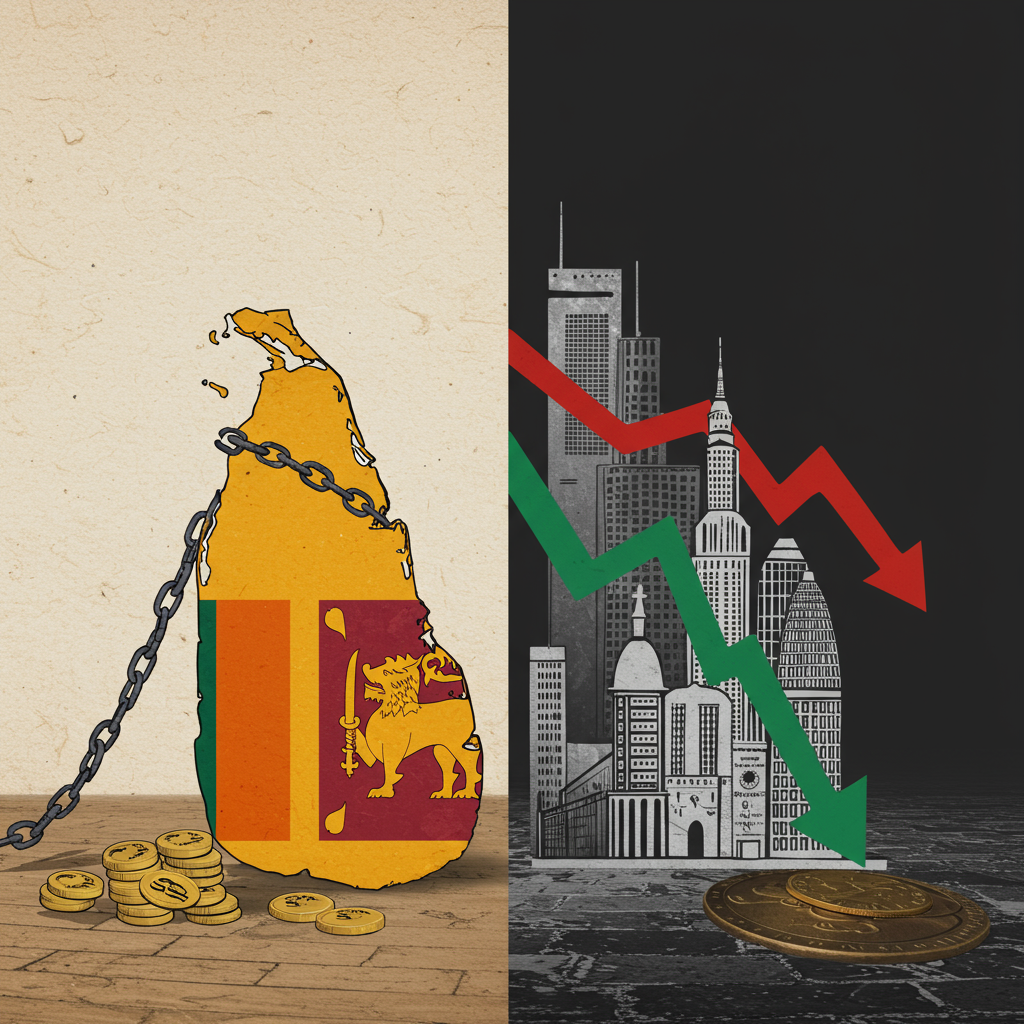
Colombo, Sri Lanka – Sri Lanka continues its critical journey towards economic recovery, with ongoing and intensive discussions with the International Monetary Fund (IMF) at the forefront of national attention. These negotiations are not merely about securing financial assistance but are deeply intertwined with the implementation of a comprehensive reform program designed to stabilize the nation’s economy, restore investor confidence, and lay the groundwork for sustainable growth after its unprecedented financial crisis.
The government is engaging in rigorous dialogue regarding the agreed-upon reform agenda, which encompasses several key pillars. Fiscal consolidation remains a top priority, involving measures to increase government revenue and rationalize public expenditure to reduce the budget deficit. Crucially, there is a strong focus on restructuring state-owned enterprises (SOEs) to improve their efficiency and reduce their drain on public finances. Furthermore, significant attention is being paid to enhancing transparency and governance across all sectors, aiming to combat corruption and foster a more predictable economic environment.
These reforms are essential for unlocking further tranches of the IMF’s Extended Fund Facility (EFF), which provides vital foreign exchange liquidity to the nation. Beyond the IMF, successful implementation of these measures is also pivotal for securing crucial debt restructuring agreements with both bilateral creditors, such as China, India, and Japan, and private commercial creditors. Without these agreements, Sri Lanka’s path to long-term debt sustainability remains precarious, hindering its ability to access international capital markets.
While the reforms are designed to bring about much-needed economic stability and foster sustainable growth, they also present significant challenges for the government and the populace. Many of the proposed changes, such as increased taxes, utility price adjustments, and SOE reforms, have direct impacts on citizens and businesses, leading to social and economic adjustments. The need for broad public support and careful management of these social impacts is paramount to ensure the reforms are implemented effectively and do not lead to further instability.
The outcome of these ongoing discussions and the diligent implementation of the reform program are widely seen as pivotal for Sri Lanka’s long-term economic stability and its ability to attract foreign direct investment. International observers and potential investors are closely watching the progress, as a successful turnaround in Sri Lanka could serve as a model for other developing nations facing similar economic headwinds. The government’s commitment to these reforms, despite the domestic pressures, will determine the speed and sustainability of its journey back to prosperity.