Government’s New Climate Change Initiatives: A Green Leap Forward or a Costly Burden?
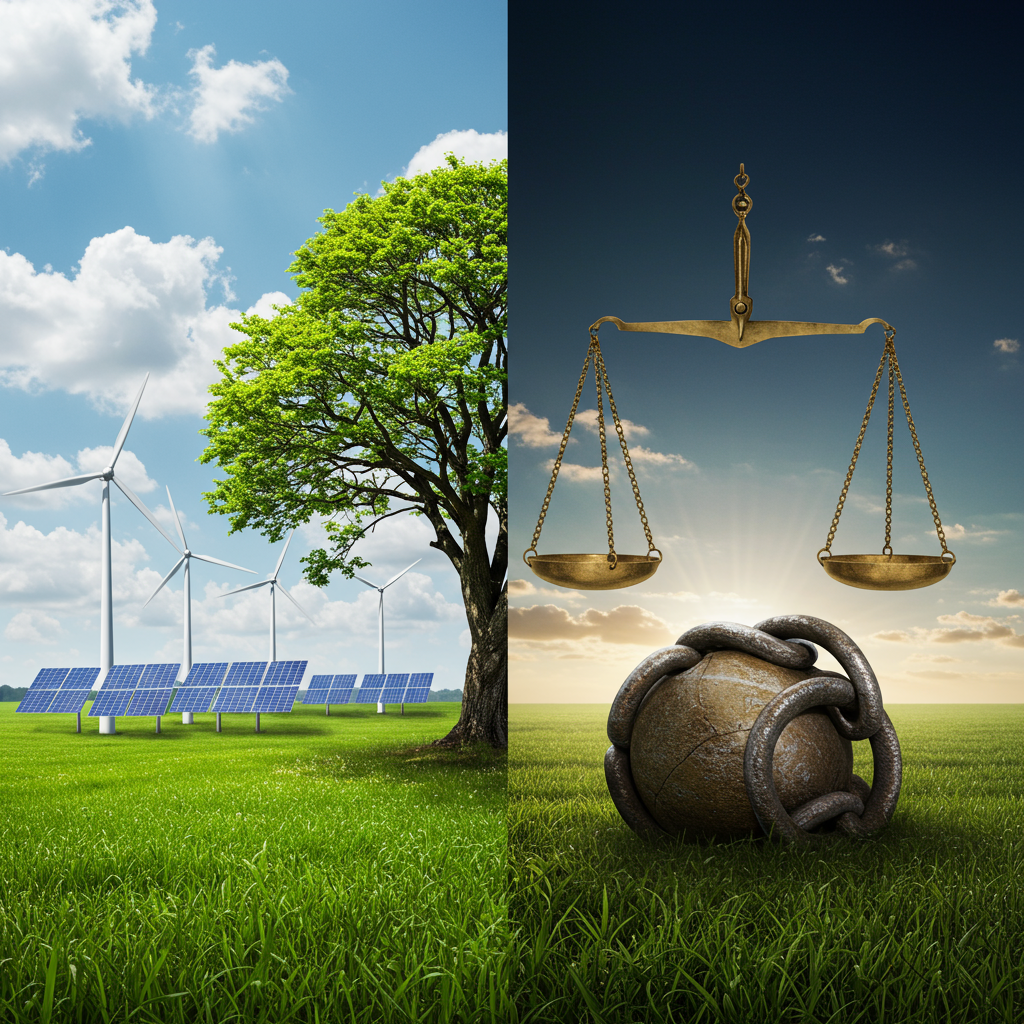
Wellington, New Zealand – The New Zealand government is preparing to unveil its most ambitious package of climate change initiatives to date, signaling a heightened commitment to environmental sustainability and a significant acceleration of the country’s transition to a low-carbon economy. This comprehensive suite of new policies is expected to touch various sectors, from energy production and industrial processes to agriculture and transportation, aiming to put New Zealand firmly on track to meet its international climate commitments.
Details emerging from parliamentary briefings and leaked documents suggest the new policies will encompass a range of measures. These include substantial increased investment in large-scale renewable energy infrastructure projects, such as new wind farms and geothermal plants, designed to boost the country’s clean energy supply. Furthermore, tighter regulations on industrial emissions are anticipated, potentially involving new carbon pricing mechanisms or stricter emission standards for heavy industry. Incentives and support programs for farmers to adopt more sustainable agricultural practices, particularly in methane reduction, are also expected to be a key component.
The announcement is anticipated to generate considerable discussion and debate across political and economic spheres. Proponents, including environmental advocacy groups and climate scientists, argue that these bold steps are not just essential for meeting New Zealand’s obligations under the Paris Agreement but are also crucial for securing a sustainable and prosperous future for the nation. They emphasize the long-term benefits of reduced climate risk, improved public health, and the potential for New Zealand to become a global leader in green innovation.
Conversely, some industry groups, particularly those in energy-intensive sectors and traditional agriculture, along with opposition parties, have raised significant concerns. Their worries primarily revolve around the potential economic impact, including increased operational costs for businesses, potential job losses in transitioning industries, and the overall burden on taxpayers. Questions about the feasibility of rapid implementation and the capacity of existing infrastructure to adapt to such sweeping changes have also been voiced, calling for a more phased and consultative approach.
Despite the anticipated pushback, the government maintains that the long-term benefits of a greener economy will far outweigh any initial challenges. Ministers have indicated a commitment to providing support and pathways for affected industries and workers, emphasizing that the transition will also unlock new economic opportunities in green technologies and sustainable exports. This proactive stance aims to position New Zealand not just as a follower but as a genuine leader in global climate action, demonstrating a tangible commitment to a more sustainable planet.