Global Trade Tensions Escalate as US Imposes New Tariffs
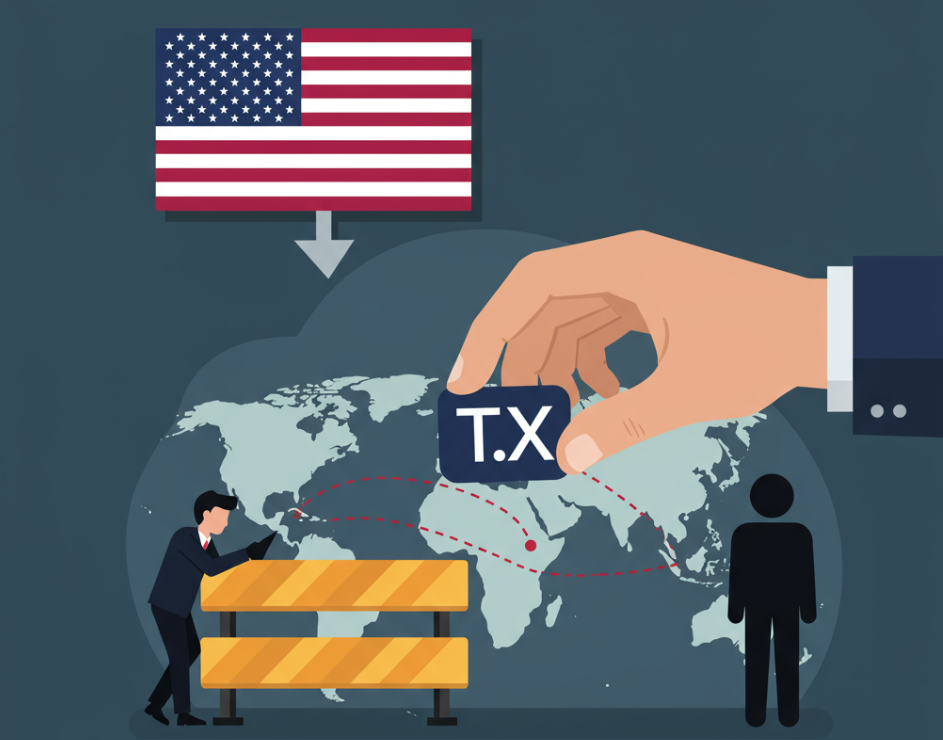
Washington D.C., USA – Global trade relations are under increasing strain as US President Donald Trump implements new tariffs, including duties of up to 40% on several countries and specifically 25% on imports from Japan and South Korea. These measures, justified by the US as a response to persistent trade deficits and perceived unfair trade practices, are sparking widespread concern and discussions about potential retaliatory actions from affected nations.
The imposition of these tariffs marks a significant escalation in global trade tensions, with economists and international trade organizations warning of potential disruptions to supply chains, increased consumer costs, and a slowdown in global economic growth. The move is part of the Trump administration’s “America First” trade agenda, which prioritizes domestic industries and aims to rebalance trade relationships.
Japan and South Korea, key US allies, are particularly impacted by the new 25% tariffs. This decision has been met with disappointment and calls for dialogue from both nations, which rely heavily on exports to the US market. The tariffs could force companies to re-evaluate their production strategies and potentially shift manufacturing bases, leading to significant economic adjustments in these countries.
The broader implications of these tariffs extend beyond the directly affected nations. They could trigger a domino effect, prompting other countries to implement their own protectionist measures, leading to a fragmented global trading system. Such a scenario would undermine decades of efforts to foster free and open trade, potentially leading to a period of economic uncertainty and reduced international cooperation.
As the global community watches closely, the coming weeks will be crucial in determining the full impact of these tariffs and whether diplomatic efforts can mitigate the escalating trade war. The ability of major economies to find common ground and de-escalate tensions will be vital for maintaining stability in the international economic order.