Sri Lanka’s Economy Faces Headwinds Amidst US Tariff Threats
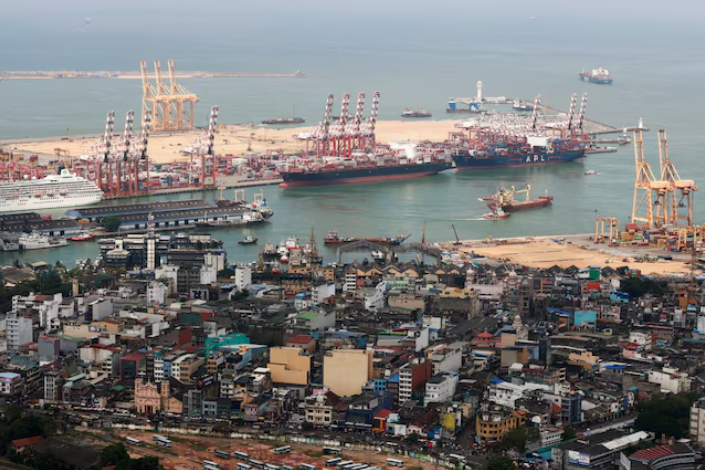
Colombo, Sri Lanka – Sri Lanka’s fragile economic recovery is facing new challenges as the nation grapples with ongoing IMF-backed reforms and the looming threat of significant job losses due to proposed tariffs by US President Donald Trump. The Free Trade Zone Manufacturers’ Association (FTZMA) has issued a stark warning, estimating that up to 50,000 jobs could be at risk in the initial phase if the tariffs are implemented, potentially undermining the country’s competitiveness across South and Southeast Asia.
The proposed US tariffs, part of a broader global trade strategy by the Trump administration, could severely impact Sri Lanka’s export-oriented industries, particularly those operating within its free trade zones. These industries are crucial for foreign exchange earnings and employment, and any disruption could have cascading effects throughout the economy, which is still in the process of stabilizing after recent crises.
The FTZMA’s warning underscores the vulnerability of Sri Lankan industries to external trade policies. Manufacturers are concerned that increased tariffs will make their products less competitive in the crucial US market, forcing businesses to scale back operations, leading to layoffs and reduced investment. This situation highlights the delicate balance Sri Lanka must maintain between attracting foreign investment and navigating volatile international trade landscapes.
In parallel, Sri Lanka continues its commitment to the International Monetary Fund (IMF) backed reform program, which aims to stabilize the economy, reduce debt, and foster sustainable growth. While these reforms are essential for long-term stability, the potential impact of US tariffs adds another layer of complexity, making the path to full recovery even more challenging. The government is likely to engage in diplomatic efforts to mitigate the impact of these proposed tariffs.
The coming months will be critical for Sri Lanka as it seeks to protect its economic interests amidst global trade tensions. The ability to adapt to these external pressures while continuing with domestic reforms will determine the pace and resilience of the country’s economic rebound, impacting the livelihoods of thousands of Sri Lankan citizens.