New Zealand Grapples with Housing Affordability and Infrastructure Development
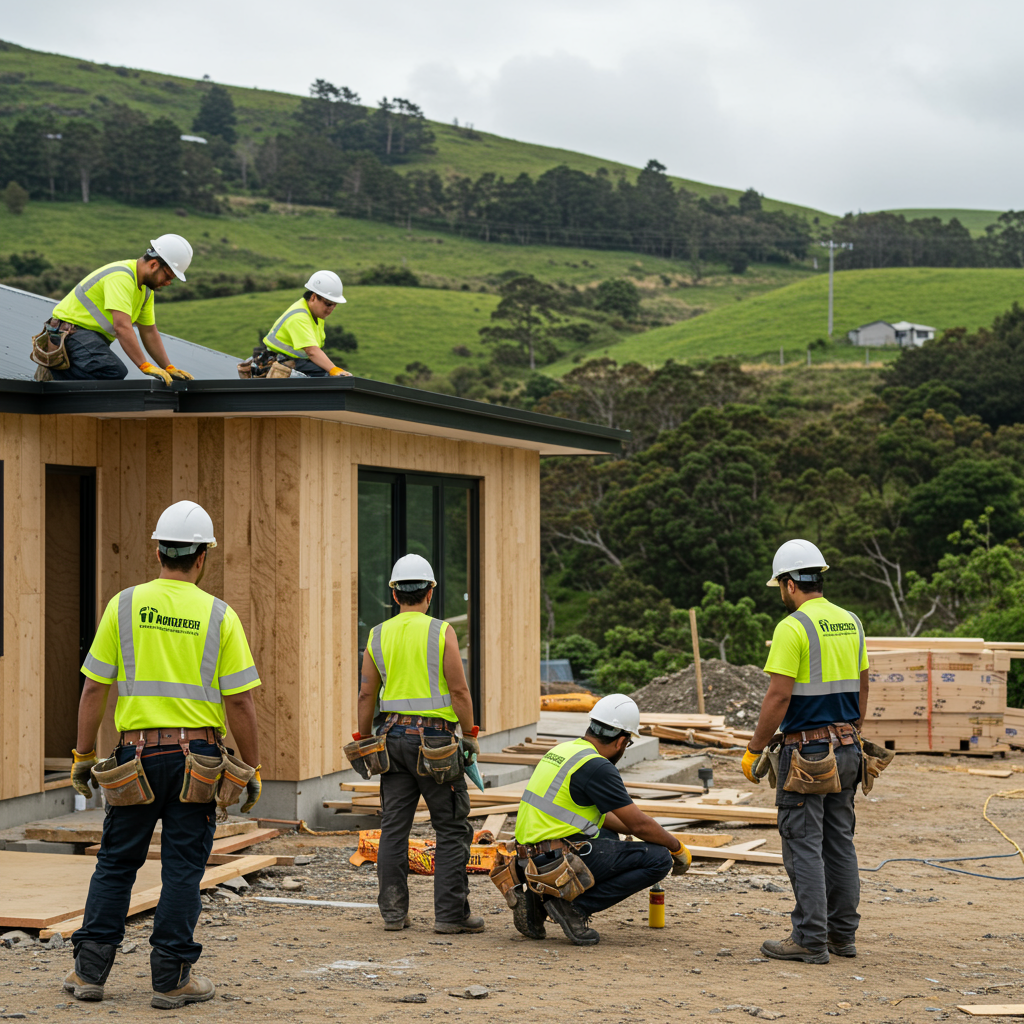
Auckland, New Zealand – New Zealand continues to navigate complex challenges in its housing market and infrastructure development, with ongoing policy discussions and shifts shaping the future landscape. Recent news highlights include proposals for government-capped rates rises, the government’s move to loosen rules for selling homes in trusts, and the withdrawal of rich-listers from the Western Springs Stadium project. These developments underscore the dynamic nature of the country’s economic and urban planning priorities.
The proposal for government-capped rates rises is a significant point of contention, aiming to address the escalating cost of living and property ownership. While proponents argue it could provide much-needed relief to homeowners, critics express concerns about its potential impact on local council funding and the quality of public services. This debate reflects the broader tension between affordability and the need for sustainable local government revenue.
Furthermore, the government’s decision to loosen rules for selling homes in trusts indicates a push to increase housing supply and potentially make it easier for properties held in trusts to enter the market. This policy change is intended to stimulate activity in the housing sector, but its long-term effects on property prices and ownership structures will be closely monitored by economists and housing advocates.
In the realm of infrastructure, the withdrawal of rich-listers from the Western Springs Stadium project signals potential hurdles for large-scale urban development initiatives. Such withdrawals can lead to delays, necessitate alternative funding models, or even result in the abandonment of projects, impacting urban planning and the provision of public amenities. This particular development highlights the complexities of public-private partnerships in major infrastructure endeavors.
These ongoing discussions and policy adjustments reflect New Zealand’s concerted effort to balance economic growth with social equity and environmental sustainability. The outcomes of these debates will have far-reaching implications for the daily lives of New Zealanders, influencing everything from housing accessibility to the quality of public spaces and services.