New Era for NZ Science: Crown Research Institutes Merge in Historic Overhaul
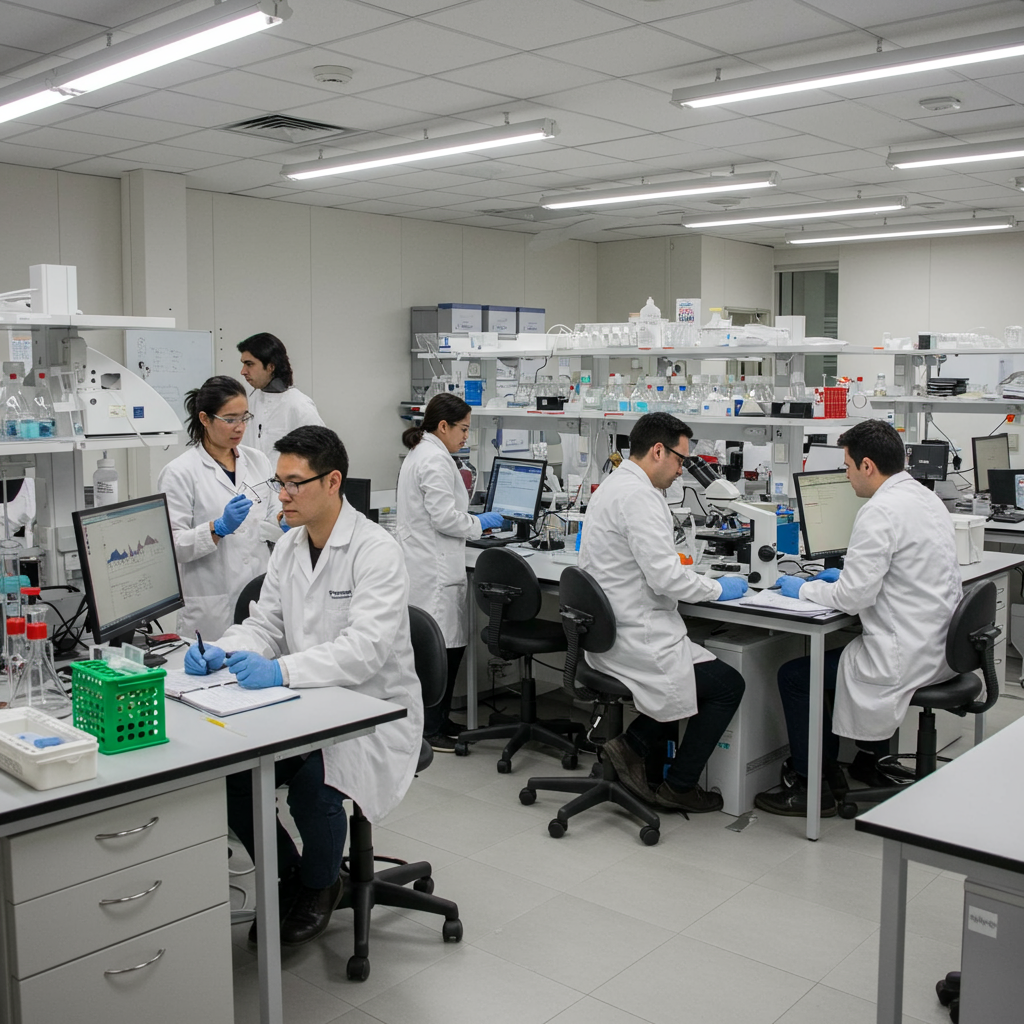
WELLINGTON, NZ – July 1, 2025 – New Zealand’s scientific landscape is undergoing its most significant transformation in three decades, as six Crown Research Institutes (CRIs) officially merge into new Public Research Organisations (PROs). Heralded as a “new era for science,” this ambitious overhaul aims to streamline research efforts, foster greater collaboration, and deliver more impactful solutions to the nation’s pressing challenges, with promises ranging from enhanced climate forecasting to breakthroughs in critical sectors.
The sweeping restructuring sees the consolidation of some of the country’s most vital scientific bodies. While specific details of the new PRO structures are still emerging, the move is designed to break down existing silos between CRIs, which have traditionally operated with distinct mandates. The government’s vision is to create more integrated, mission-led entities capable of tackling complex, interdisciplinary issues more effectively.
Scientists across the country are expressing cautious optimism about the changes. “There’s a palpable sense of hope within the scientific community,” remarked Dr. Anya Sharma, a senior climate researcher based in Wellington. “This is the biggest shake-up we’ve seen in 30 years, and the potential for more cohesive, impactful research is immense.”
Among the anticipated benefits, the prospect of a “supercharged weather forecaster” has captured particular attention. By integrating meteorological and climate research capabilities from various former CRIs, it is expected that New Zealand will develop more sophisticated and accurate weather and climate prediction models. This would have far-reaching implications for sectors like agriculture, disaster preparedness, and infrastructure planning, providing crucial foresight in a country highly susceptible to natural phenomena.
Beyond enhanced forecasting, the PRO model is expected to:
- Boost Innovation: By fostering cross-disciplinary collaboration, the mergers aim to accelerate the translation of fundamental research into practical applications and commercial opportunities.
- Address National Priorities: The new structure is designed to align scientific efforts more closely with key national priorities, including climate change adaptation, biodiversity protection, sustainable land use, and health outcomes.
- Improve Efficiency: Consolidating administrative functions and resources is expected to free up more funding and personnel for frontline research, reducing duplication and increasing operational efficiency.
- Attract Talent: A more cohesive and strategically focused science sector could enhance New Zealand’s appeal to top international researchers, while also providing clearer career pathways for local scientific talent.
The government has emphasised that this restructuring is not merely an administrative exercise but a fundamental re-imagining of how science serves Aotearoa. The goal is to ensure that New Zealand’s research capabilities are agile, responsive, and globally competitive, capable of delivering tangible benefits for all New Zealanders.
While the transition period will undoubtedly present challenges, the scientific community remains largely hopeful that this historic overhaul will indeed usher in a dynamic new era, propelling New Zealand’s research and innovation to unprecedented heights.