New Venomous Spider with ‘Sinister Bite’ Establishes Itself in New Zealand
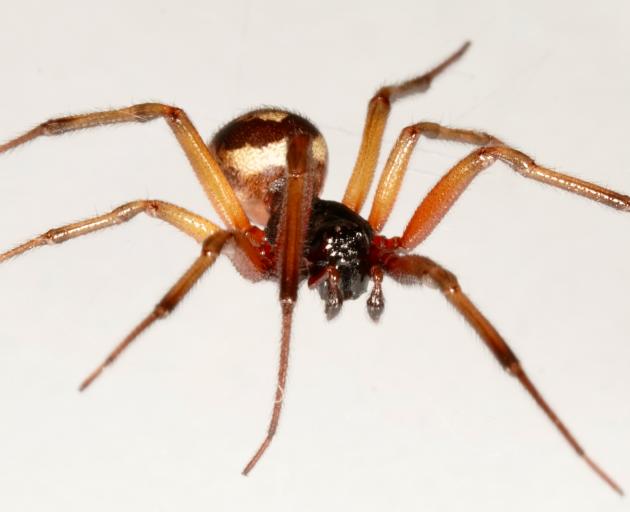
AUCKLAND, NZ – July 1, 2025 – New Zealanders are being urged to exercise caution as scientists confirm the official establishment of a venomous spider with a “potentially sinister bite” across multiple regions of the country. The presence of this arachnid, whose venom could lead to serious antibiotic-resistant infections, marks a new concern for public health and environmental authorities.
While the specific species of the newly established spider has not been publicly identified, experts from leading scientific institutions have issued a clear warning about its spread. The primary concern stems from the nature of its venom, which scientists indicate may cause infections resistant to conventional antibiotic treatments. This characteristic sets it apart from other known venomous spiders in New Zealand, such as the native katipō, and presents a unique challenge for medical professionals.
The spider has reportedly established itself in various regions across the country, suggesting a successful adaptation to New Zealand’s climate and ecosystems. The exact pathways of its introduction and spread are still under investigation, but such establishments often occur through accidental transport via international cargo or travel.
Authorities are advising the public to be vigilant, particularly when working in gardens, outdoor areas, or in places where spiders might typically reside. While the immediate threat level has not been elevated to a national emergency, the potential for serious health complications from its bite necessitates public awareness and preventative measures.
“We are closely monitoring the situation and working to understand the full extent of its presence and potential impact,” stated a spokesperson for a leading environmental research institute. “The key message for the public is awareness and caution. If you suspect you have been bitten by an unusual spider, or if a spider bite shows signs of infection, especially if it worsens or does not respond to initial treatment, seek medical attention immediately and inform them of the suspected spider bite.”
Further information regarding identification, preventative measures, and steps to take in case of a bite is expected to be released by health and environmental agencies as their assessments continue. The establishment of this new venomous species underscores the ongoing need for robust biosecurity measures at New Zealand’s borders to protect its unique biodiversity and public health.