Alarm Raised Over Transparency and Security at Sri Lanka’s Chemmani Mass Grave Site
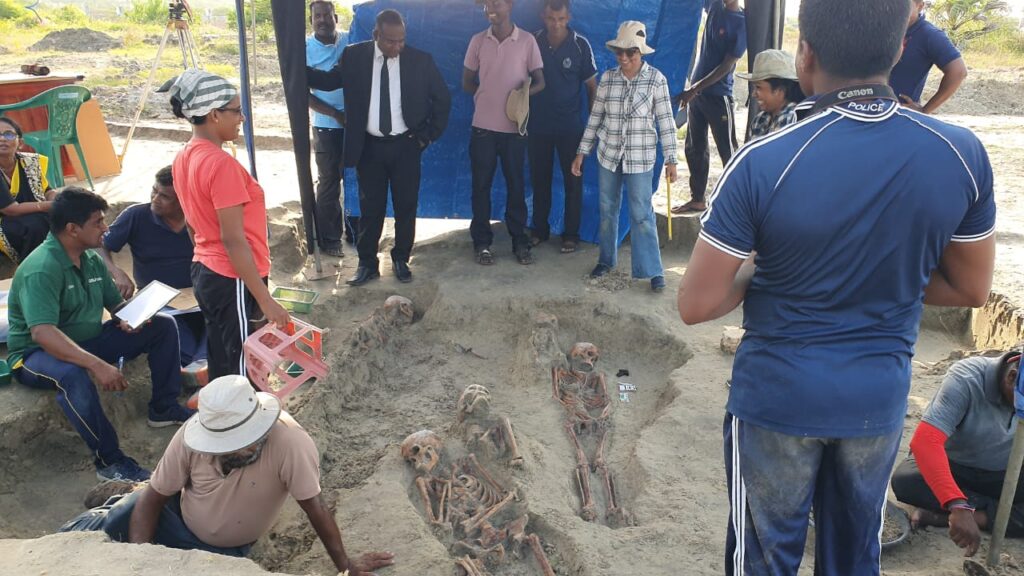
JAFFNA, Sri Lanka – July 1, 2025 – The ongoing exhumation of human remains at the Chemmani mass grave site in Jaffna has ignited serious concerns regarding its transparency and security, with Member of Parliament Shanakiyan Rasamanickam publicly questioning the handling of this deeply sensitive investigation.1 The site, which has a grim history tied to disappearances during Sri Lanka’s civil war, is once again at the forefront of calls for accountability and justice for victims and their families.2
The Chemmani mass graves first gained international attention in 1998 when a Sri Lankan soldier, on trial for the rape and murder of a Tamil schoolgirl, alleged that hundreds of disappeared individuals were buried in the area after the military regained control of Jaffna in 1995-1996. Subsequent excavations in 1999, observed by international bodies, uncovered 15 bodies, with two identified as men who had disappeared.3 The recent discovery of new remains, including those of infants, has reopened old wounds and intensified calls for a robust, transparent investigation. So far, 33 skeletal remains have reportedly been exhumed from the site.
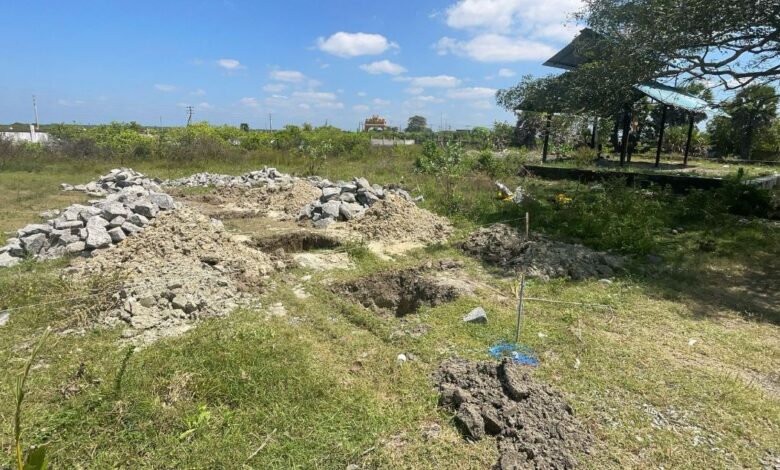
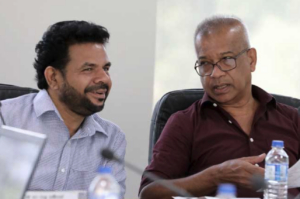
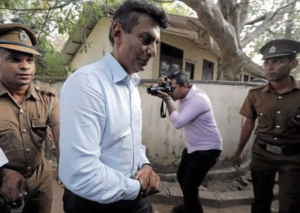
MP Rasamanickam, speaking to the media, highlighted several critical discrepancies in the management of the Chemmani site compared to previous mass grave exhumations, such as the one in Kokkuththoduvai. His primary concerns revolve around:
- Inadequate Protection of Remains: Rasamanickam pointed out that the Chemmani site currently has only a basic shelter providing shade, a stark contrast to the more robust, temporary structures erected at Kokkuththoduvai to shield remains from direct rainfall and water runoff. “This negligence risks compromising the integrity of the evidence,” he warned, stressing the potential for further deterioration of the delicate skeletal remains.
- Limited Media Access: Despite the Office on Missing Persons (OMP) stating that journalists are permitted access twice daily, media personnel are reportedly allowed only five minutes at 4:30 PM each day at Chemmani. This significantly restricts proper documentation and public oversight, especially compared to Kokkuththoduvai, where journalists had access three times a day. “Given the growing number of journalists covering the site, more time is clearly needed for proper documentation,” Rasamanickam asserted.
- Insufficient Security Measures: The security at the Chemmani site is reportedly managed by a combination of police officers and local cemetery workers. Rasamanickam questioned whether this arrangement is sufficient to maintain public trust and adequately protect the integrity of the site and its sensitive evidence. He argued that “enough protection is not being given to this site and this will cause further issues due to poor security and might affect public trust in the integrity of the process.”4
- Absence of CCTV Surveillance: Unlike Kokkuththoduvai, where CCTV cameras were installed due to its remote location, Chemmani currently lacks such surveillance.5 While officials may claim the site’s accessibility reduces the need, Rasamanickam emphasized that “the presence of fully operational CCTV surveillance at Chemmani would enhance transparency and help maintain public confidence.”6
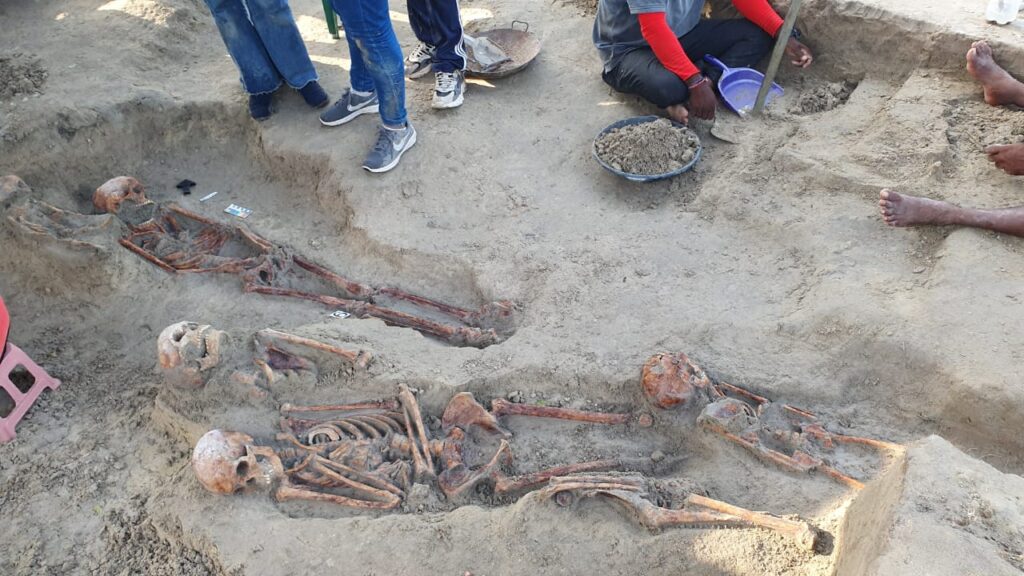
These concerns are not new to mass grave investigations in Sri Lanka, where a long history of stalled inquiries, alleged political interference, and a lack of accountability has eroded public trust, particularly among Tamil families of the disappeared.7 Human rights organizations and legal teams have consistently called for international oversight and expertise in such exhumations to ensure impartiality and adherence to international forensic standards.
The United Nations High Commissioner for Human Rights, Volker Türk, recently visited the Chemmani site, describing it as “very emotional” and reiterating the urgent need for “thorough investigations, robust investigations, by independent experts with forensic expertise” to uncover the truth and bring closure to grieving families.8
As excavations continue, the calls for enhanced transparency, robust security, and possibly international involvement are growing louder, aiming to ensure that the findings at Chemmani contribute genuinely to justice and reconciliation, rather than becoming another chapter in a history of unresolved disappearances. The families of the disappeared, many of whom have been protesting for decades, view these excavations as a crucial, albeit painful, step towards understanding the fate of their loved ones.