Fragile Ceasefire Holds Amidst Accusations in Iran-Israel Conflict
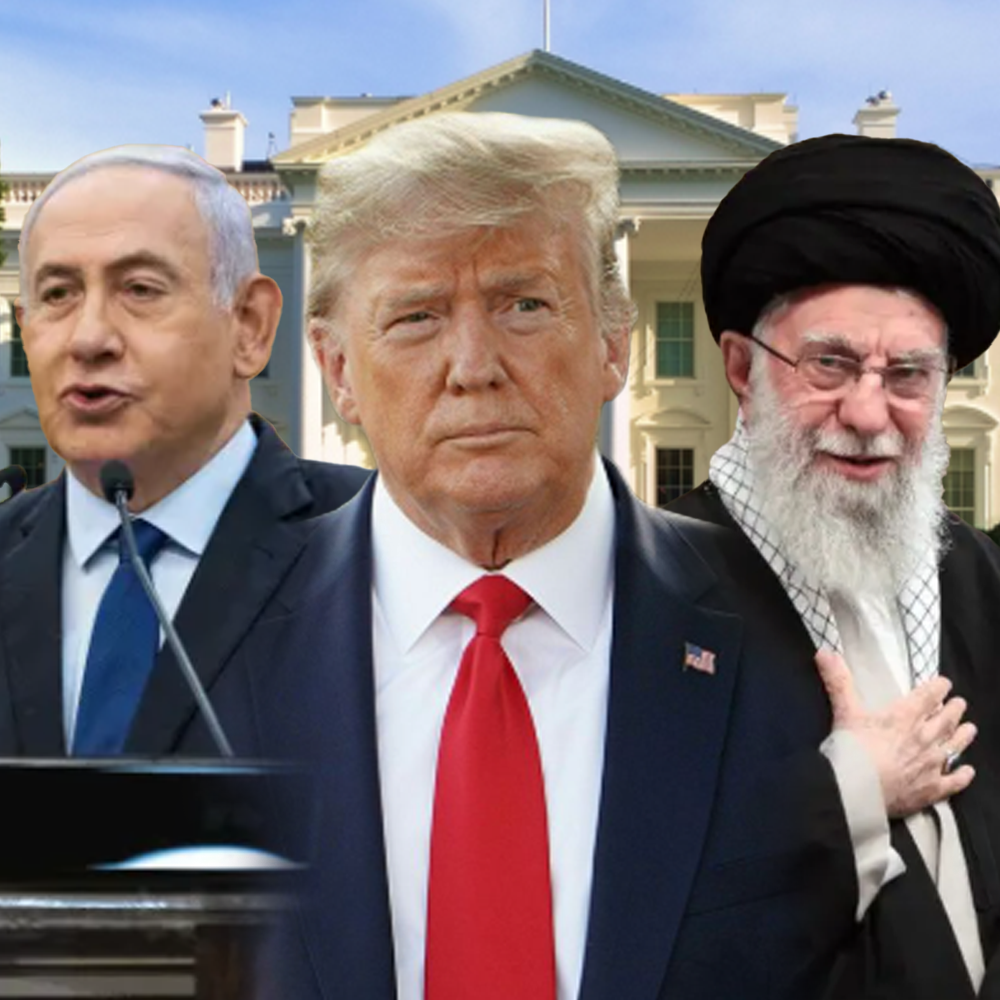
WELLINGTON, New Zealand – A “complete and total ceasefire” between Iran and Israel, announced by U.S. President Donald Trump, appears to be holding as of June 25, 2025, though it was met with immediate accusations of violations from both sides. The cessation of hostilities follows a tumultuous “12-day war” marked by missile exchanges, targeted strikes, and significant regional tension.
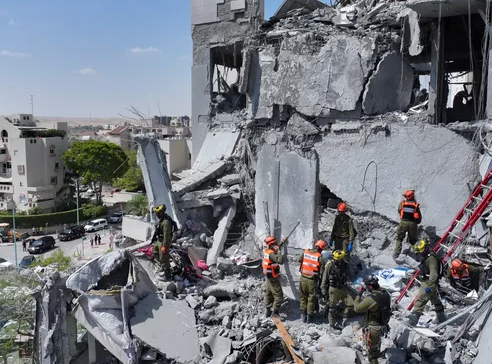
The ceasefire, which was set to be phased in with Iran halting attacks first and Israel following hours later, came into effect after a period of intense military activity. Reports indicated that Iran continued missile barrages up until its deadline, while Israel conducted heavy strikes on Iranian cities, including nuclear facilities, shortly before its own ceasefire implementation time.
Despite the declared truce, immediate breaches were reported. Israel accused Iran of launching missiles into its territory, including one impacting Beersheba, causing casualties. In response, Israel stated it conducted a final round of strikes. Conversely, the White House acknowledged that both parties appeared to violate the initial agreement, with President Trump expressing frustration and urging both nations to adhere to the ceasefire.
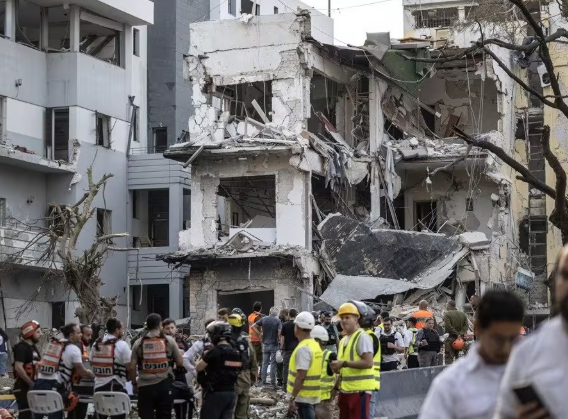
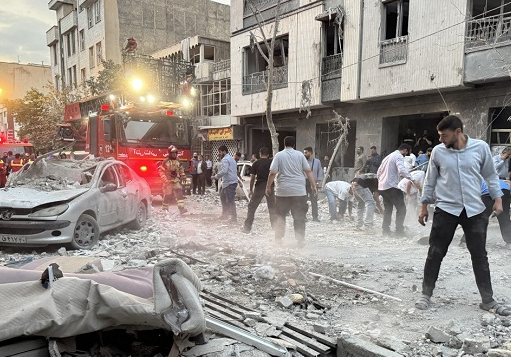
The recent conflict saw significant casualties on both sides. Iran’s Red Crescent Society reported at least 610 people, including 13 children, were killed in Israeli strikes since June 13. In Israel, at least 28 people were killed in Iranian strikes. Key infrastructure was impacted, with Iranian missiles reportedly causing serious damage in central and southern Israel, and Israeli forces targeting various sites across Iran, including the Arak heavy-water reactor and other nuclear facilities.
Assessments on the effectiveness of strikes on Iran’s nuclear program vary. While President Trump and Israeli Prime Minister Benjamin Netanyahu claimed significant success in degrading Iran’s nuclear capabilities, early U.S. intelligence reports suggest the program may have only been set back by months, not “completely and fully obliterated.”
Globally, leaders have called for de-escalation and diplomacy. The conflict led to temporary closures and rerouting of flights in regional airspace, affecting major hubs. As the fragile peace holds, the international community remains vigilant, urging sustained efforts to prevent further escalation in the volatile Middle East.