Middle East on Brink – Escalation and Global Ripples as Iran and Israel Clash
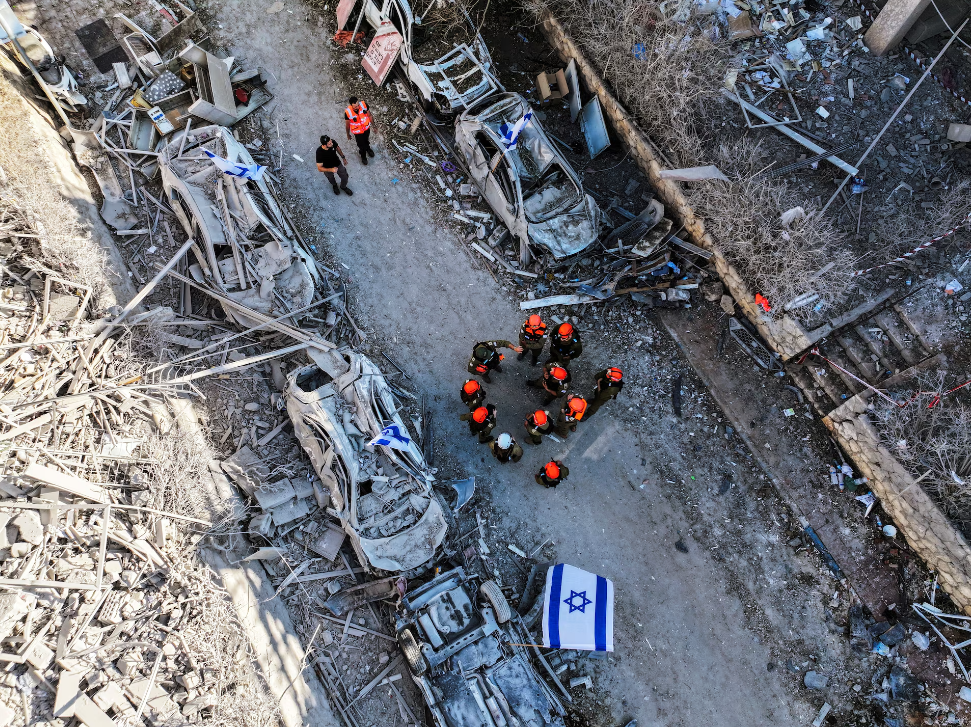
Auckland, New Zealand – Image Credit: REUTERS. The simmering tensions between Iran and Israel have boiled over into direct military confrontations, casting a long shadow of instability across the Middle East and sending tremors through global markets. As of late June 2025, the tit-for-tat exchanges have escalated, prompting international alarm and a complex diplomatic and military response from the United States.
The Latest Frontline: Direct Strikes and Mounting Casualties
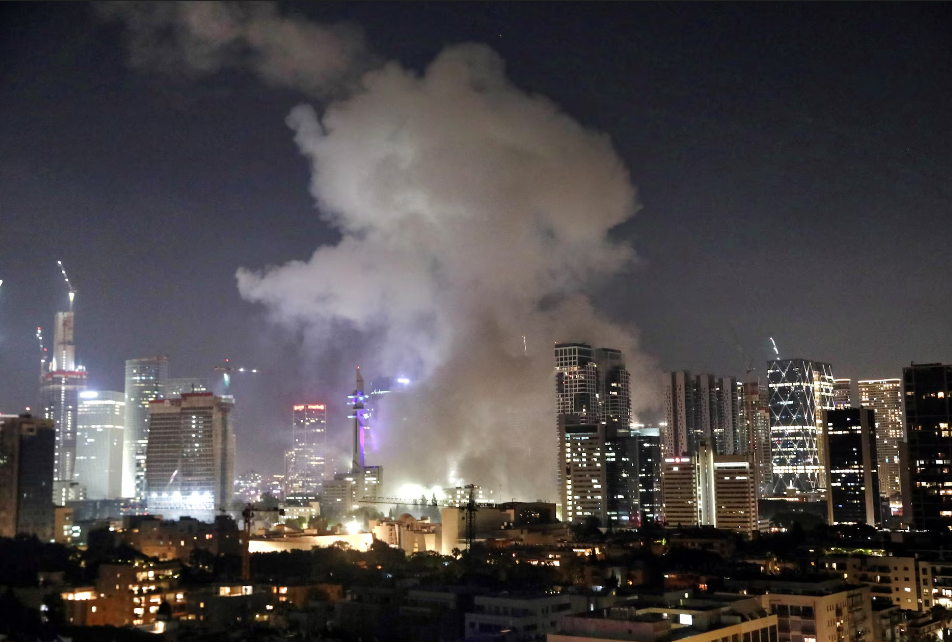
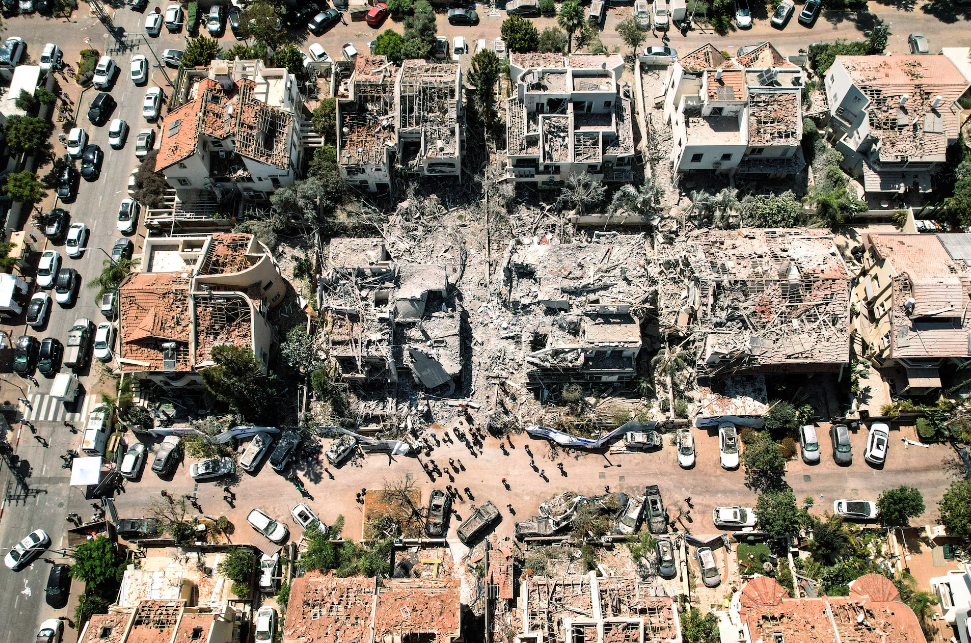
The past week has seen a dangerous escalation from proxy conflicts to direct state-on-state assaults. Israel has reportedly intensified its strikes on Iranian nuclear and military facilities, including the Arak heavy water reactor. In retaliation, Iran has launched dozens of ballistic missiles towards Israeli sites, impacting areas including Tel Aviv and Beersheba, and causing significant damage to four sites in central and southern Israel, including a hospital. Tragically, both sides have reported casualties, with over 240 deaths, including women and children, in Iran due to Israeli attacks, and at least 24 killed in Iranian strikes on Israel. The intensifying conflict has even led several major U.S. airlines to suspend flights to the Middle East, reflecting growing safety concerns.
America’s Tightrope Walk: Ally, Intervenor, or Peacemaker?
The United States finds itself on a precarious tightrope, balancing its unwavering support for Israel with efforts to de-escalate a rapidly intensifying conflict that threatens wider regional war. President Donald Trump has made strong, often ambiguous, statements regarding potential U.S. military intervention, indicating he will decide within two weeks whether the U.S. will directly join Israel’s bombing campaign against Iran. While simultaneously demanding “unconditional surrender” from Tehran and threatening severe consequences should U.S. interests be targeted, Trump has also alluded to the possibility of diplomatic solutions.
America’s role thus far has primarily involved providing robust defensive support to Israel. This includes deploying and operating advanced anti-missile technologies like Patriot and Terminal High Altitude Air Defense (THAAD) systems, which have successfully intercepted incoming Iranian ballistic missiles. U.S. Navy destroyers in the eastern Mediterranean have also engaged and shot down Iranian missiles. Furthermore, the U.S. has strategically repositioned significant military assets, including warplanes, warships, and aircraft carriers, to the region to protect Israeli and American personnel and installations. While there has been discussion about the potential transfer of powerful “Massive Ordnance Penetrator” bombs to Israel for attacking deeply buried targets, reports confirm these have not yet been provided. The U.S. also offers intelligence and ongoing financial and military aid, maintaining its long-standing alliance.
Regional Tremors and Global Ripples: Economic and Geopolitical Fallout
The direct confrontation between Iran and Israel carries immense regional risks. It signals a dangerous shift from long-standing proxy engagements, potentially destabilizing the entire Middle East. Neighbouring countries and regions, like Central Asia, face heightened risks of economic disruptions, increased migration pressures, and a surge in extremist activities. The conflict also provides opportunities for external powers like Russia and China to increase their influence.
Economically, the conflict has already sent shockwaves globally. Oil prices have leaped by approximately 7%, driven by fears of supply disruptions, particularly through the Strait of Hormuz – a critical chokepoint through which about one-fifth of the world’s oil supply transits daily. Any prolonged disruption there could trigger a global recession. Stock markets worldwide have slumped, with major U.S. indexes seeing significant drops. Investors are flocking to safe-haven assets like gold, driving up its price. Industries heavily reliant on fuel and stable travel, such as cruise operators and airlines, have experienced sharp declines. Both Israel and Iran face immense economic strain from sustained military spending, threatening their long-term fiscal stability and potentially impacting their credit ratings. Global trade corridors, such as the envisioned India-Middle East-Europe Economic Corridor (IMEC), are also facing significant geopolitical risks, casting a shadow over their realization.
A Precarious Future
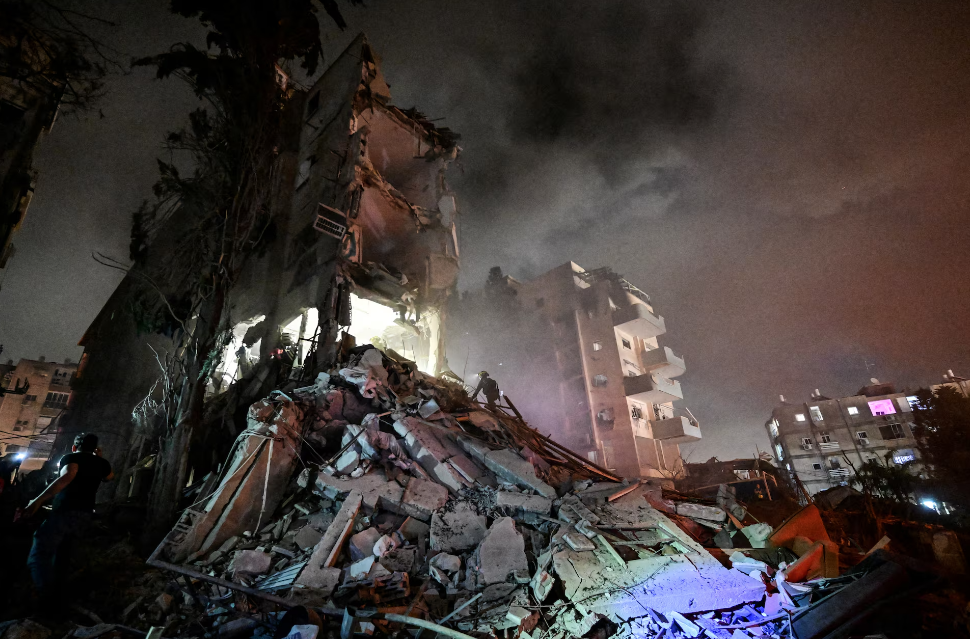
The escalating conflict between Iran and Israel represents a critical juncture for regional and global stability. As Day 4 dawns in the Test match of geopolitics, the world watches anxiously, hoping for de-escalation while preparing for the potentially far-reaching consequences of a deepening confrontation. The actions of the U.S. in the coming days, balancing its alliance with the imperative of regional stability, will be paramount in determining the future trajectory of this dangerous conflict.