NZ Government Unveils KiwiSaver Overhaul and Business Tax Incentives in 2025 Budget
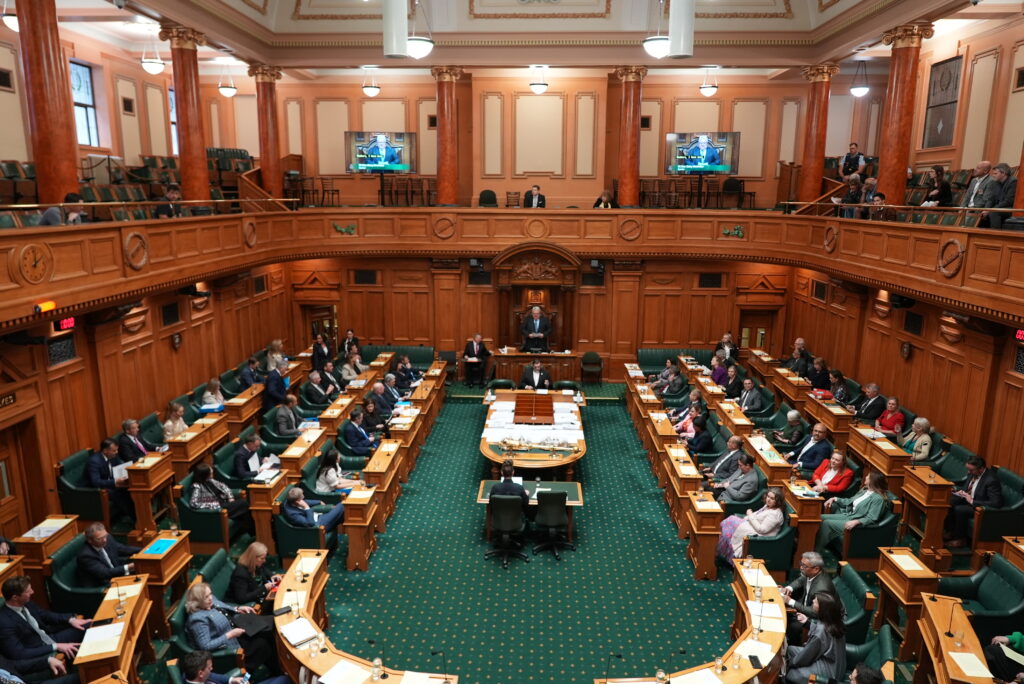
Wellington, New Zealand – The New Zealand government has introduced significant changes to the KiwiSaver retirement savings scheme and unveiled a new tax incentive for businesses as part of its 2025 Budget. These measures aim to encourage greater personal savings and boost economic productivity, though some adjustments to the government’s contribution to KiwiSaver are set to take effect. The budget, described by the government as focused on “growing the economy,” outlines strategic investments alongside a drive for fiscal sustainability.
A key change impacting individual savings comes within KiwiSaver. From July 1, 2025, the government’s annual contribution to eligible members will be halved, decreasing from 50 cents for every dollar contributed to 25 cents, with a new maximum annual credit of $260.72. Furthermore, individuals earning over $180,000 annually will no longer qualify for any government contribution. Despite this reduction, the default employer and employee KiwiSaver contribution rates are slated to rise in stages, from the current 3% to 3.5% from April 1, 2026, and then to 4% from April 1, 2028, encouraging higher overall savings.
In an effort to stimulate business investment, the Budget introduces an “Investment Boost” scheme. Effective from May 22, 2025, businesses can now claim an immediate 20% tax deduction on the cost of new productive assets, such as machinery, tools, equipment, and even new commercial buildings, in addition to standard depreciation. This incentive is designed to improve business cash flow, encourage greater capital expenditure, and ultimately contribute to an anticipated boost in GDP and wage growth over the coming decades.
Beyond KiwiSaver and the Investment Boost, the 2025 Budget also includes targeted spending and cost-saving measures across various sectors. Significant allocations have been made to bolster frontline public services, including over $1 billion for hospital upgrades and expanded access to urgent care, along with substantial investments in education, law and order, and defense. The government aims to reduce core Crown expenses and return the operating balance to surplus, signalling a commitment to responsible fiscal management.

While the government champions these changes as a pathway to a stronger economy and improved living standards, the KiwiSaver adjustments are expected to prompt many New Zealanders to reassess their retirement savings strategies. The dual approach of reduced government contributions coupled with increased mandatory individual and employer contributions underscores a shift towards greater personal responsibility for long-term financial security, while the business incentives seek to lay a foundation for future economic prosperity.